International Summercamp. Irregular Circularities

International Summercamp. Irregular Circularities

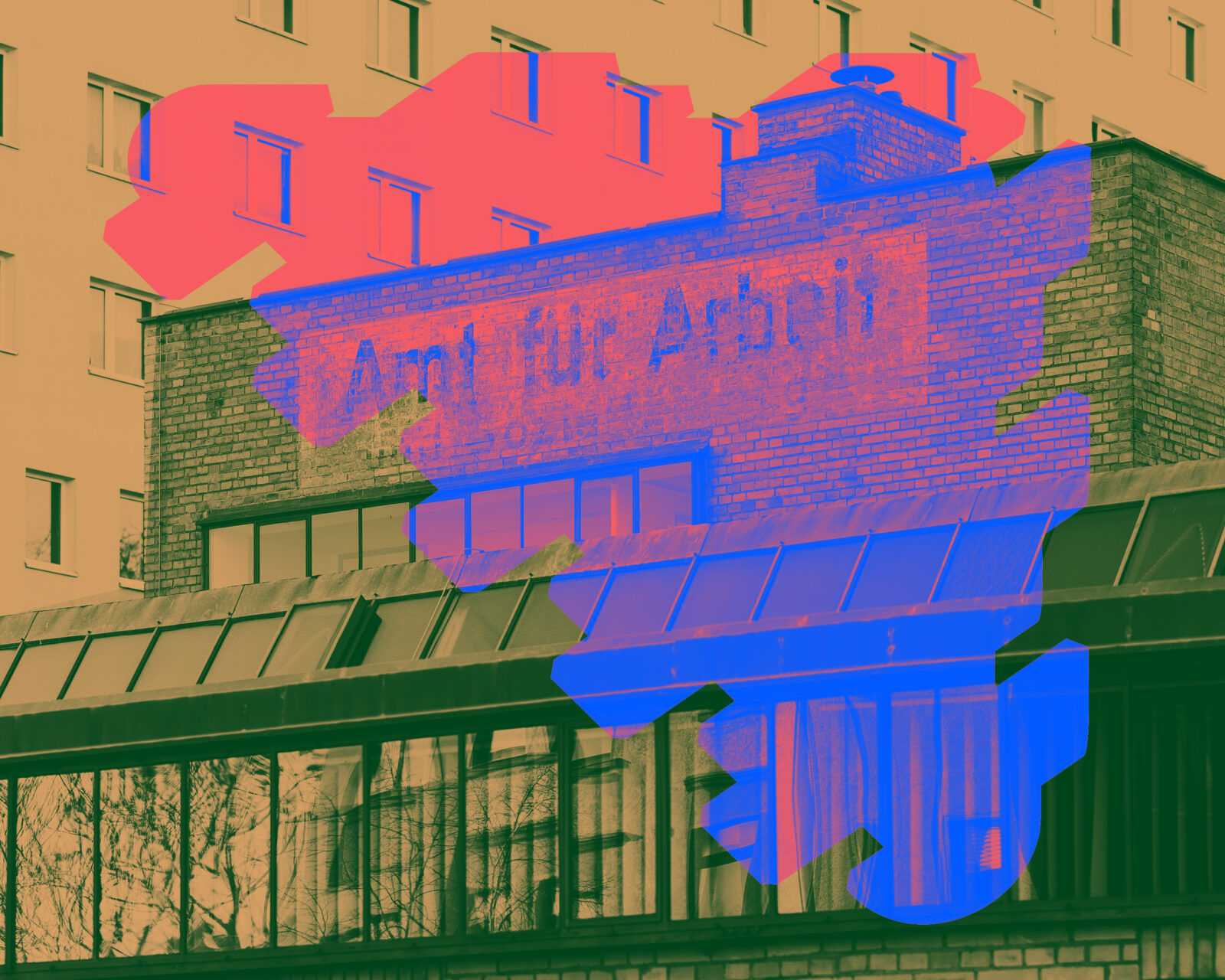
Material cycles and ecosystems: the ZEKIWA Zeitz real-world laboratory makes a guest appearance in Dessau for its International Summercamp. Part of the New European Bauhaus initiative.

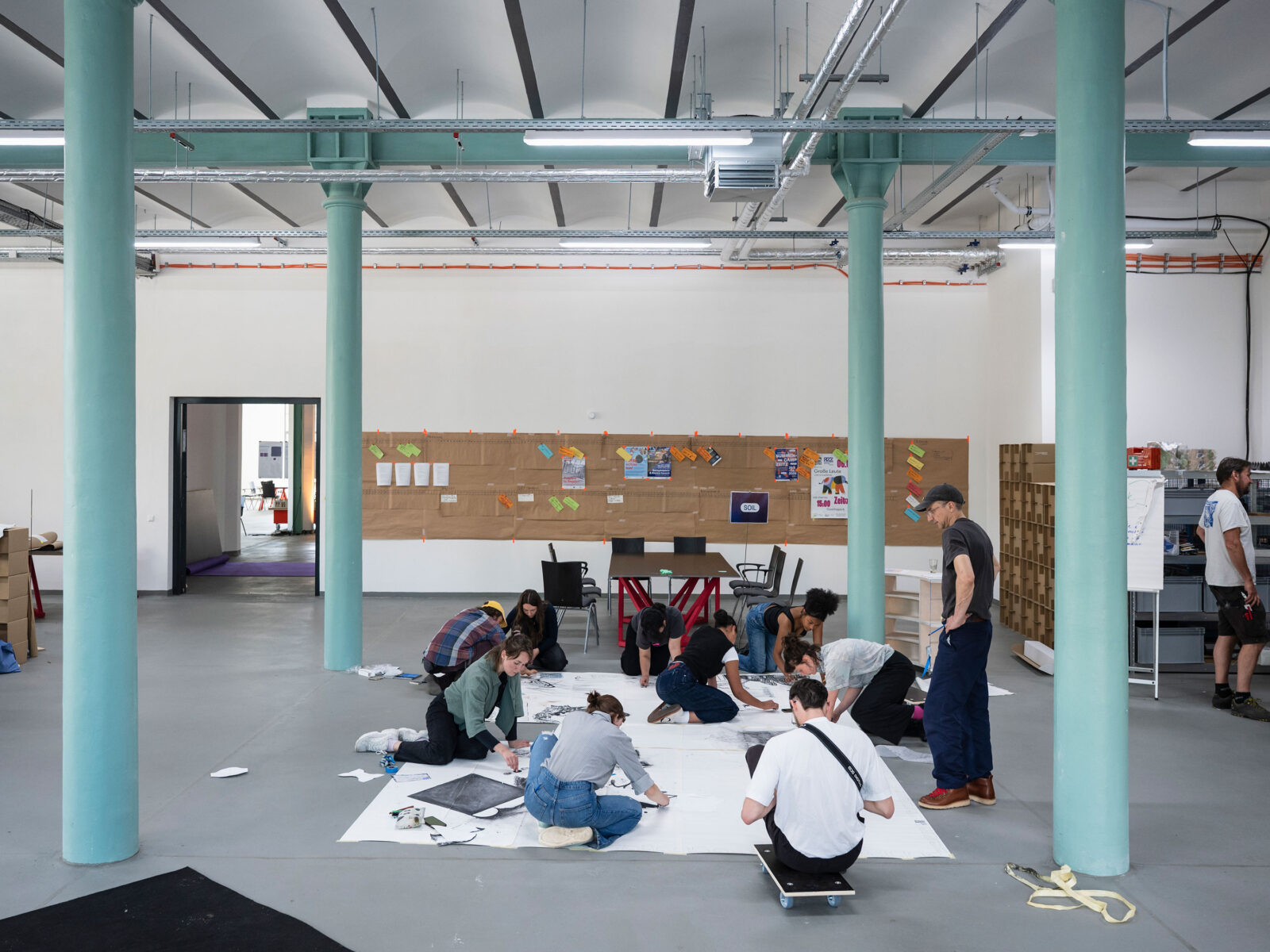
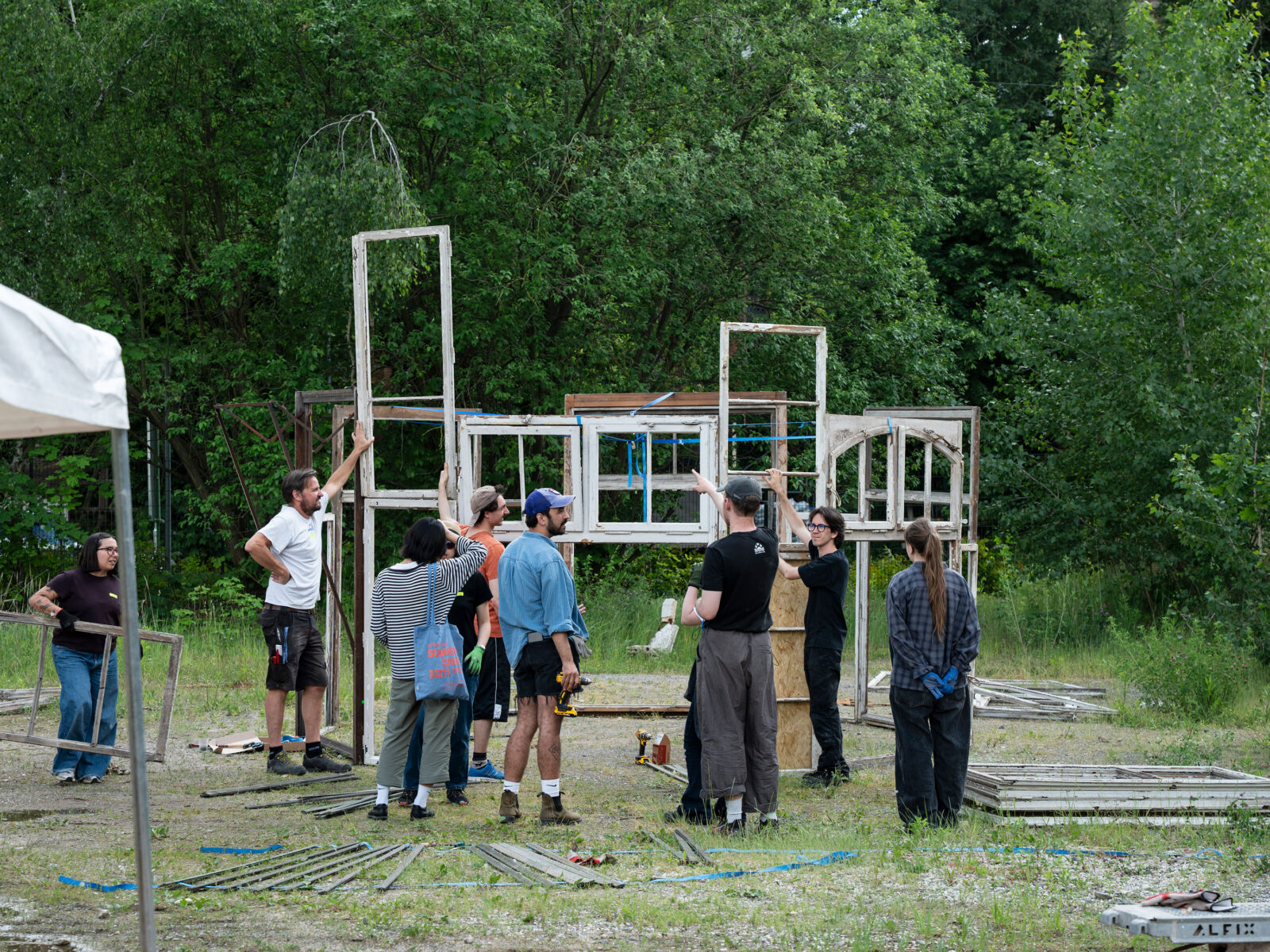
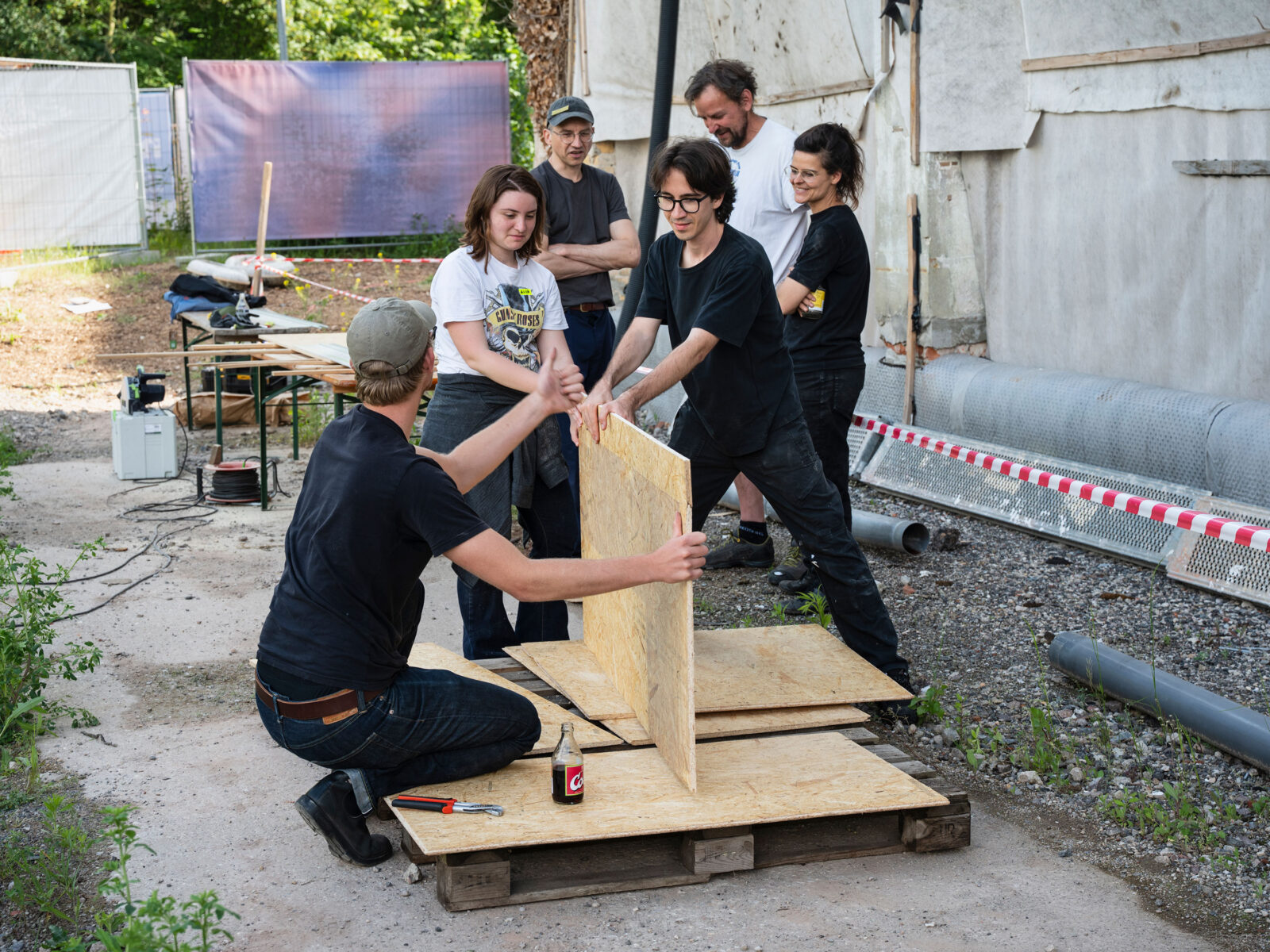
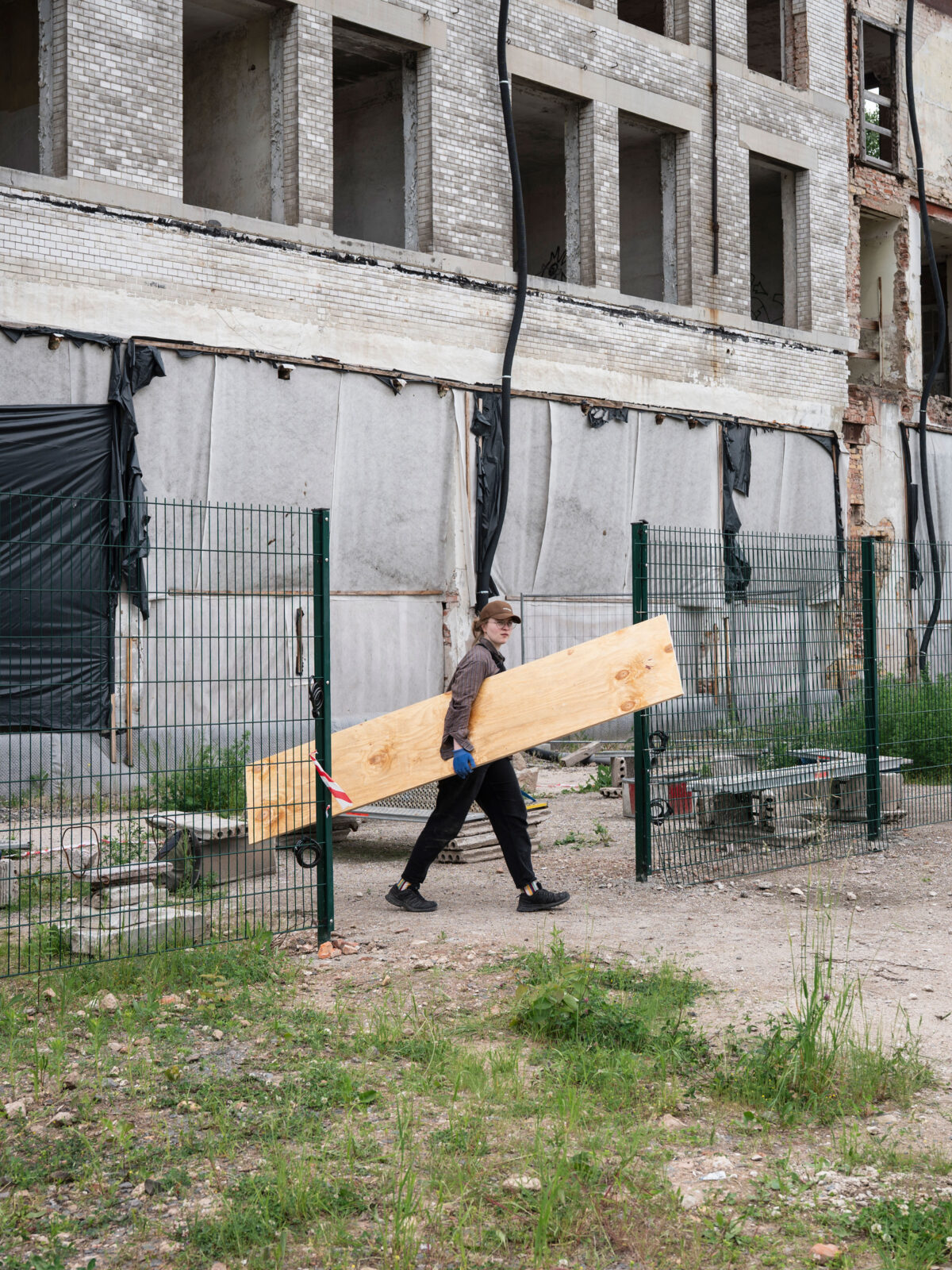
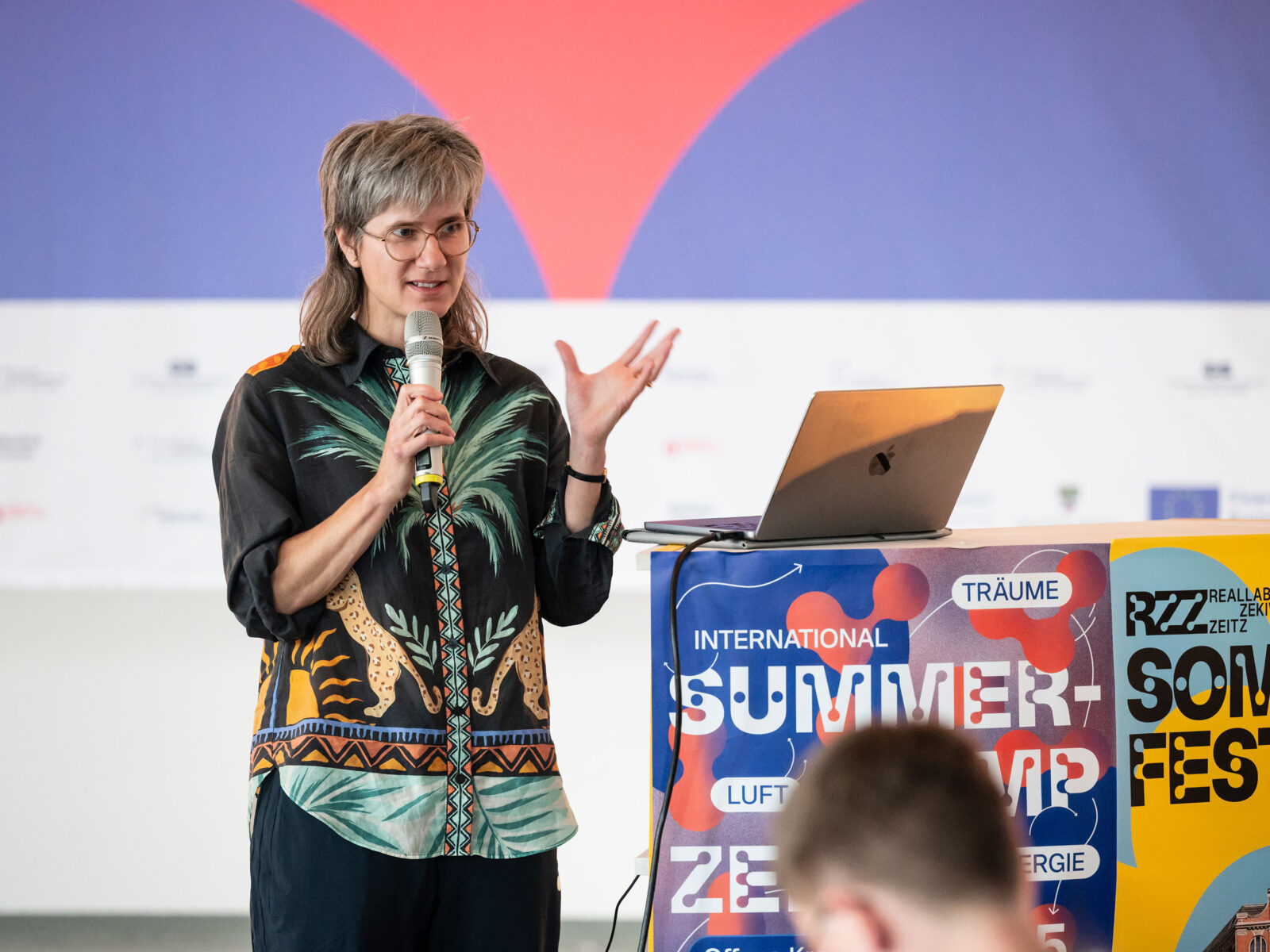
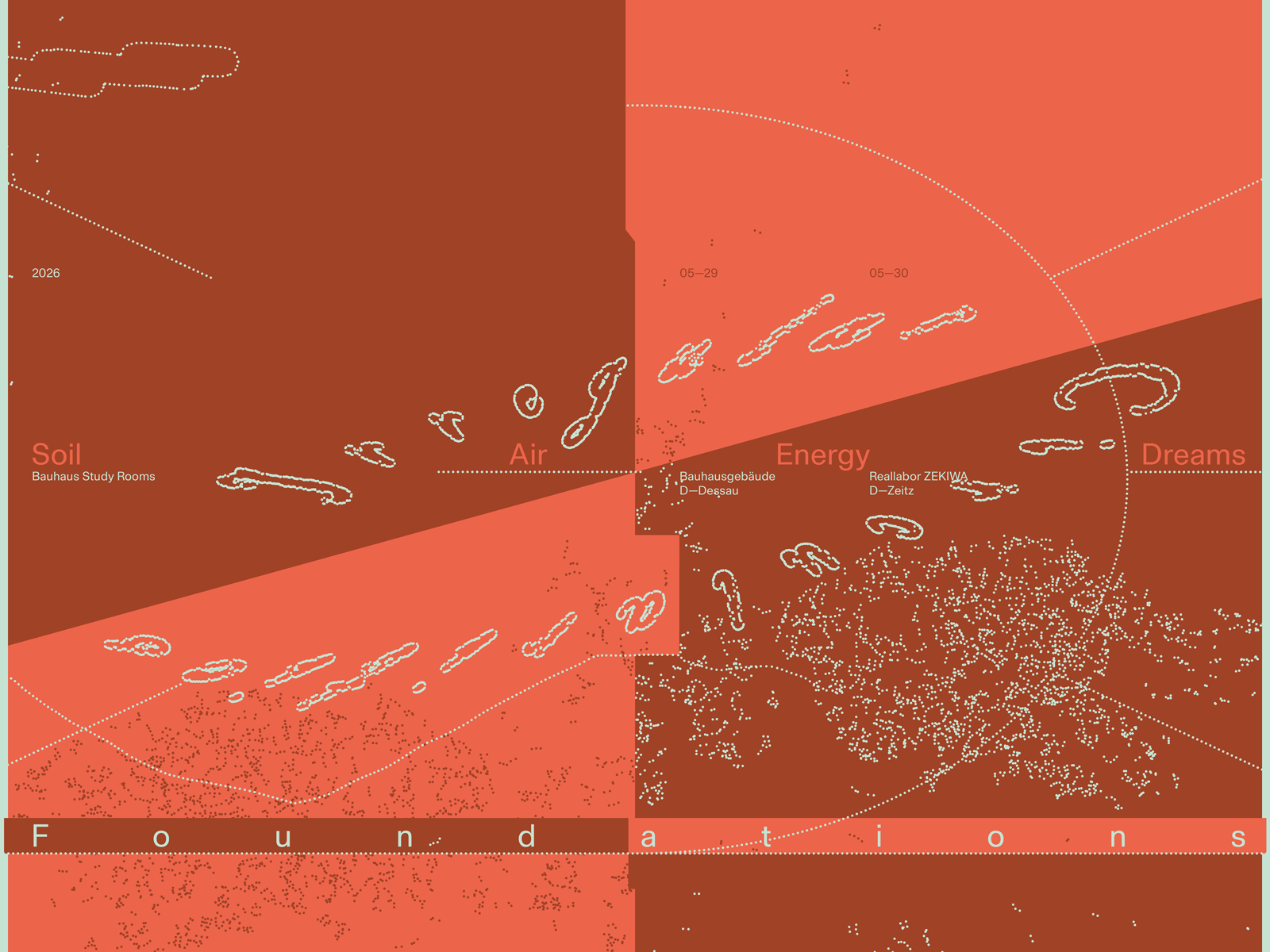
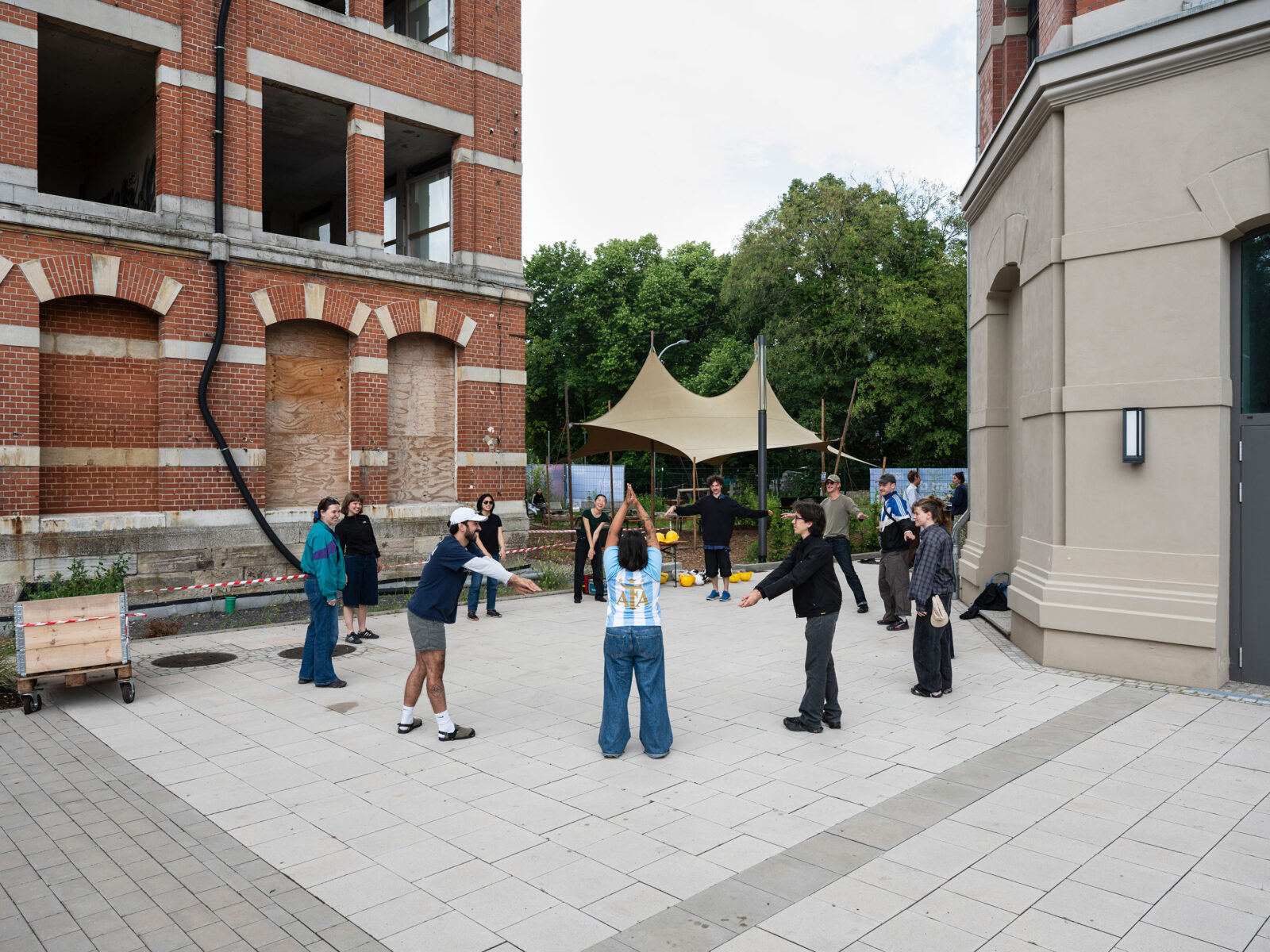
The International Summercamp 2026 takes place May 29th–June 7th and is organized by the Bauhaus Dessau Foundation as part of the Real-World Laboratory ZEKIWA Zeitz (RZZ). Under the title Irregular Circularities, the 10-day Summercamp will bring together different positions from various academics, architects, artists, designers, local actors, and students to collectively debate and practice visions for such regions in transition. Through a series of hands-on workshops, experimental learning platforms, and keynote lectures, a set of multiscale possibilities will be explored to gain local, resource-efficient, and sustainable impulses for the former ZEKIWA area, the Zeitz locality, and beyond.

Irregular Circularities

In theoretical models, cycles often appear closed, harmonious and virtually perfect; in other words, as systems in which information, resources or transformations circulate in an ideal manner. In practice, however, cycles rarely function as smoothly as they are conceived. Unplanned deviations, delays and disruptions also arise between concept and implementation. This means processes fall out of sync, overlap, change direction or even come to a complete halt at times. The project Irregular Circularities takes these fluctuations as its starting point. Rather than anticipating the perfect circle, the project focuses on those moments when flows come to a standstill, shift or reconfigure themselves. Circulations can separate, intersect, overlap or fragment; they can slow down, fray or resume unexpectedly. It is precisely at these unpredictable junctures—that is, where systems do not mesh seamlessly—that new spaces for action emerge. These irregular movements reveal that circulation is always characterised by uncertainties, losses and moments of transformation. At the same time, however, this gives rise to opportunities—such as interstices, niches and temporary connections—in which alternative practices and new forms of adaptation are able to emerge.

Opening Weekend 30.-31.5.2026

​Sat, 30.5.2026

from 5 pm, ZEKIWA Site
Workshop presentation of Bauhaus Study Rooms

​from 6:30 pm, ZEKIWA Site
Welcome
Opening Lecture: Nina Pawlicki

Sunday 31.5.2026

Doors from 6:30 pm, start 7 pm, ZEKIWA Site
Cinema in Motion (HGB, Leipzig)
Filmmakers in attendence + moderated discussion


Workshop Week 1.6-4.6.2026

​Monday 1.6.2026

7 pm ZEKIWA Site
Lecture: Ingo Uhlig
+ impulses with discussion

Wednesday 3.6.2026

7 pm ZEKIWA Site
Lecture: Nerea Calvillo
+ impulses with discussion


Closing Weekend

Friday 5.6.2026

5:30 pm, ZEKIWA Site
Guided Tour + Innovation evening (Forum Rathenau e.V.)

Saturday 6.6.2026

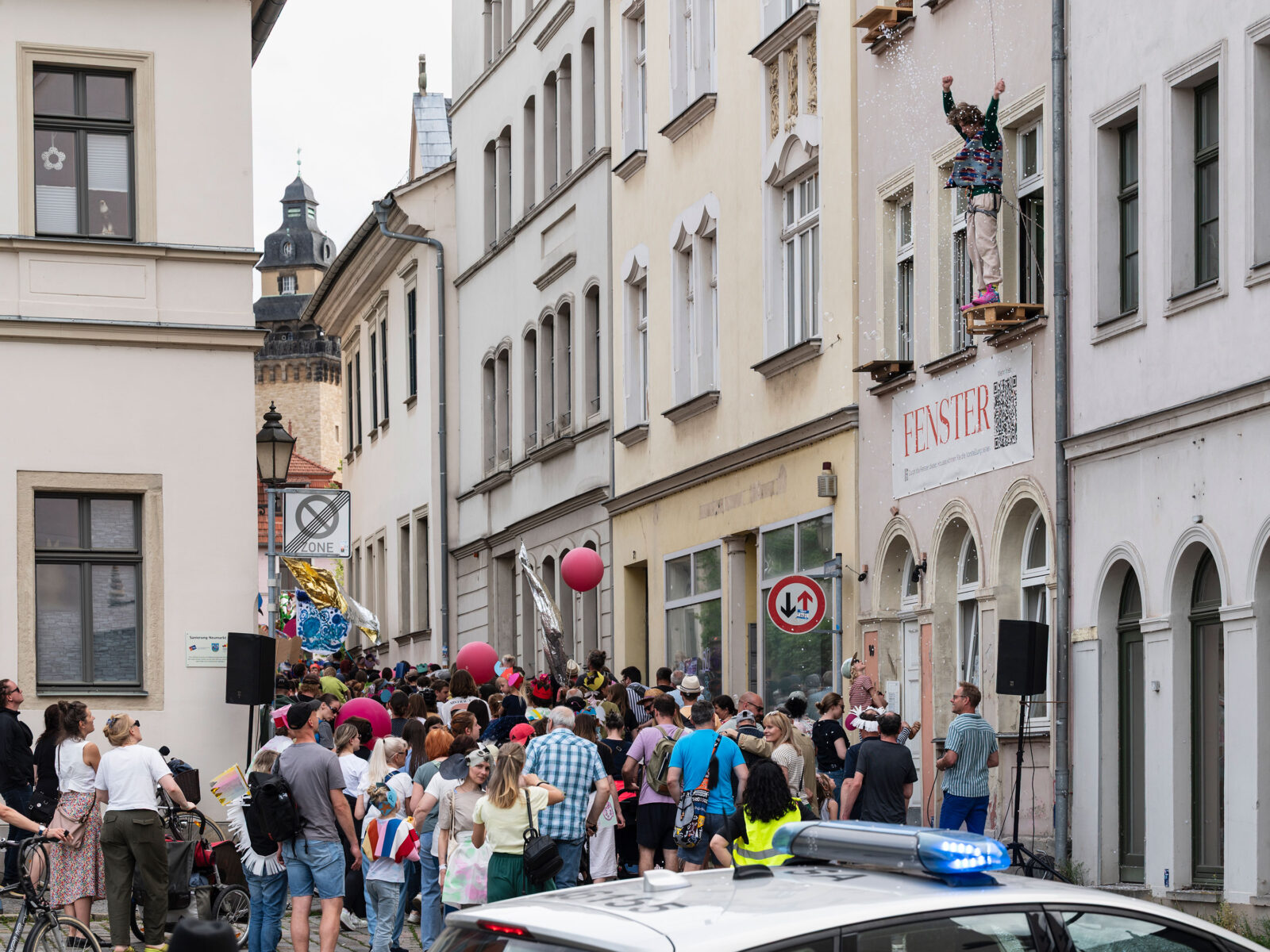
4 pm, Start of the Carnival Parade at Goethepark with the end point at the ZEKIWA Site
“Big People” Carnival (Upsala Circus & Bauhaus Agents)
+ Summercamp Concluding Event with Exhibition

The international Summercamp is divided into four thematic areas: soil, energy, air and dreams. International students and early career practitioners from the fields of art, architecture, design and related disciplines are invited to spend 10 days exploring the circular economy and future transformation potential in the context of the following four projects:

1. Soil: “Brick Factory”
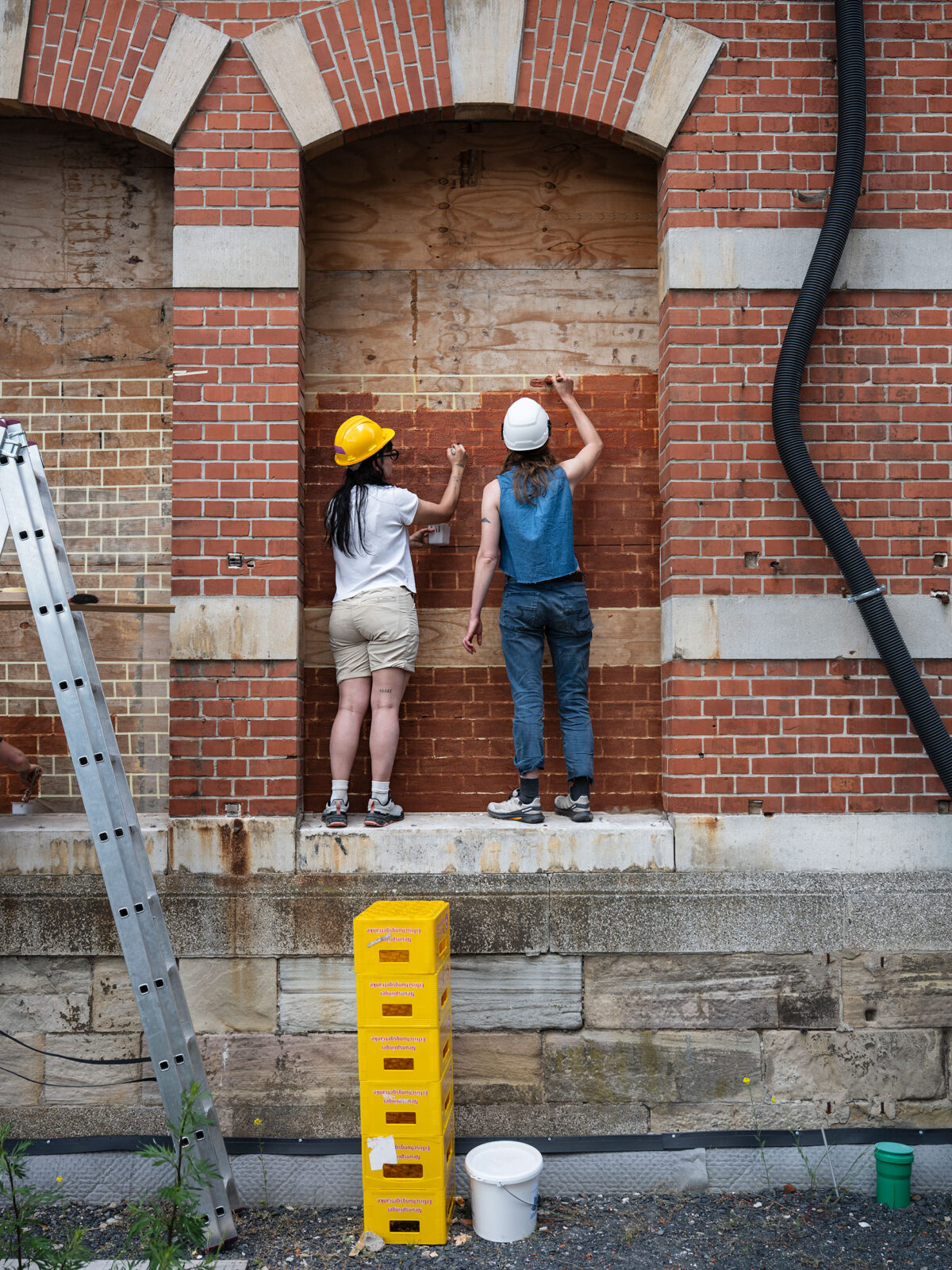
A practice-oriented project that understands soil as a distinctive resource which combines material research, craftsmanship, and spatial experimentation. Throughout the Summercamp, a temporary Brick Factory will be established in which production, use, and disposal are equivalent phases and make circular thinking spatially, materially, and performatively tangible.

2. Energy: “New (Mobile) Working Environments”
An experimental, practice-oriented project that focuses on how energy (whether human, technical, or digital) can be generated, used, and transformed, and what forms of work result from this. This project invites participants to explore notions of contemporary work environments through performative and installative living and working experiments, or through scenarios in which human movement, interaction, or creative practice generate energy.

3. Air: “Exchange Market”
An experimental, practice-oriented project that understands air as an indicator and symbol of change and circulation: an invisible force that enables flow, exchange, movement, and dependencies between people, things, and spaces. This project focuses on sharing and exchanging as a circular principle and invites participants to simulate an exchange platform as an installative and performative structure where value is negotiated by use and need.

4. Dreams: “Cartographies of Dreams”
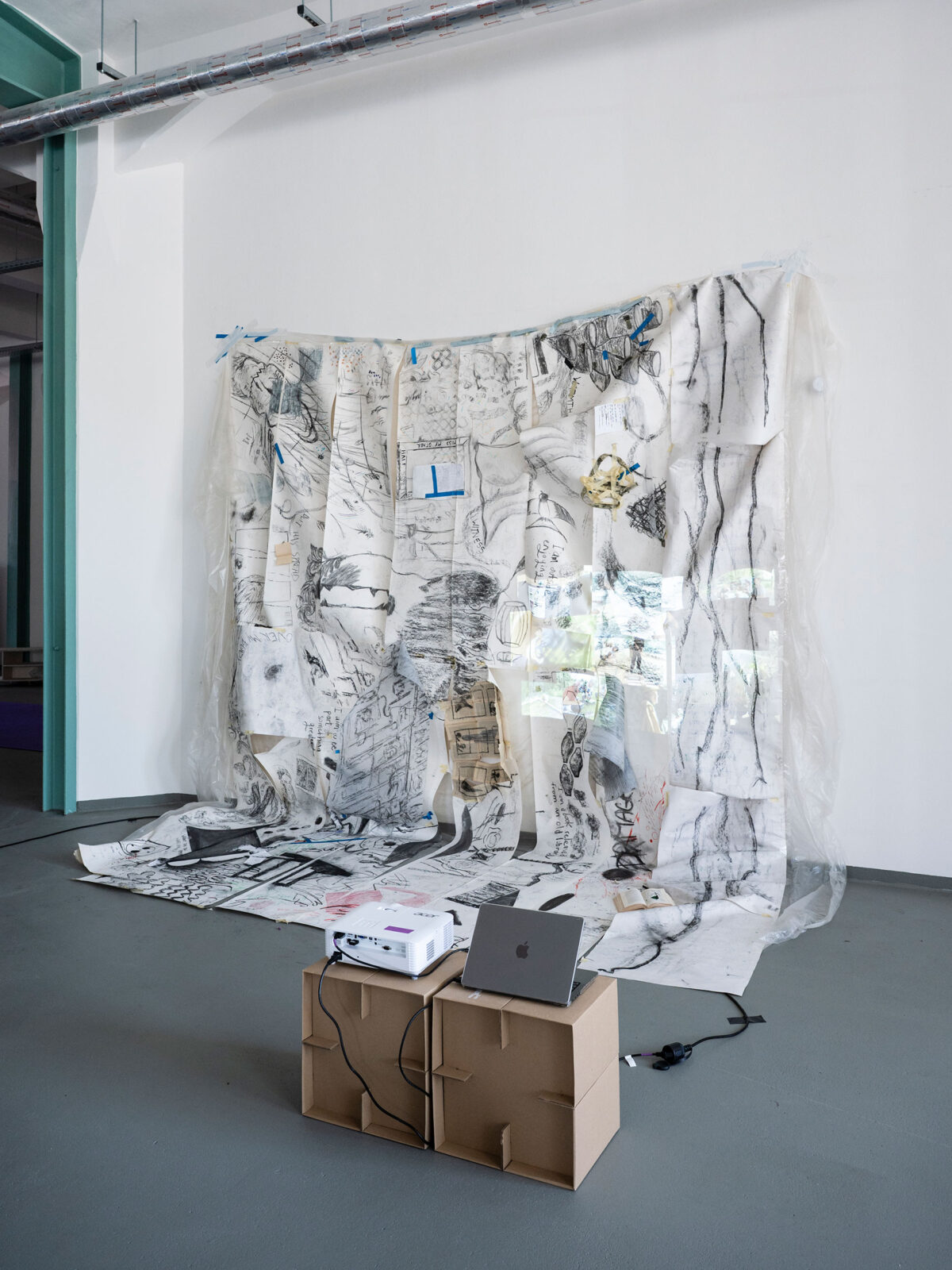
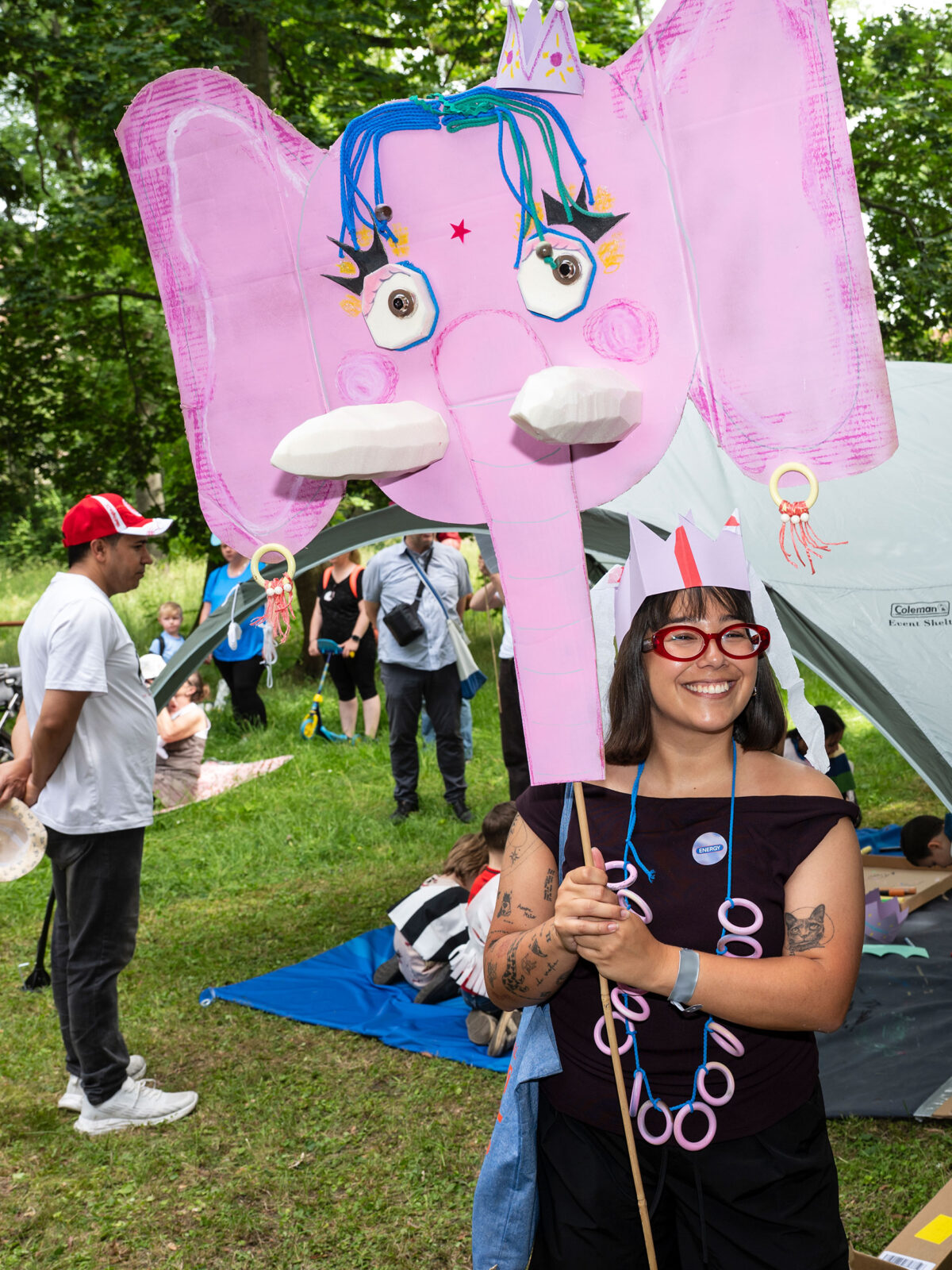
An artistic, speculative project that understands dreams and desires as productive forces for designing possible future scenarios, visions, and alternative models of coexistence. By understanding dreams as imaginative raw material, the fourth project invites participants to artistically excavate, formulate, and translate dreams and wishes into a collective cartography of possibilities.


During the Summercamp, all participants will be provided workspaces, temporary accommodation in Zeitz, and a meal allowance, but must cover their own travel to and from Zeitz. The participants are expected to be present on site for the entire duration of the Summercamp to contribute to the collective work on one of the four projects presented above. The camp will be conducted in English and German, as language barriers can be part of the adventure.

Applications can be submitted until 19 February 2026 and must include
– a short biography (150 words)
– up to 5 images of current (student) projects
– and a letter of motivation (350 words) on at least one (preferably two) of the four projects mentioned above.

All documents must be sent to Daniel Springer (summercamp@bauhaus-dessau.de) by 19
February 2026. Questions about the summer camp can also be sent to this email address.
All application documents should be submitted as a single PDF file (max. size 10 MB).
Selected candidates will be notified by 27 February 2026.

The complete summer camp programme (including all workshops, keynotes and lectures) will be published in March 2026.

In cooperation with