Workshop
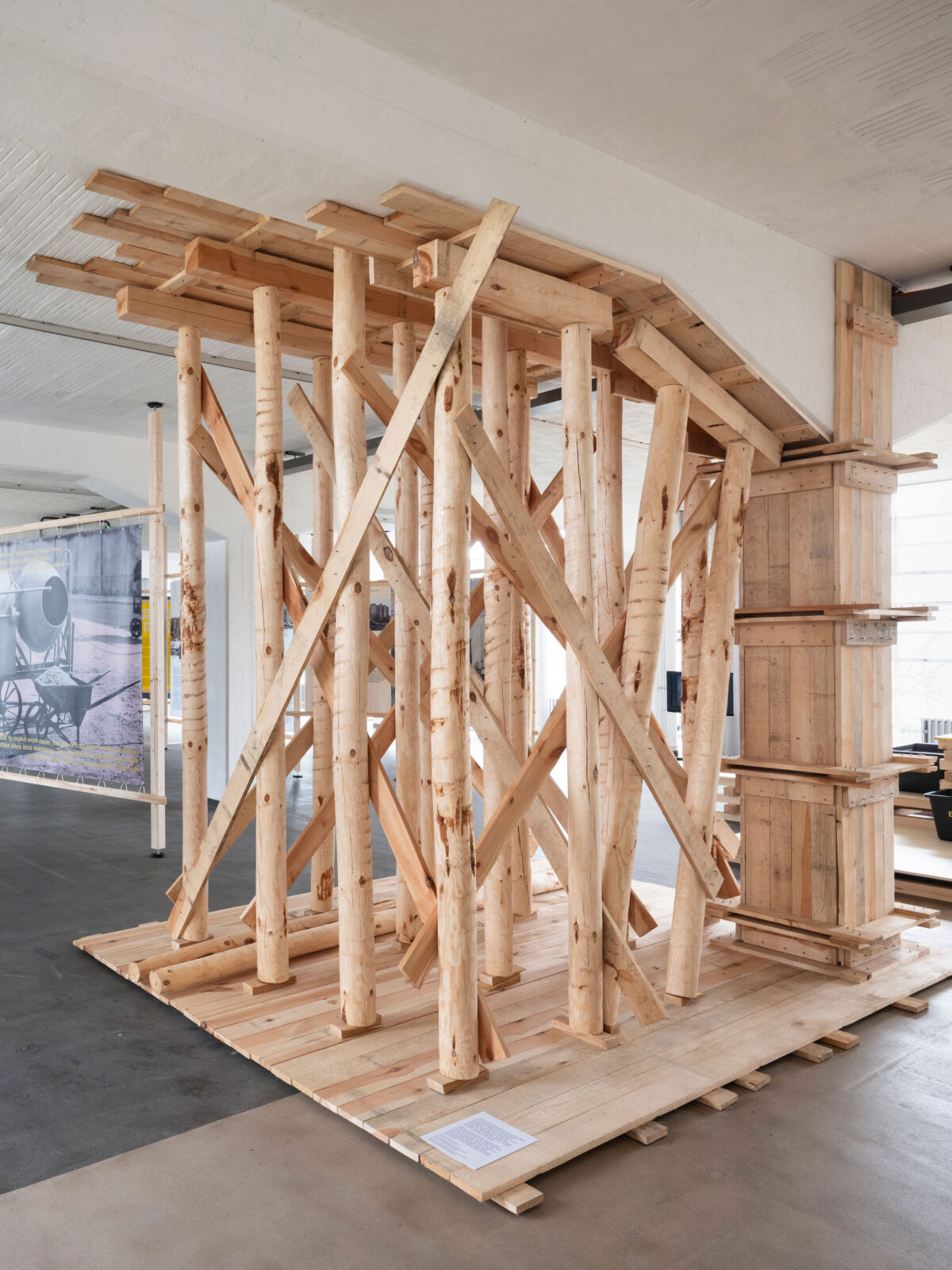
Open Workshop: Formwork
13 Jun 2026
11 am – 2 pm

Walter Gropius once called iron, concrete and glass the new industrial materials that would “supersede” the old natural ones. The Bauhaus Building itself is a testament to numerous material innovations that emerged in industry and in the construction sector of the 1920s. This three-part exhibition is dedicated to the materials the building is mainly made of and with which Bauhauslers experimented in the Bauhaus workshops.
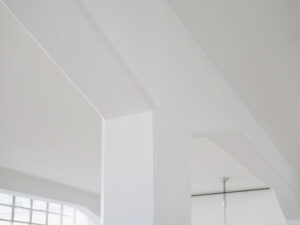
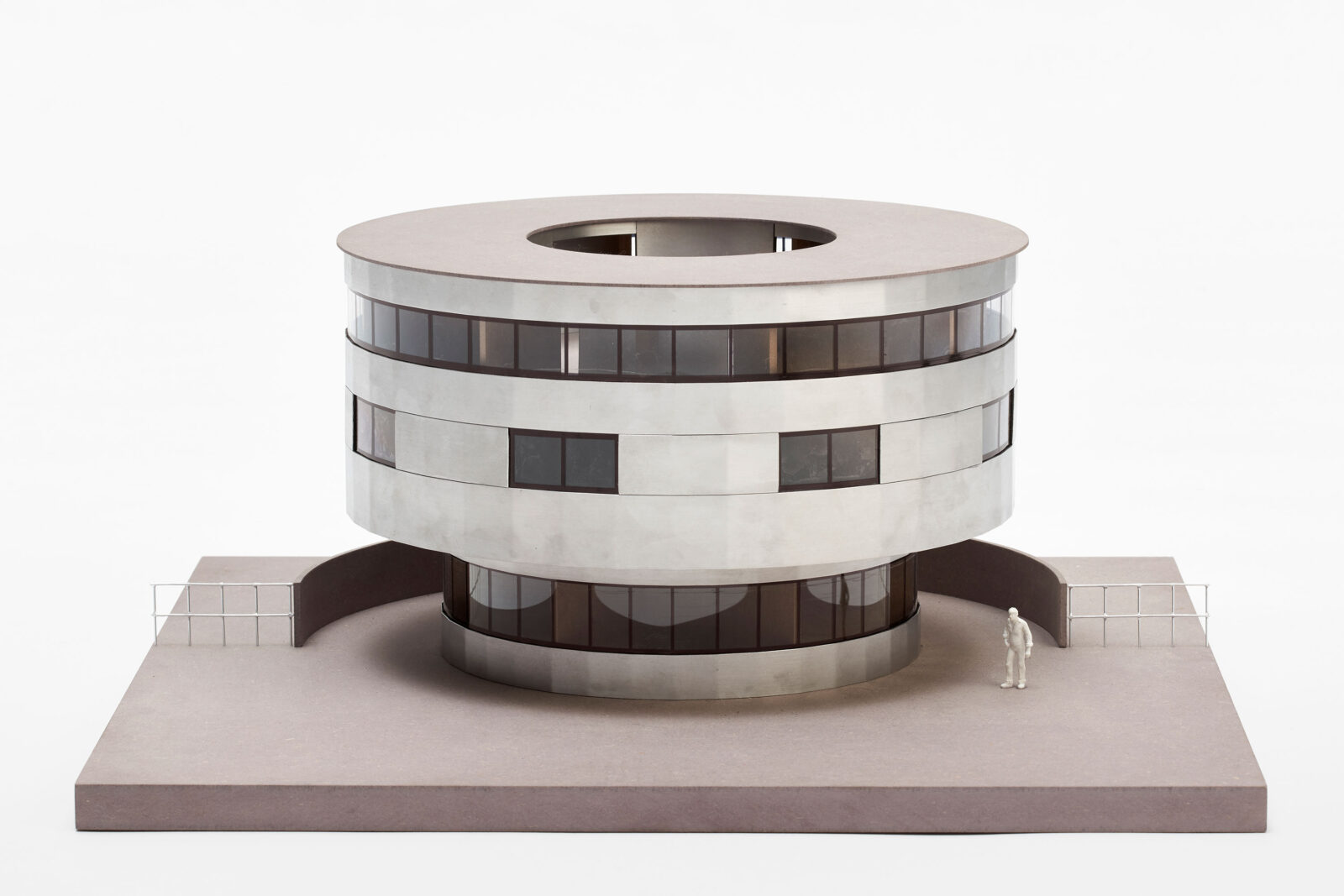
When the Workshop Wing of the Bauhaus Building opened in Dessau on 4 December 1926, it radiated like a glass cube – an architectural manifestation of Neues Bauen (New Building). The fascination but also scepticism of more than a thousand visitors resulted not only from the unusual, windmill-like ground plan but also from the innovative building materials used by Walter Gropius and explored in the designs by the school’s’ workshops.
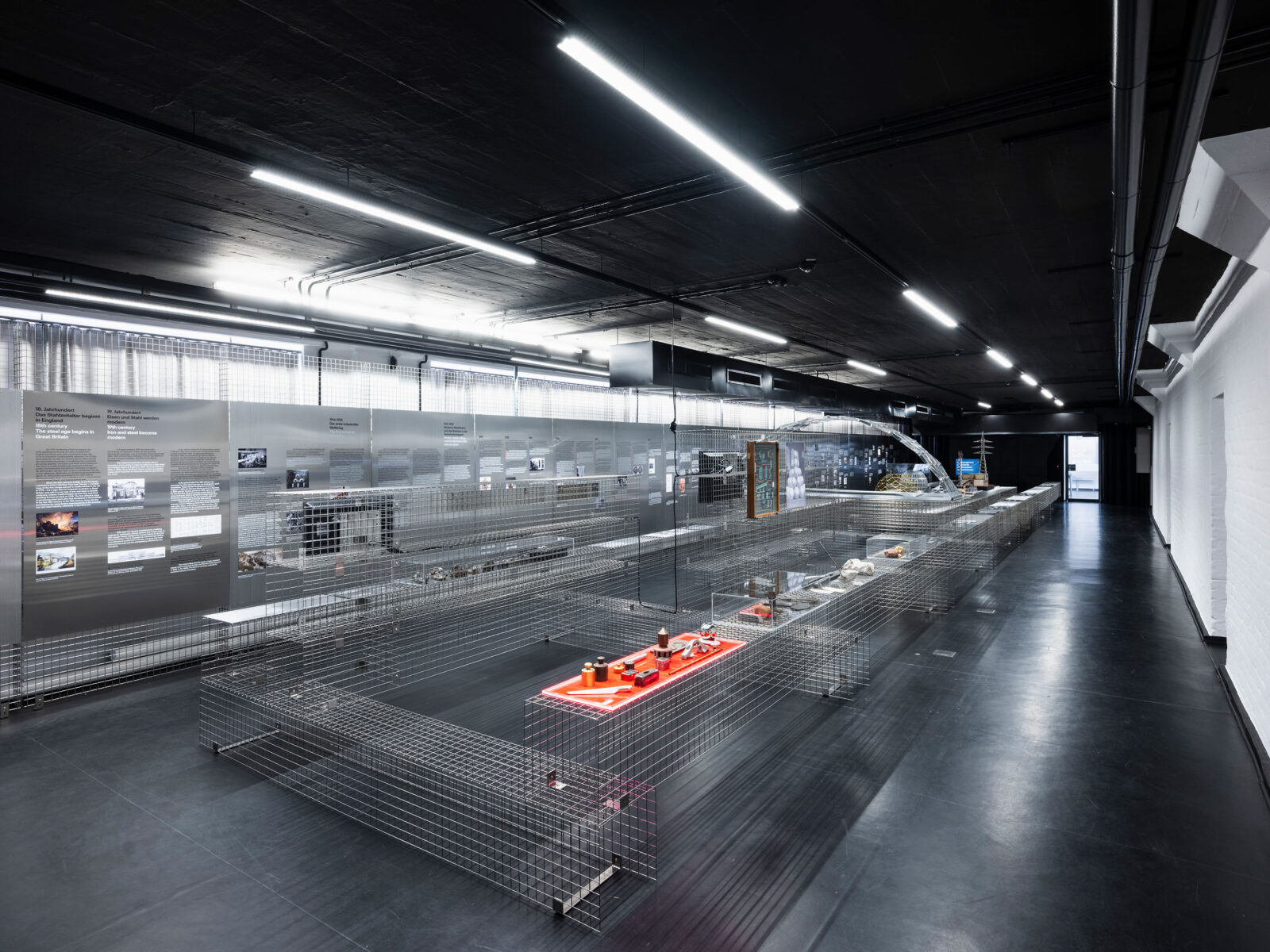
Nearly a century later, the exhibition Glass | Concrete | Metal in the historical Workshop Wing looks at precisely these materials. It examines the close ties of work at the Bauhaus to the industrial history of the early twentieth century and asks about the often-overlooked material, economic, and technological foundations of the iconic Bauhaus Building and its workshop production.
The three-part exhibition shows historical photographs, tools, documents, and equipment to offer insight into aspects of the history of the Bauhaus that have received little attention. It asks about the formats of this modern aesthetic of the everyday, about manufacturing process, production sites, working conditions, and obtaining raw materials hidden behind the smooth, clean surfaces of steel tube and glass façades.
Glass | Concrete | Metal follows trading routes and resource streams that were tied to profoundly unequal colonial and imperial economic relationships and geopolitics. The exhibition addresses the complications and fault lines but also the breakthroughs associated with the innovations in materials in the early 1920s – and thus builds a bridge to current debates on sustainability, resource justice, and global conditions of production.
Opening:
28 Mar 2026, 11 am
Curator’s tour:
29 Mar 2026, 4 pm
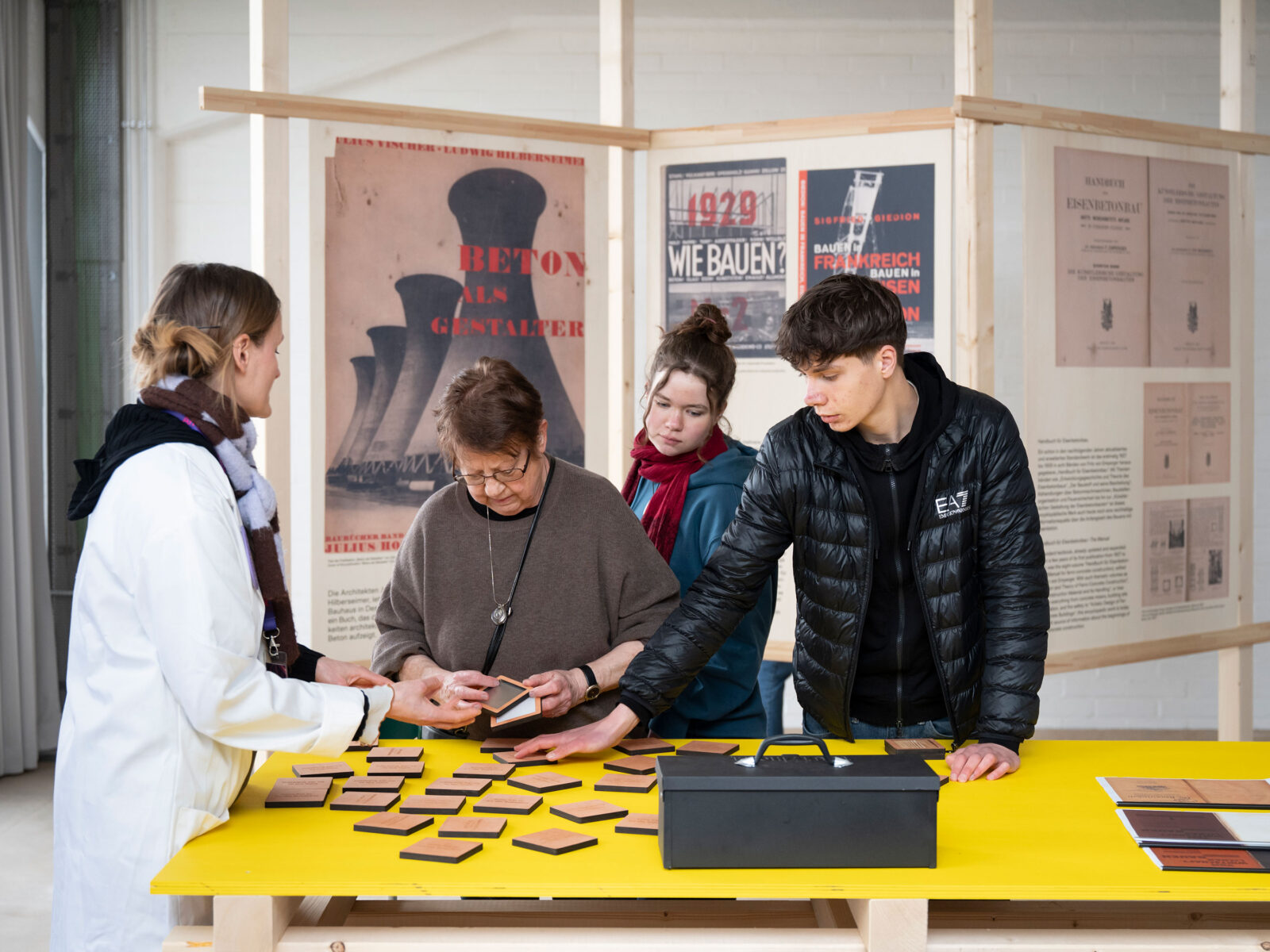
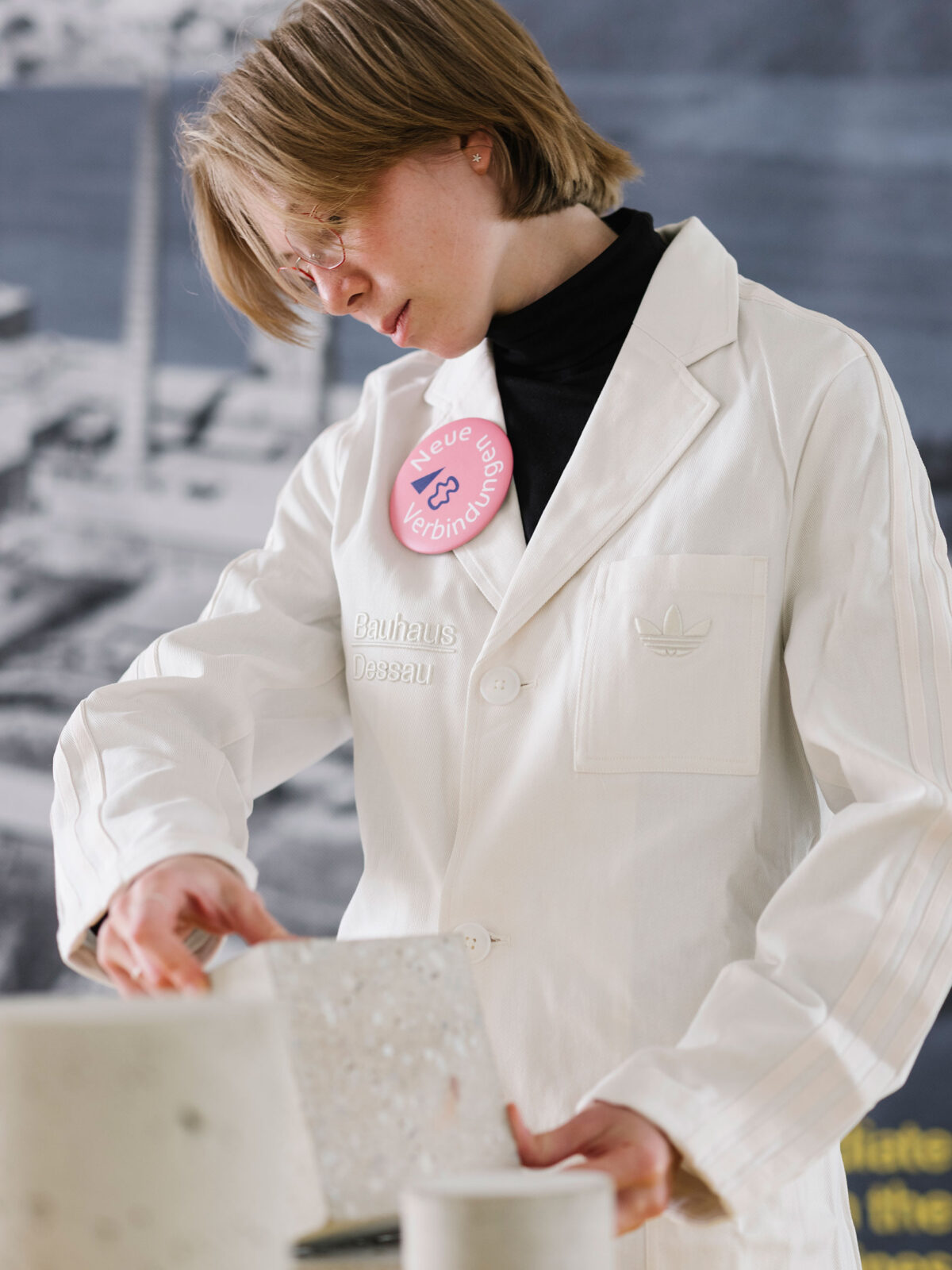
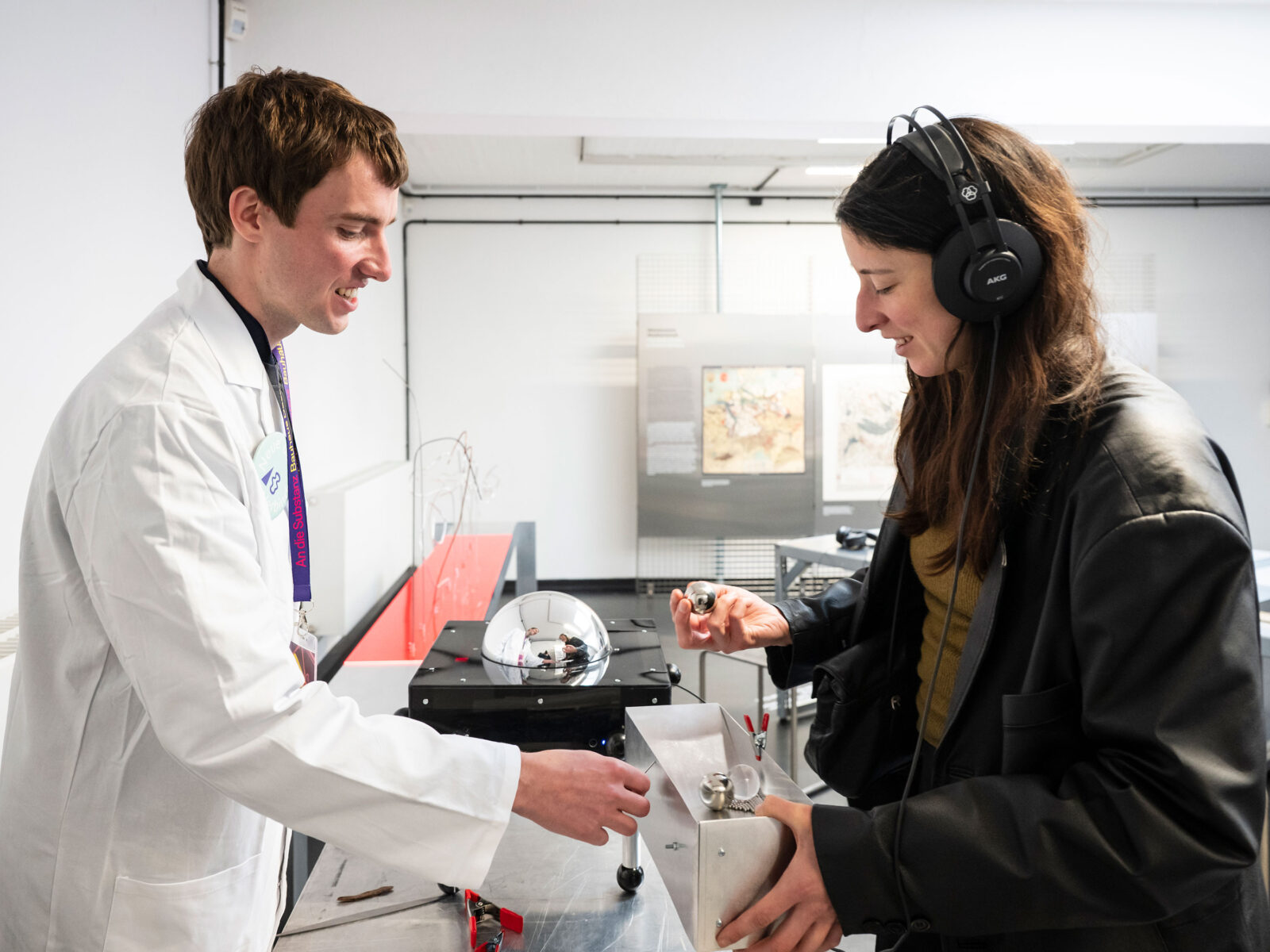
Rediscovering materials: Twice a month, on Sundays from 11 am to 3 pm, the ‘New Connections’ programme invites all curious and interested visitors to experience modernist materials in a new way.
Glass, concrete and metal shape not only Bauhaus architecture but also everyday life. The ‘New Connections’ programme offers sensory approaches to these materials: How do they feel? How do they sound? And what happens when we get right down to their ‘essence’?
Educators encourage discussion, show material samples and provide insights into the special properties of the materials through short demonstrations.
Dates
14 + 28 June 2026 / 12 + 26 July 2026 / 9 + 23 August 2026 / 4 + 5 September (Bauhaus Festival) + 27 September 2026 / 11 + 25 October 2026 / 5 + 8 + 22 November 2026 / 4 + 13 December 2026 / 10 January 2027
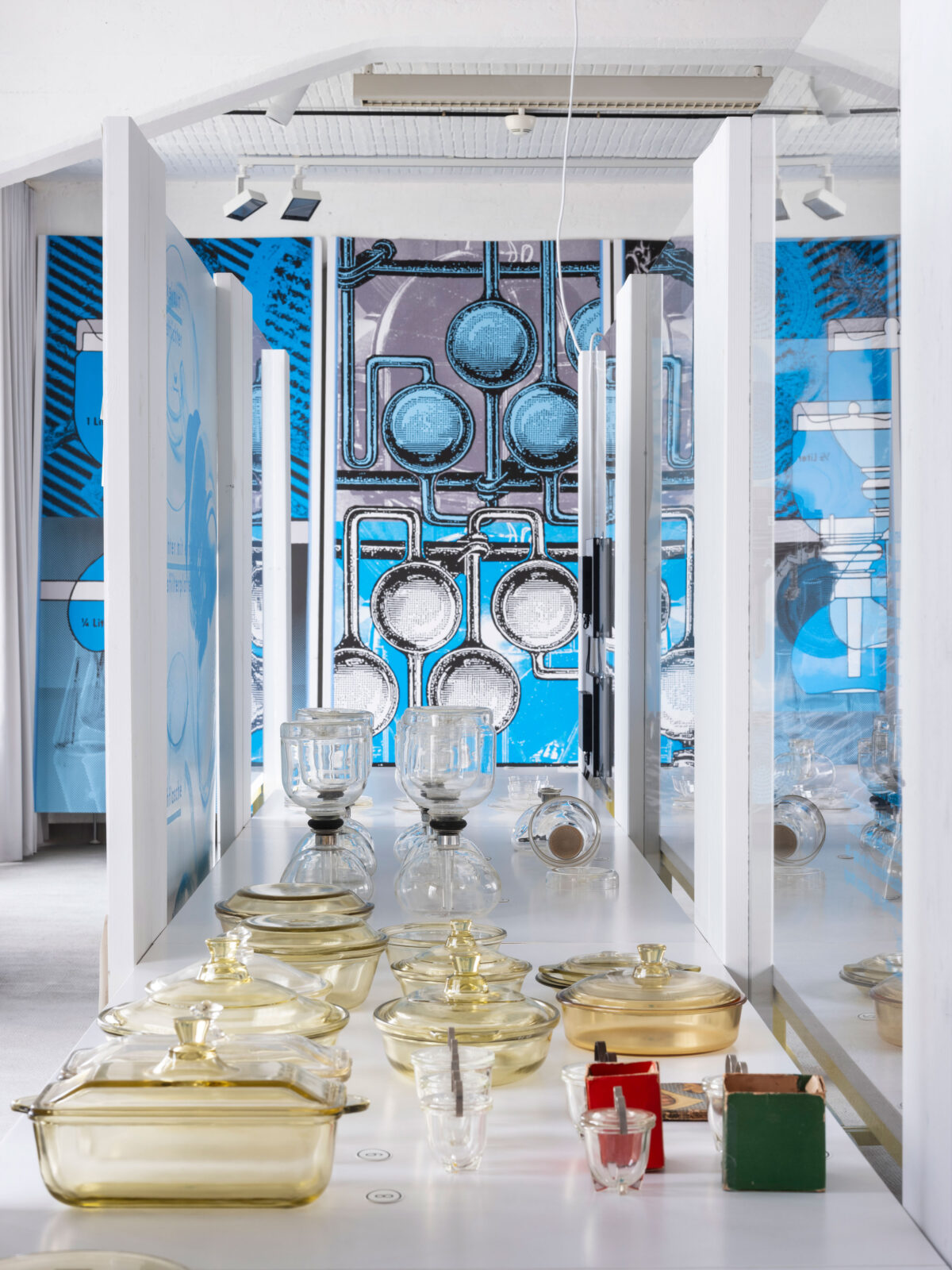
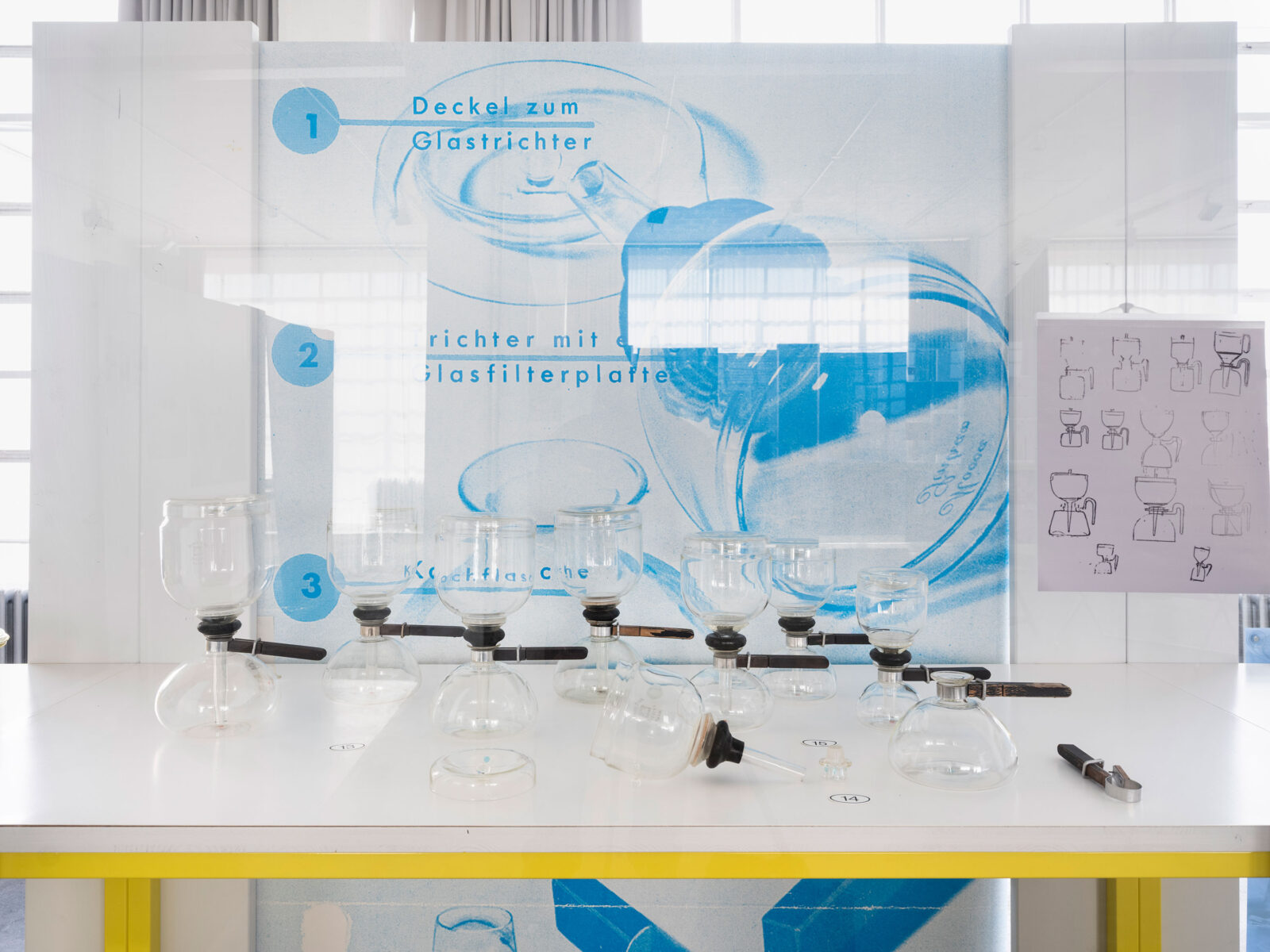
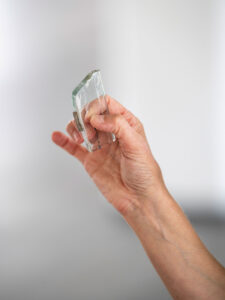
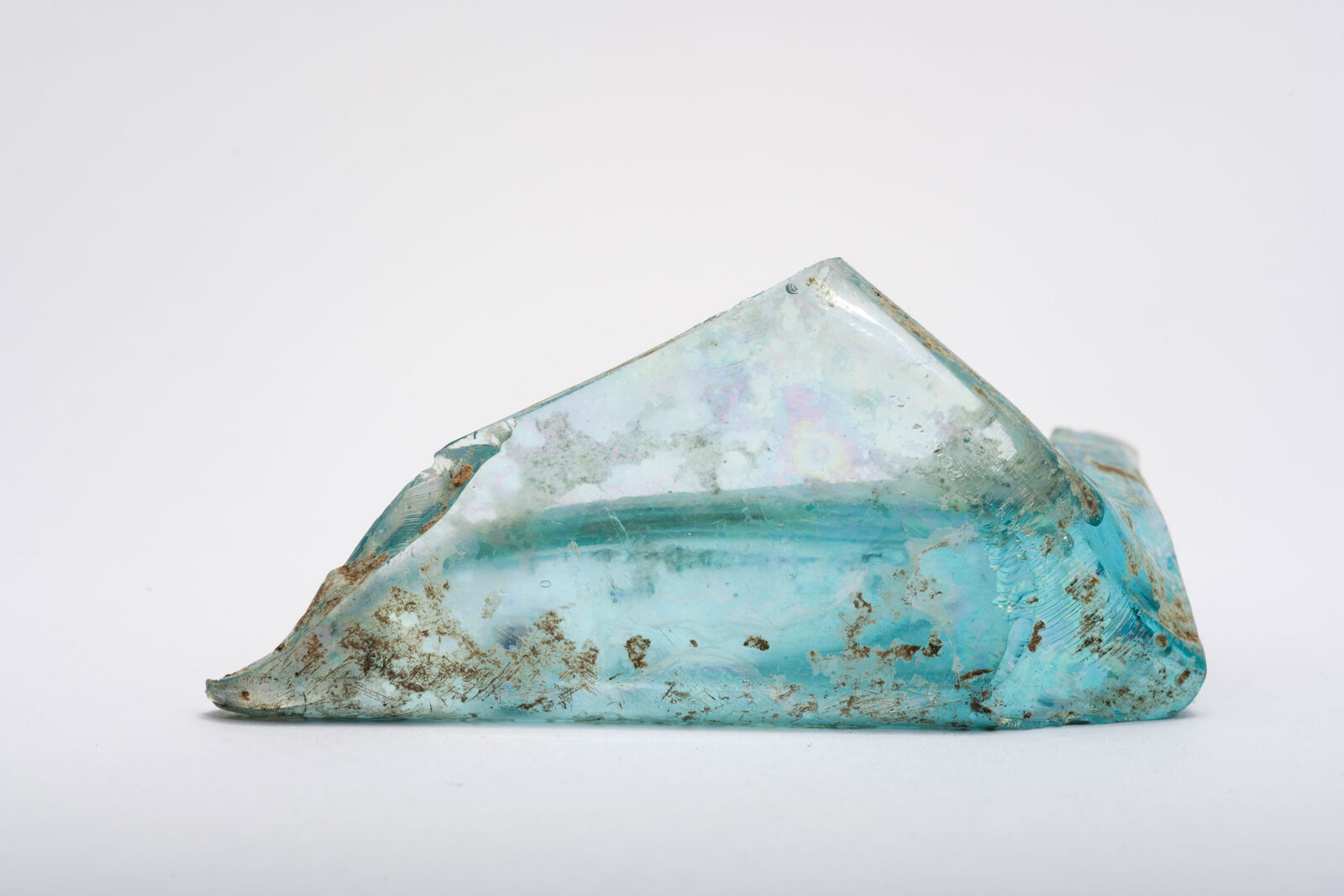
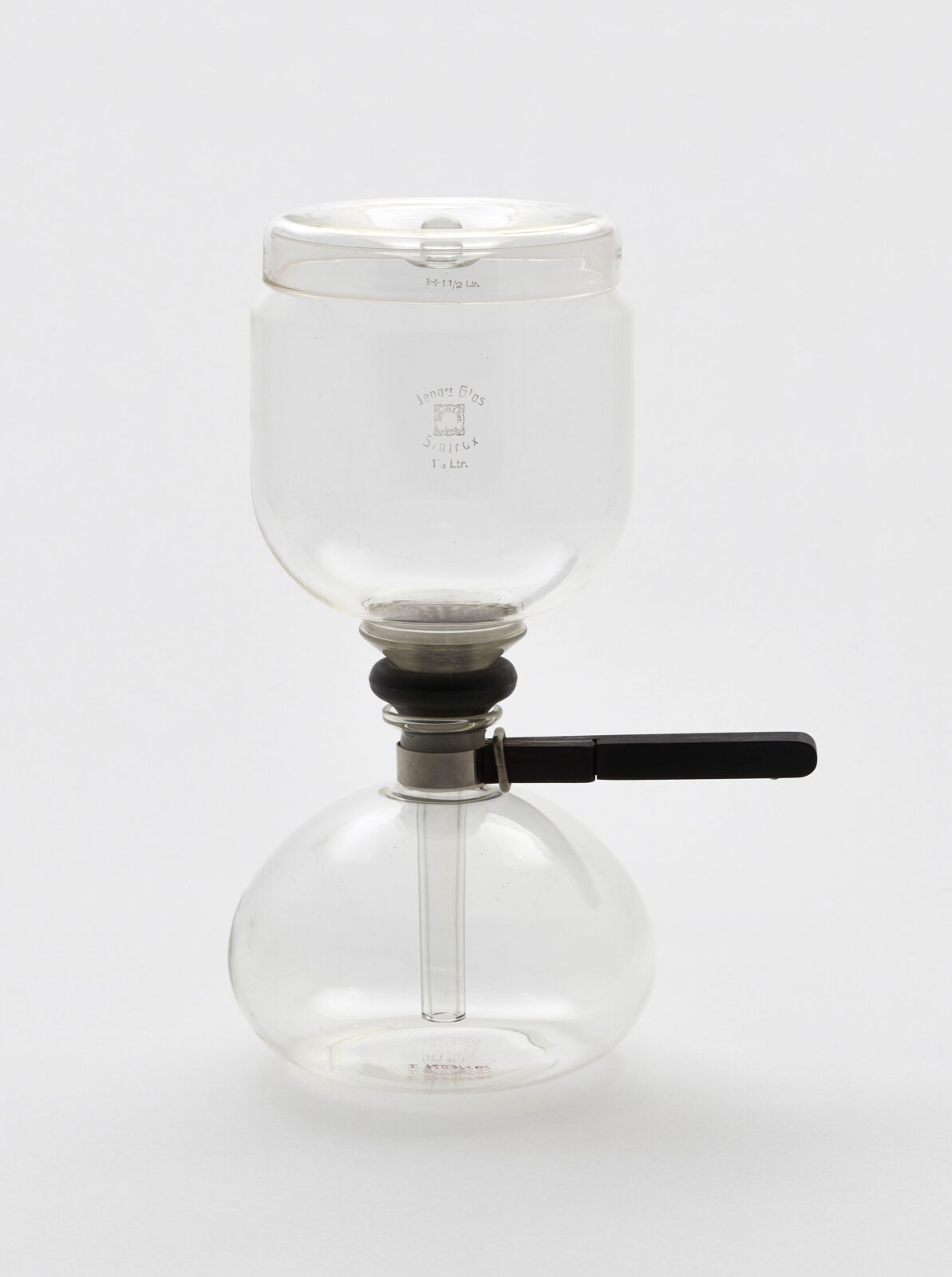
At the beginning of the twentieth century, glass as a construction material become one of the most important media for a new view of architecture. “Glass architecture”, Walter Gropius wrote in 1926, reveals “a changed perception of space that reflects the principle of movement, of our era’s traffic in a loosening of building volumes and spaces that negates the terminating wall and seeks to preserve the connection of the interior to the surroundings.” Turned into a transparent material by subjecting mineral solids to heat, glass is the stuff of artificial transformation – and thus also embodies the very upheavals of the modern era.
The first section of the exhibition examines the technological, aesthetic, and symbolic dimensions of this material that rethought architecture and changed our view of the world.
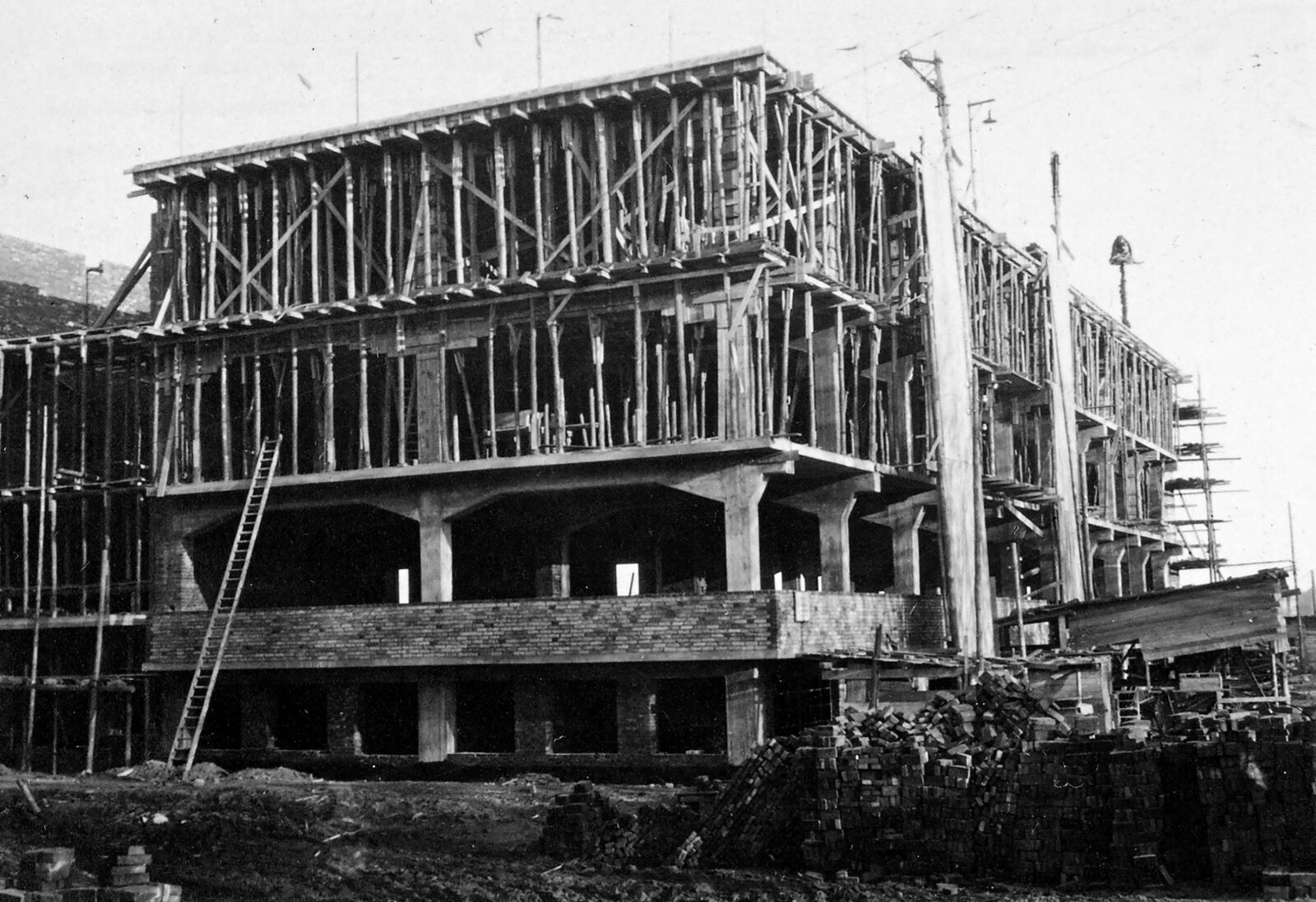
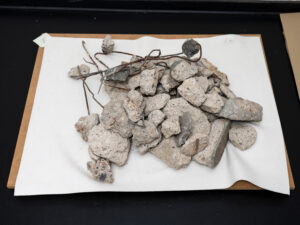
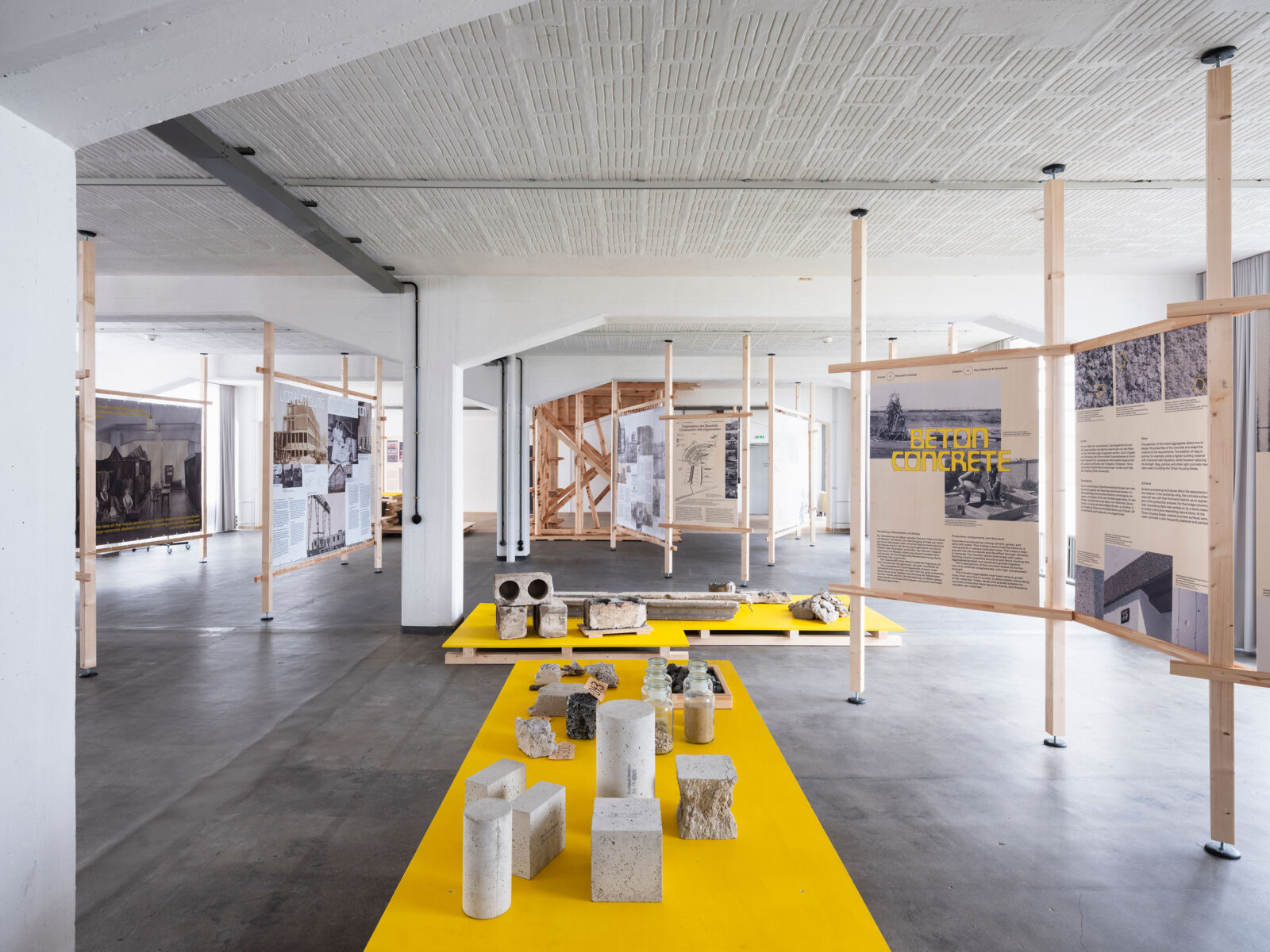
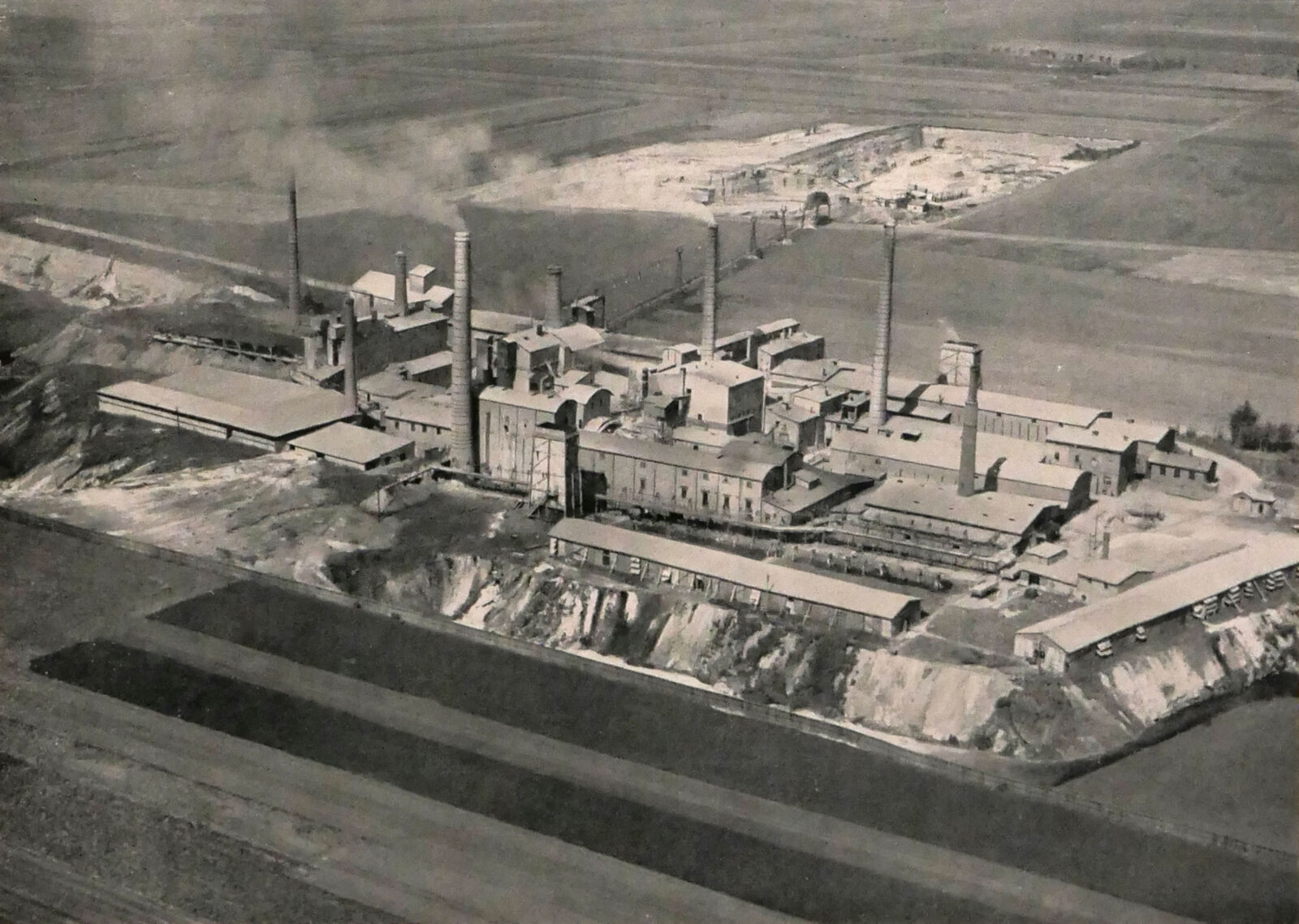
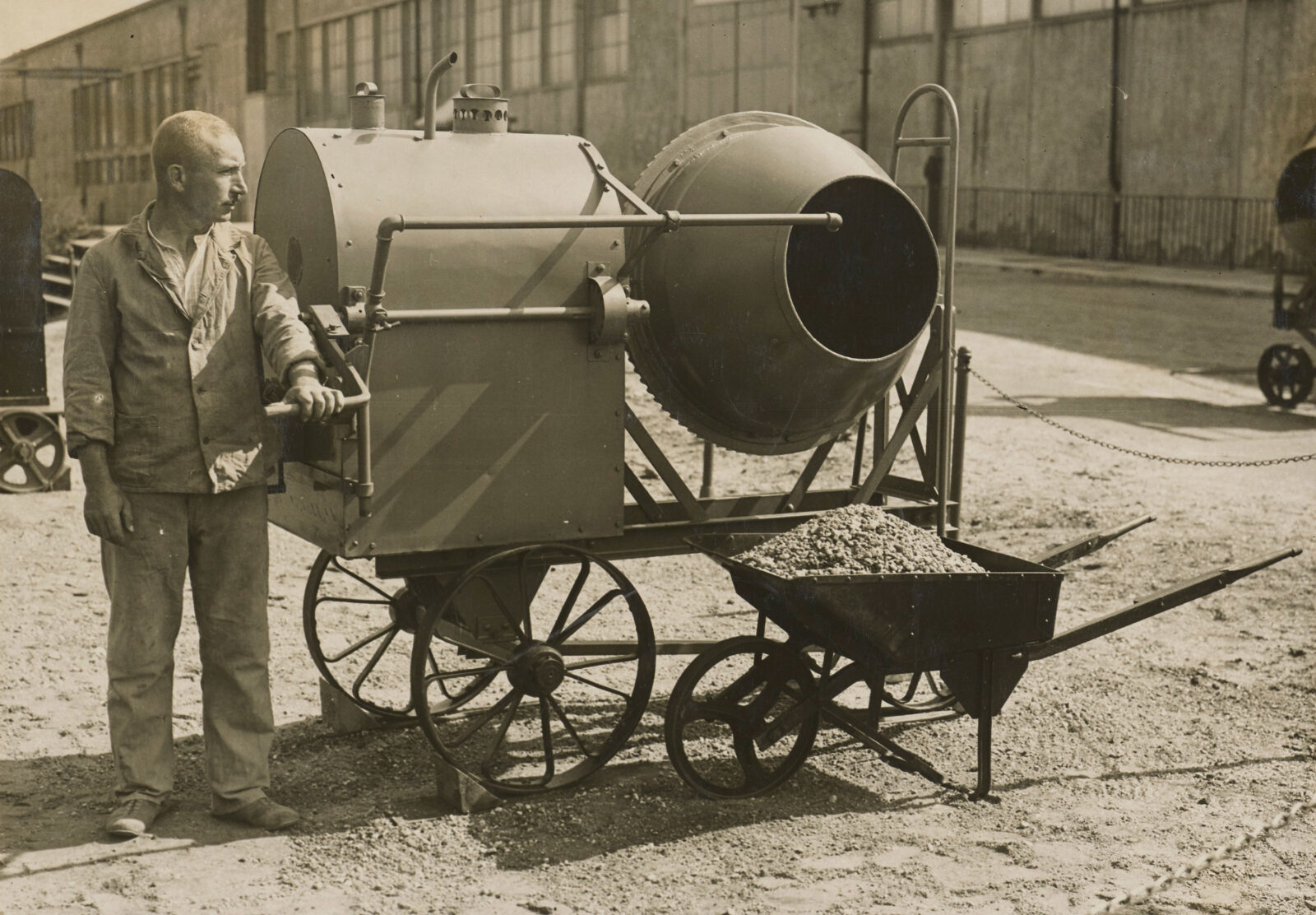
The basic structure of the Bauhaus Building is a reinforced-concrete load-bearing structure. The second section focuses on what it meant when the Bauhaus was being built in 1925/26 to realise such a construction and what assumptions, general conditions, and processes were associated with it.
Concrete made new architectural freedoms and constructions possible. At the same time, the exhibition addresses the considerable interventions in the landscape and ecosystems that went along with extracting raw materials for the production of concrete – both then and now. The equivocality of this building material between innovation and ecological contamination becomes just as obvious as its central role for modernity.
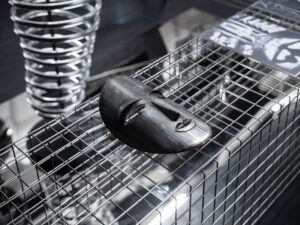
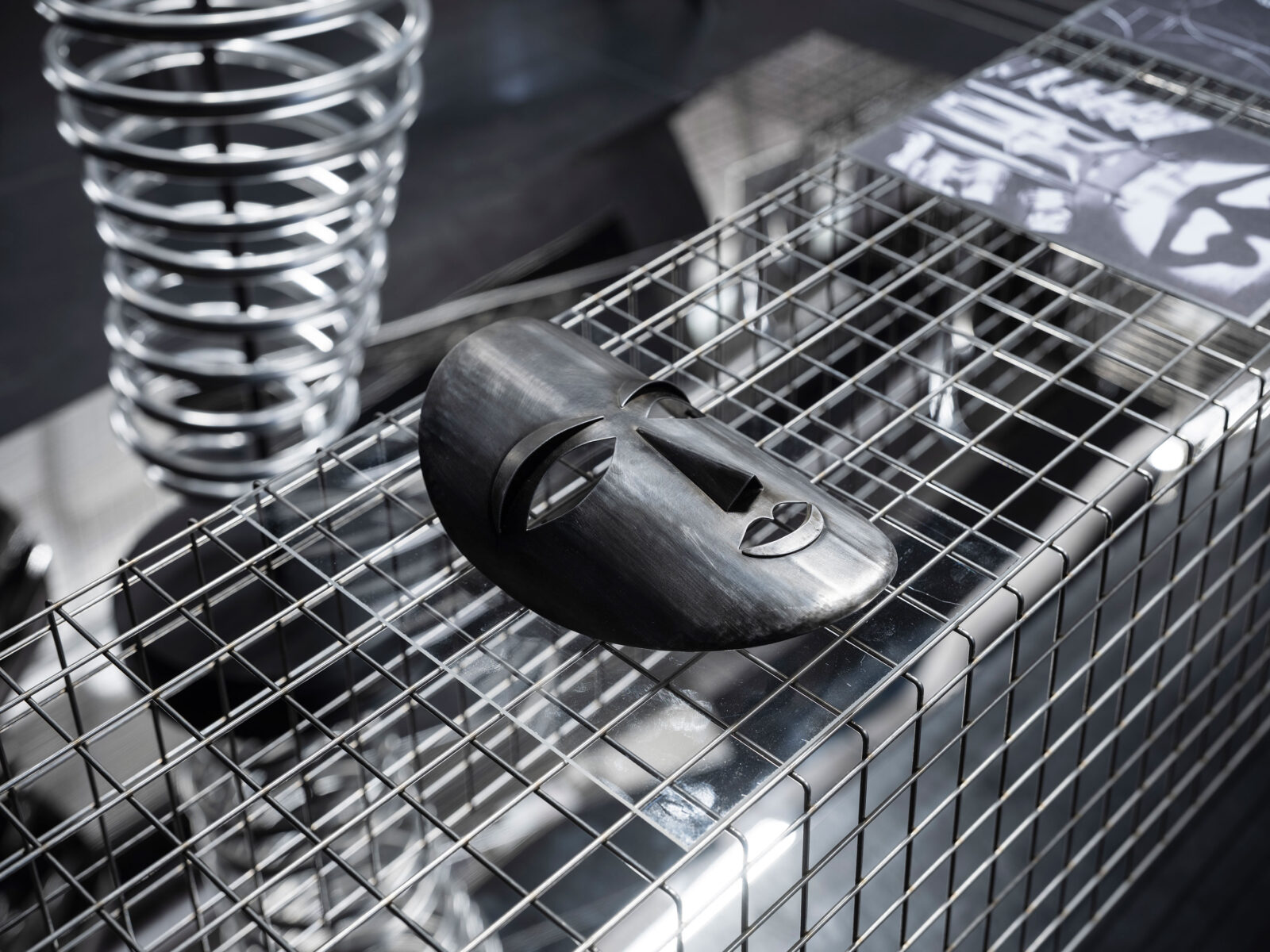
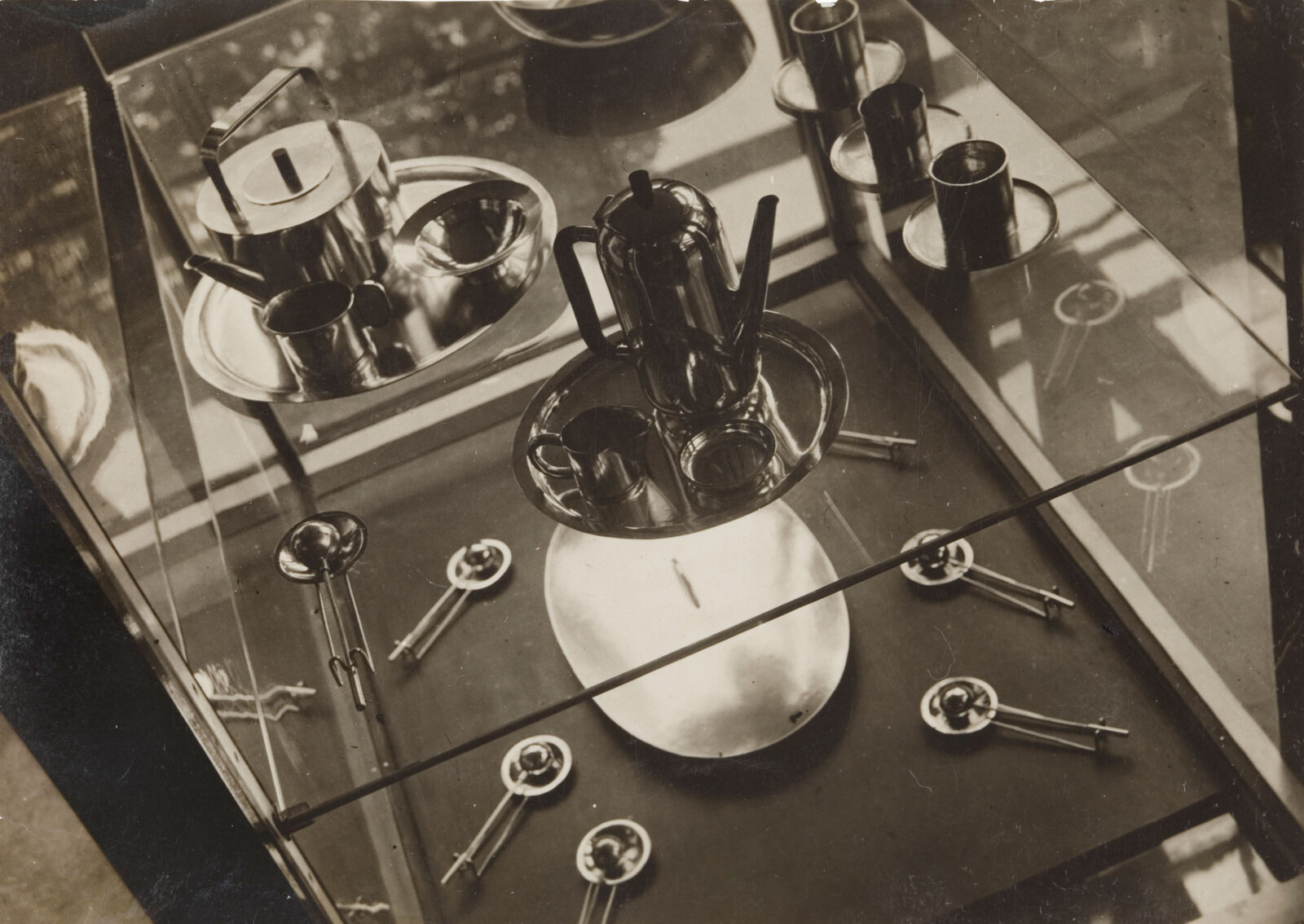
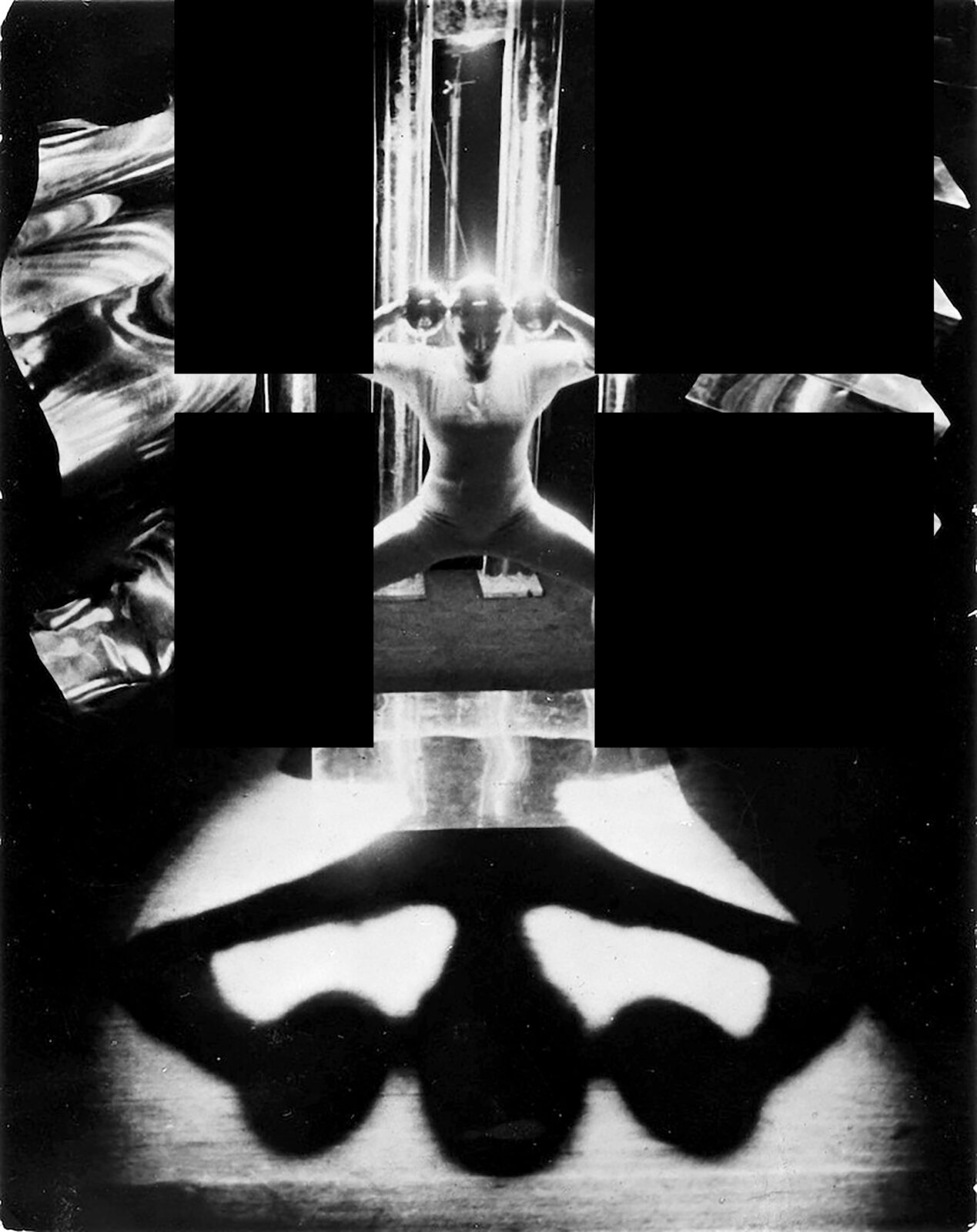
In the teaching at and products from the metal workshop, in the designs for the Steel House, and with Tanz in Metall (Dance in Metal) on the Bauhaus Stage, a new, utopian will to design unfolded as well as an orientation around the industrial product. This enthusiasm extended to others’ experiments with technology like those of the Junkers factory in Dessau.
Steel and aluminium became the preferred metals at the Bauhaus because it was now primarily concerned with designing lamps and metal furniture in keeping with the Bauhaus architecture projects. But the third section of the exhibition also shows that extracting and processing metals represented intensive exploitation of natural resources and human labour – aspects that have long been overlooked in the history of the reception of the Bauhaus.
Funders:

Media partner:

Cultural partner: