Teaching

Teaching

With its programmes, the Bauhaus Dessau Foundation offers a wide range of opportunities for artistic, scientific and research-based engagement with the heritage of the Bauhaus in Dessau as well as for education and mediation.

Bauhaus Lab

The Bauhaus Lab is an experimental format that studies and showcases a selected object from modern design history. The programme focuses on a specific object that is of interest because of its theoretical content: the interdisciplinary analysis of its material conditions, historical interconnections, speculative paths, and intellectual inspiration is in contrast to the unequivocal nature of the widespread historiography of modernity for it introduces the ambiguity and polyphony of possibilities of another version of the past and present. The three-month postgraduate programme is aimed at young professionals working in the field of architecture, design, and exhibitions. The exhibitions and publications developed during the course of the students’ joint research and field studies are a valuable contribution to an alternative, critical historiography of the Bauhaus and modernity.

Exhausted Narratives. Transgressing the “Pioneers of the Modern Movement”

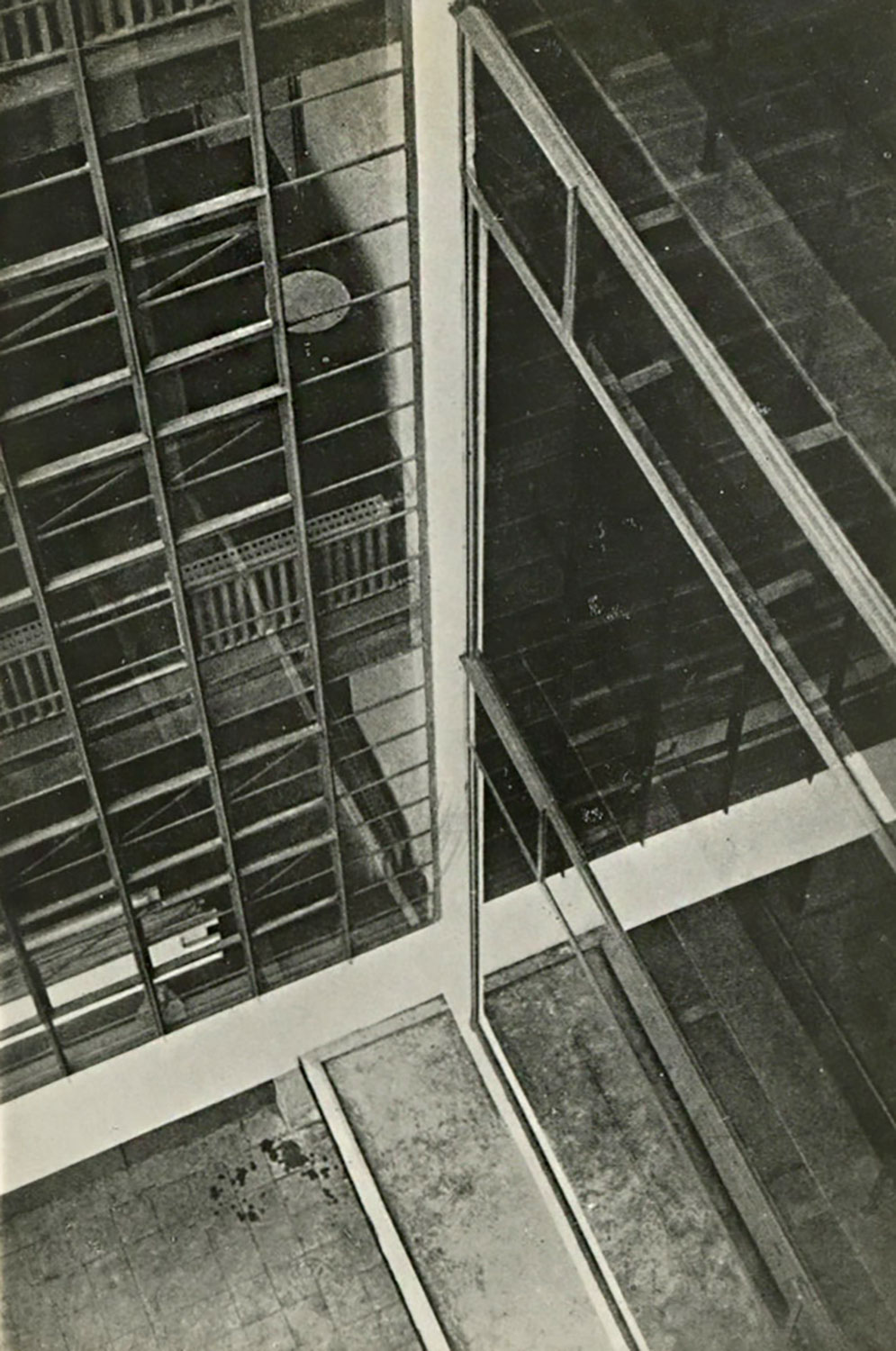
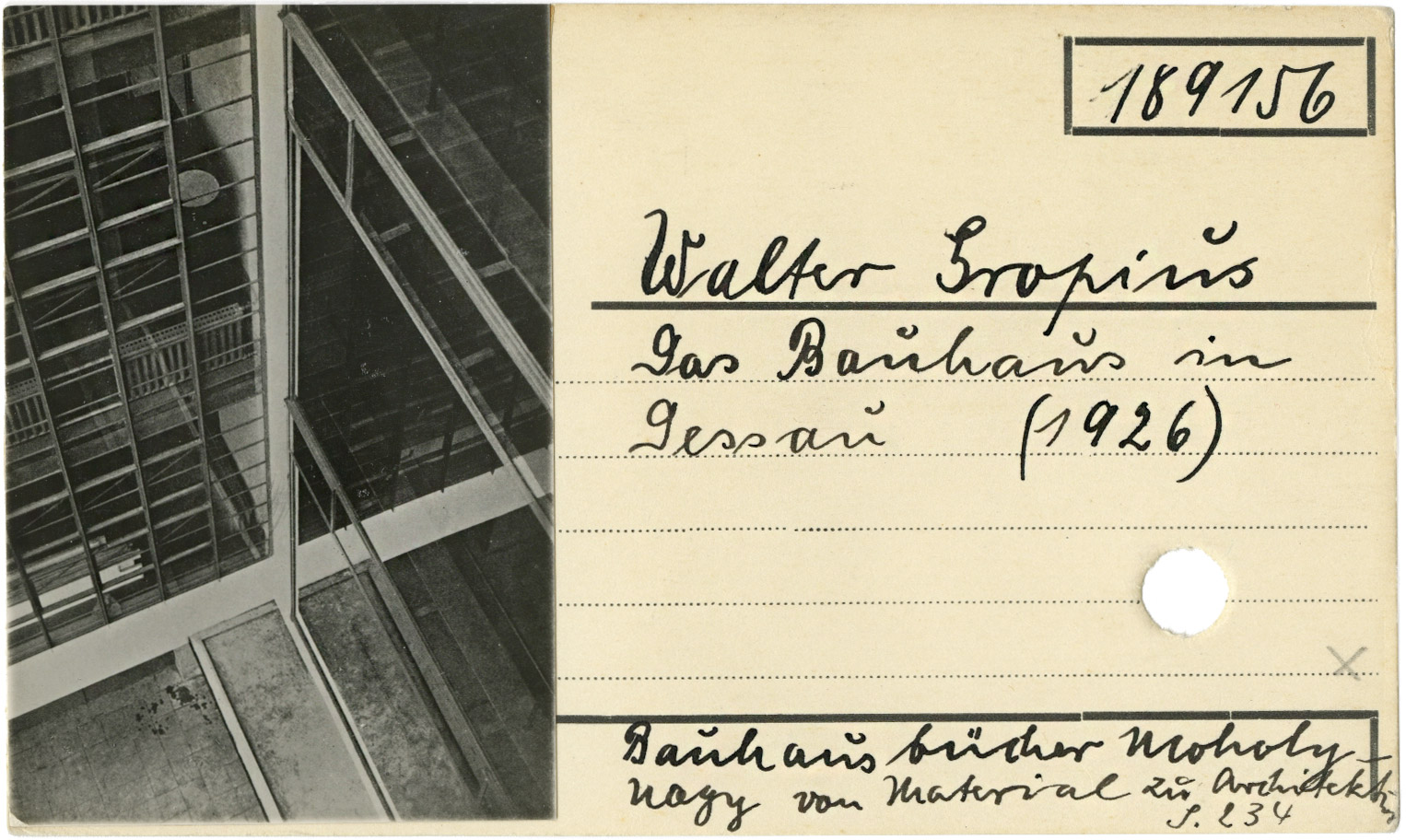
The index card with a detail photograph of the Bauhaus Building by Gotthardt Itting from the Bauhaus Archive contains a reference to László Moholy-Nagy’s book From Material to Architecture. From here, this photograph found its way into numerous publications on architectural modernism. Photographs were the source for the development of narratives in the historiography of modern architecture in the early 20th century. Key texts such as Nikolaus Pevsner’s Pioneers of the Modern Movement and Siegfried Giedeon’s Space Time Architecture followed the tradition of art history with their focus on objects and their authors. They follow a “narrative impulse,” with beginnings and ends connected by a telos, a unifying version of events in the sorting of the material. Their evidence was based on the coherence between buildings and architects. These publications contributed to the formation of a closed canon and gained great interpretive power for the Western reading of modern architecture. In 1960, Leonardo Benevolo published his standard work on architectural history with photos of the Bauhaus building undergoing repairs after its destruction in 1945. It remains unclear to what extent this work, issued internationally and in several languages, also contributed to its renovation and reopening in the GDR in 1976. In the meantime, however, the heroic narratives of modern architecture were met with massive criticism.
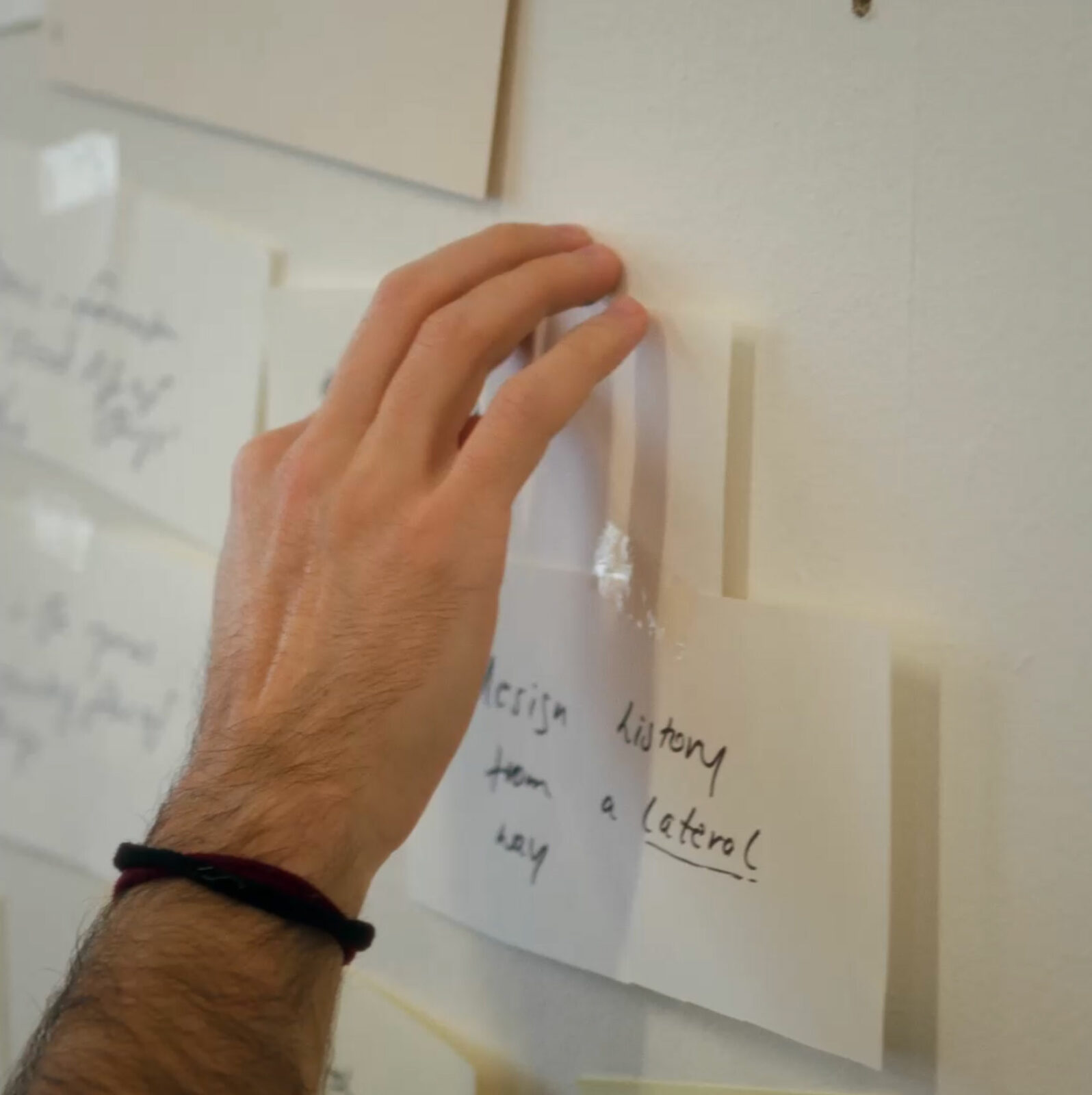
The understanding of architecture had changed just as much as that of history. The questioning of the master narrative of the genius architect created space for other forms and practices of historiography and its geographies. On the occasion of the 100th anniversary of the opening of the Bauhaus Building in Dessau, the Bauhaus Lab is examining the place of the building in the changing landscape of modern architectural historiography over a period of 50 years, from 1926 to 1976. The participants of the Bauhaus Lab will conduct research into publications, networks of actors, media, and institutions. The critical reading undertaken in the framework of the Lab programme is not only concerned with shifting conceptions of historiography, but also seeks to bring forth cross-disciplinary and polyphonic practices of engaging with complex pasts of the built environment from our present positionalities.

About the Bauhaus Lab
The Bauhaus Lab is a three-month research programme for scholars and practitioners in the fields of art, architecture, design, curating, and related disciplines. Participation is free of charge, and all participants are given 24/7 access to workspaces in the Bauhaus Building. Participants will also receive a daily allowance of 24 EUR. The programme includes field trips (within Germany/Europe); the Bauhaus Dessau Foundation will cover travel and accommodation costs for these excursions. The process of collective research will culminate in an exhibition presented in the Bauhaus Building, the opening of which coincides with the festival Ein Gebäude tritt auf (A Building enters the stage) on December 4, 2026. Participants are expected to be present on site for the entire duration of the programme, to contribute to the collective research and to meet regularly with the programme organisers for follow-up and feedback. The programme will be conducted in English.

Call for applications
The Bauhaus Dessau Foundation welcomes applications for the programme. To apply, please send a CV, a portfolio, and a letter of interest (in English) to Regina Bittner, head of the programme, by April 12, 2026: lab@bauhaus-dessau.de. All application documents should submitted as a single PDF file; documents with file sizes exceeding 10MB should best be shared via download link.
The selection process consists of two stages: First, an international jury will select a number of applications to be shortlisted; these candidates will then be invited to online interviews with the programme leads. Shortlisted candidates will be notified by April 30, 2025, and interviews will take place shortly thereafter.
Questions regarding the application and selection process, as well as the programme itself, can be directed to the email address mentioned above. We particularly welcome applications from candidates with profiles that have hitherto been marginalised in academic and cultural institutions of the global north. The Bauhaus Dessau Foundation will endeavour to assist with visa formalities for applicants from outside the Schengen area.
Research field
Global Modernism Studies
Language
English
Duration
three months
Number of participants
up to eight
Target group
Scholars and practitioners from the fields of architecture, art, design, curating, and related disciplines
Conditions
Participation is free of charge, and all participants are given 24/7 access to workspaces in the Bauhaus Building. Participants will also receive a daily allowance of EUR 24.00. The programme includes field trips; travel and accommodation costs incurred during these excursions will be covered by the Bauhaus Dessau Foundation.
Envisioned outcome
Collective exhibition in the Bauhaus Building as a contribution to the 2025/2026 anniversary programme of the Bauhaus Dessau Foundation
Provider
Academy of the Bauhaus Dessau Foundation
Application period
until 12.4.2026
Period of time
7.9. until 5.12.2026

Prof. Regina Bittner, PhD
Project leadership
bittner@bauhaus-dessau.de

Philipp Sack
Project management
sack@bauhaus-dessau.de

Open Studios

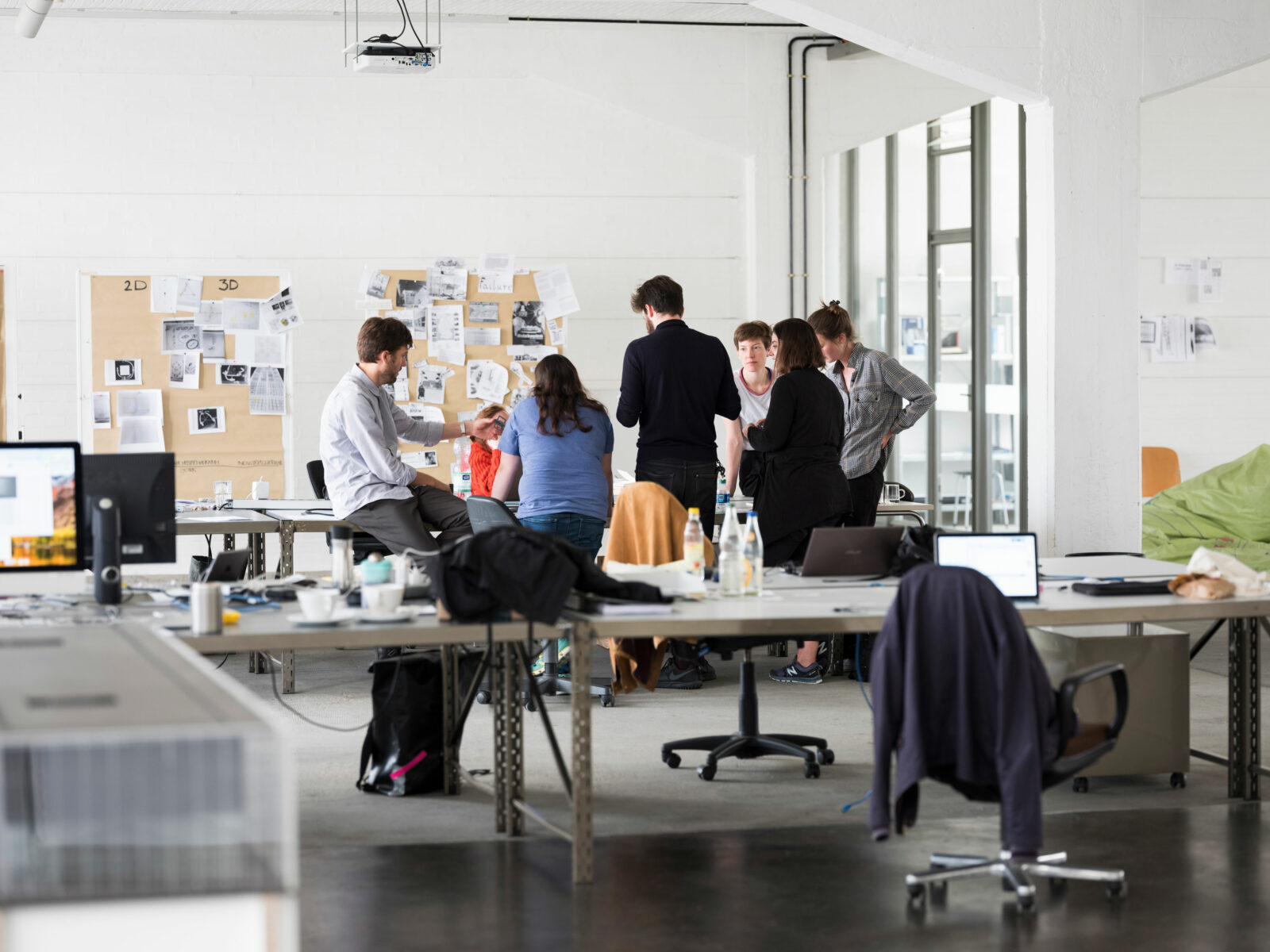
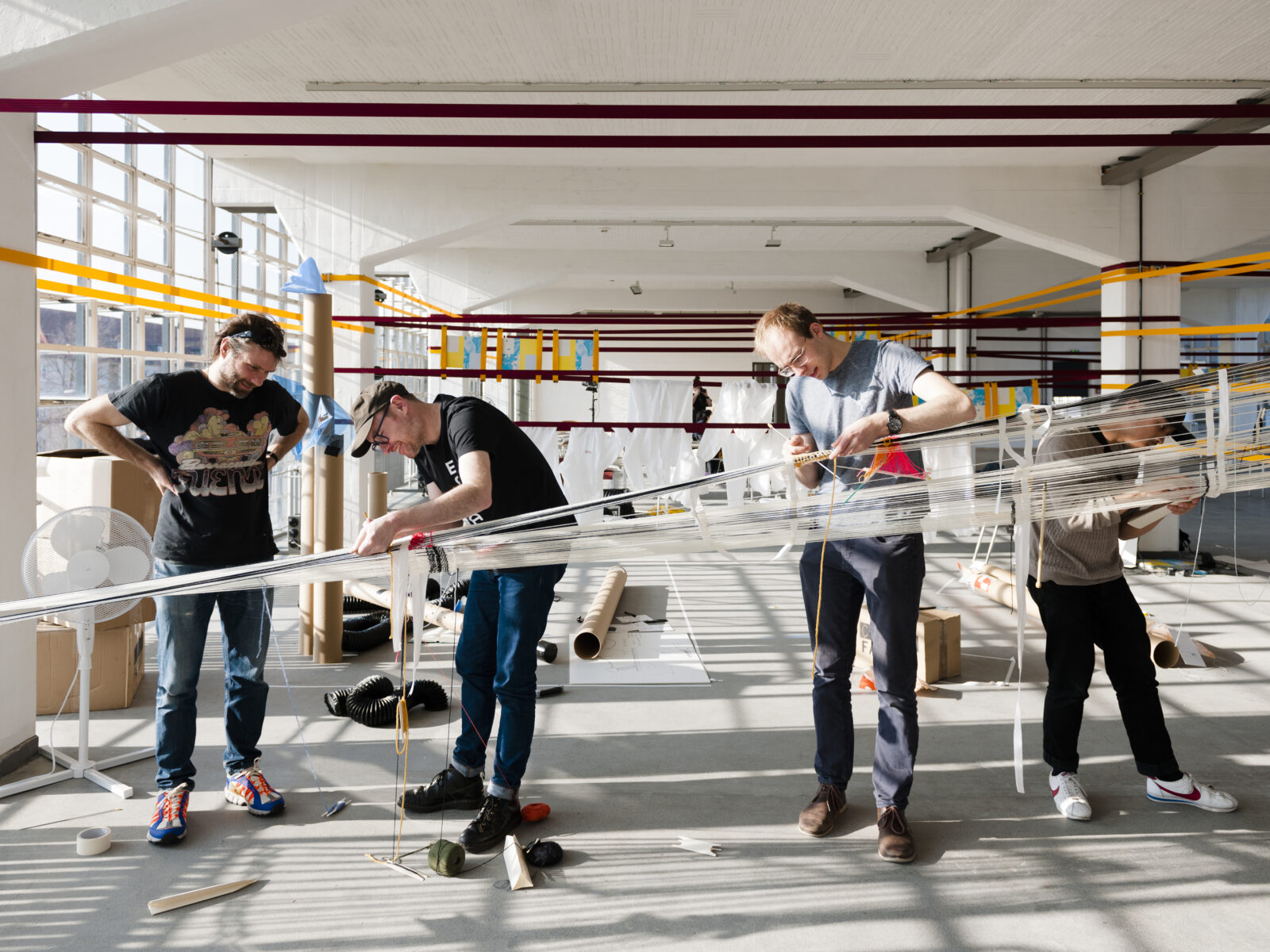
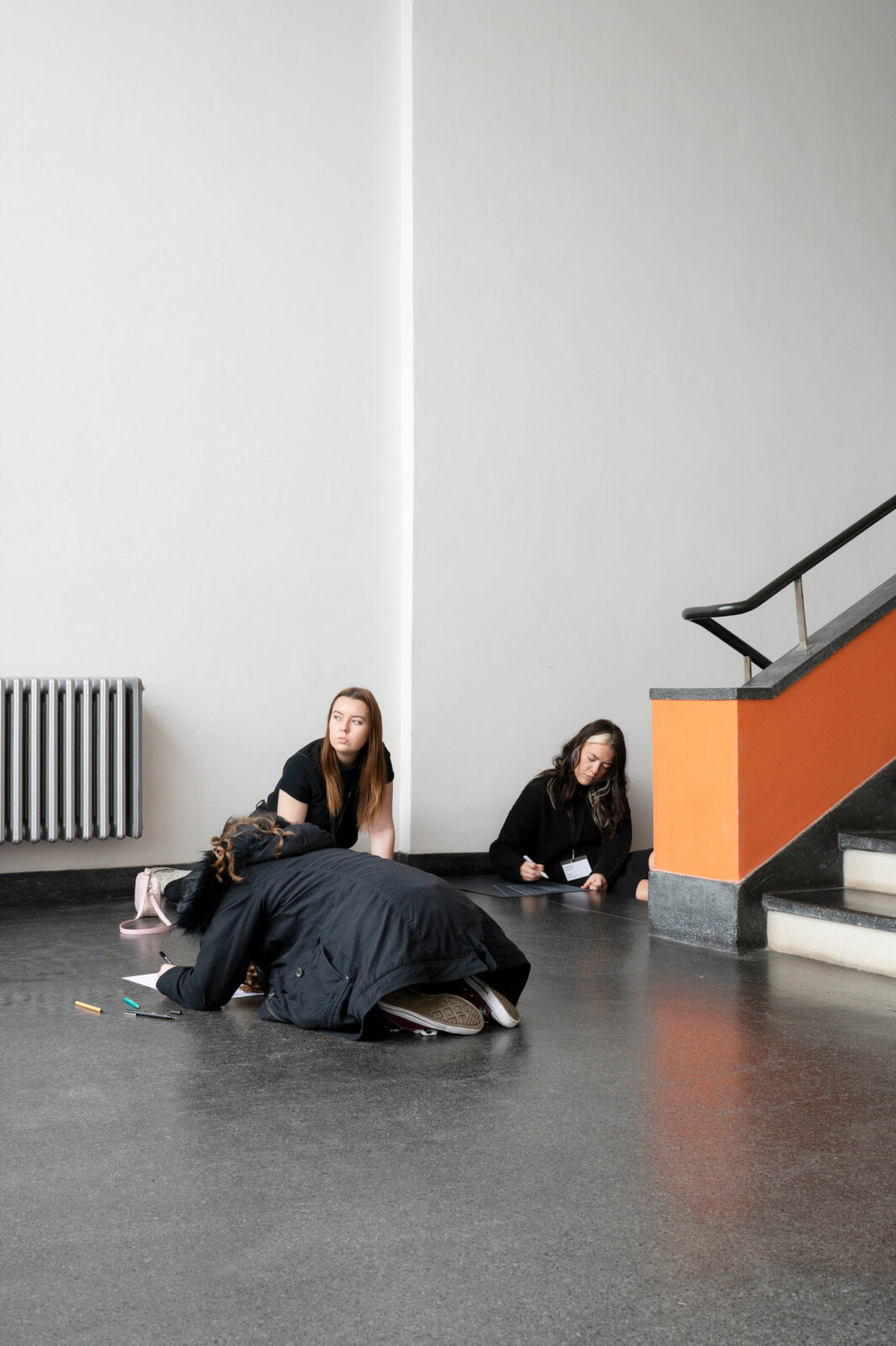
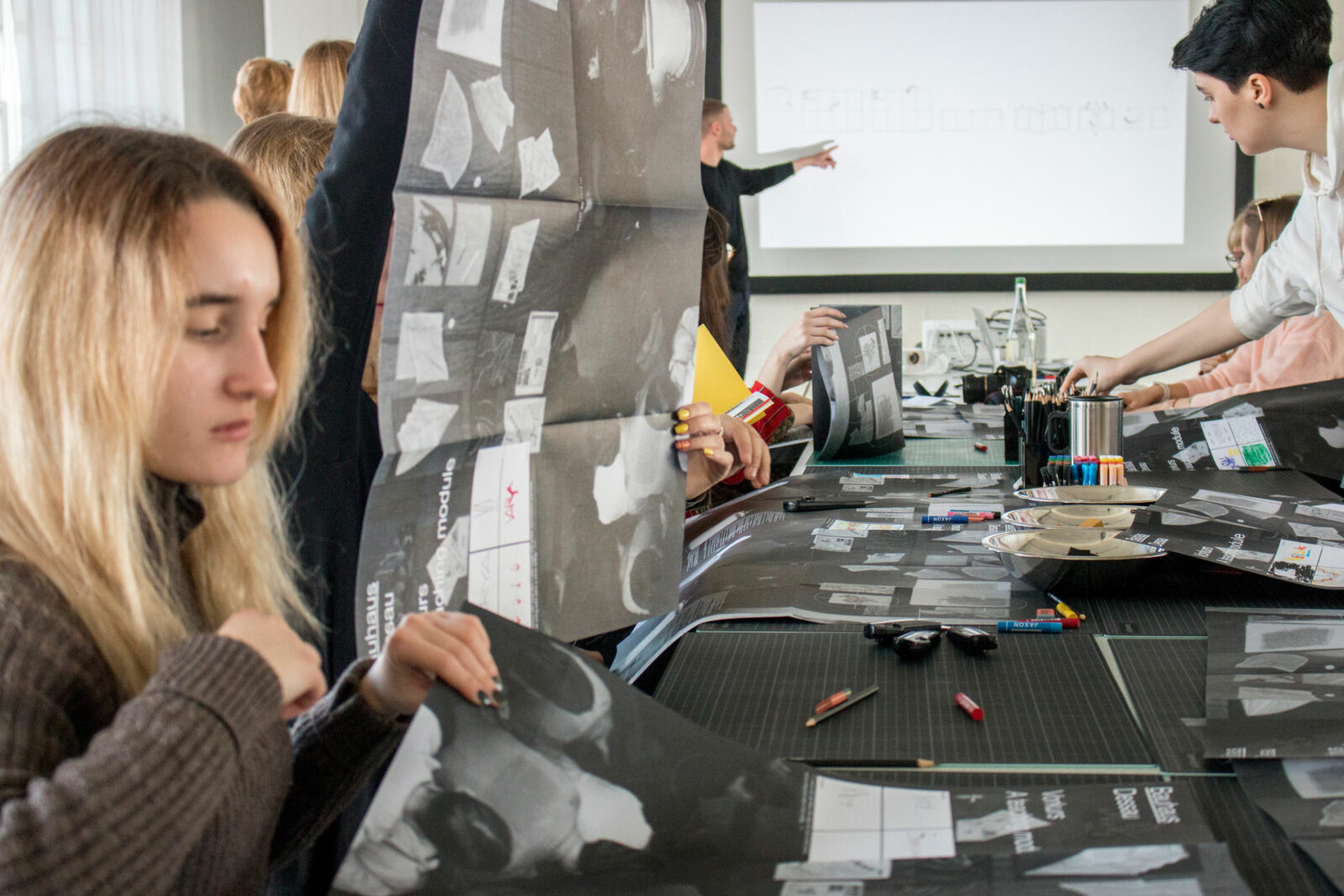
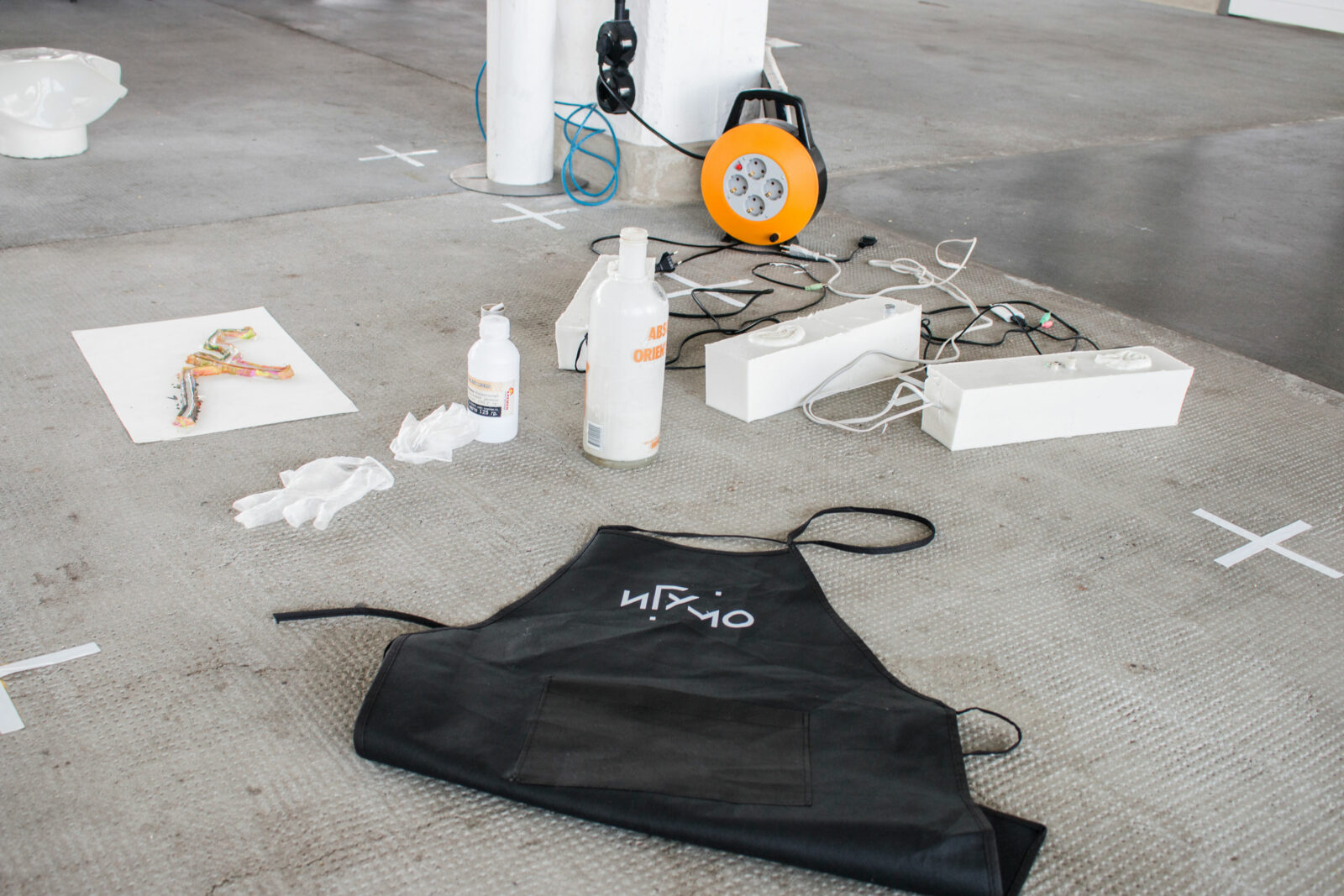
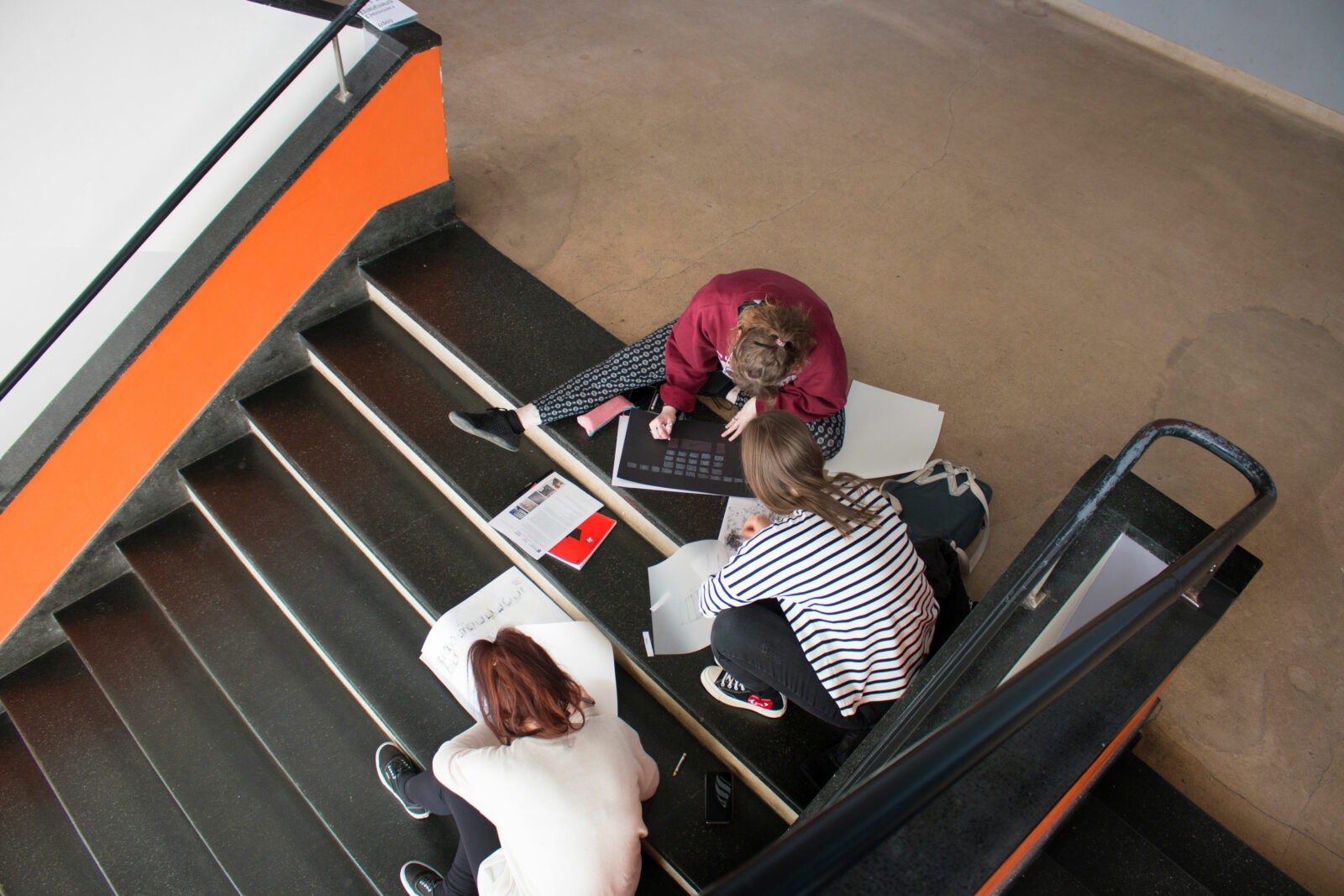
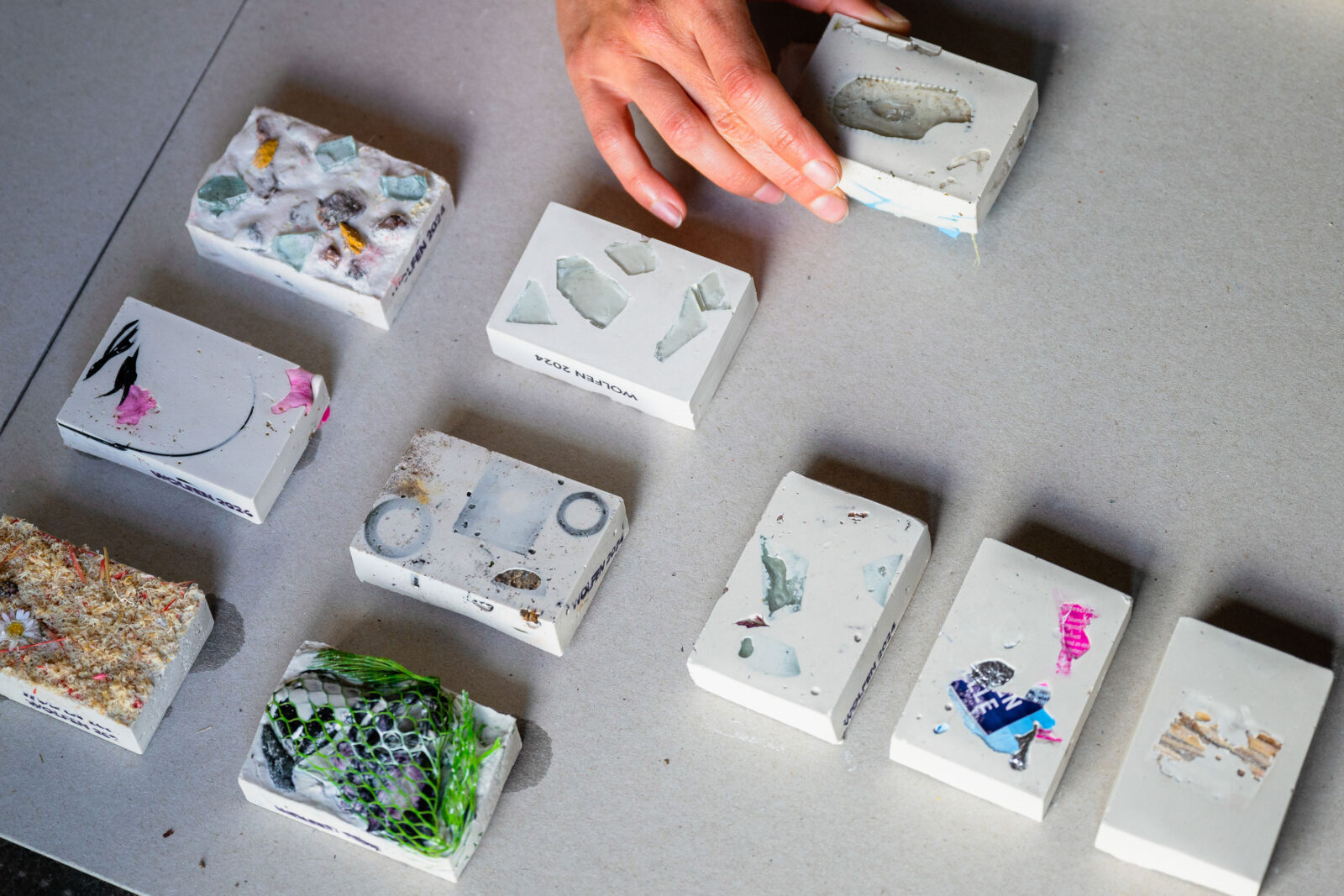
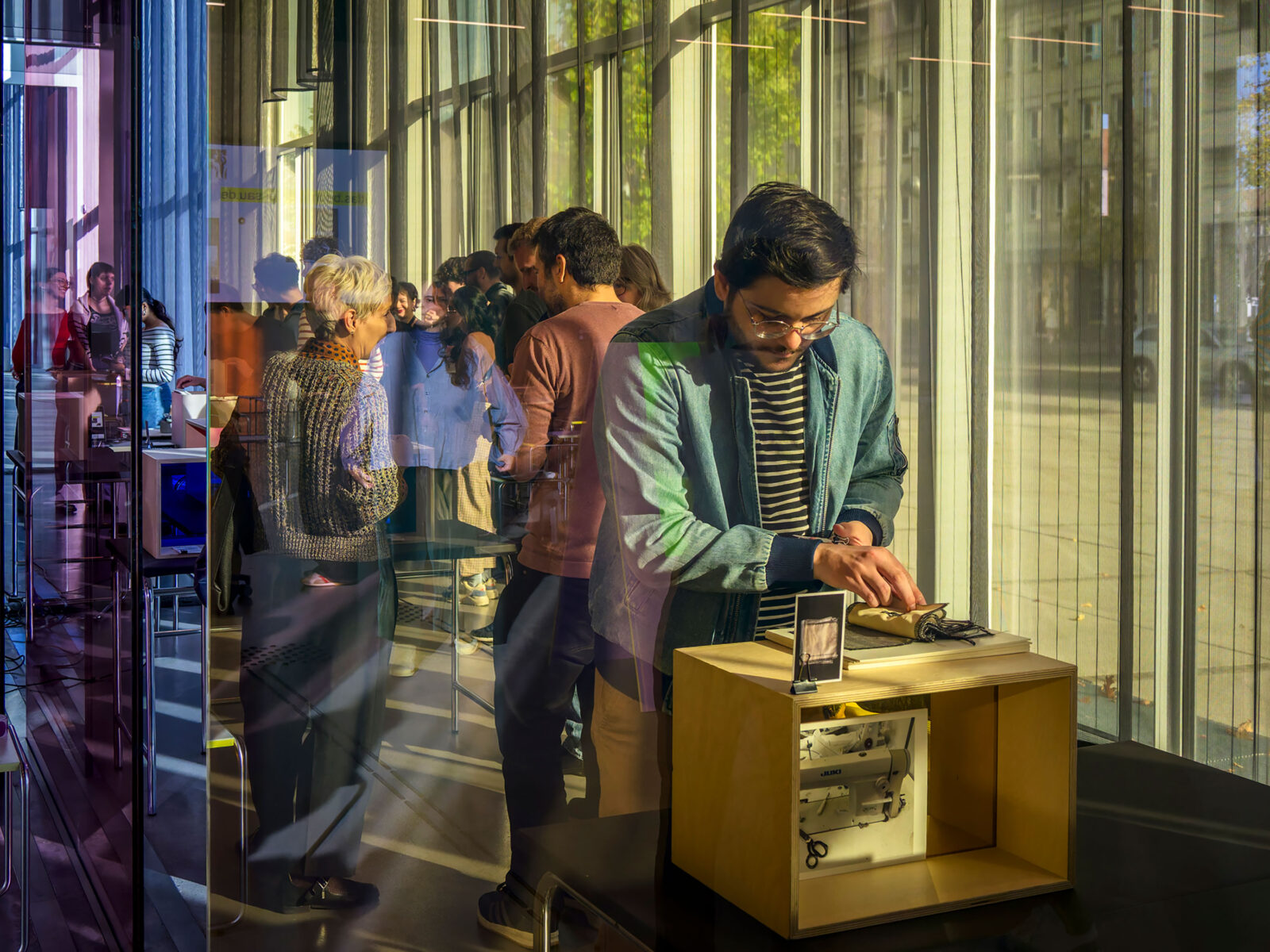
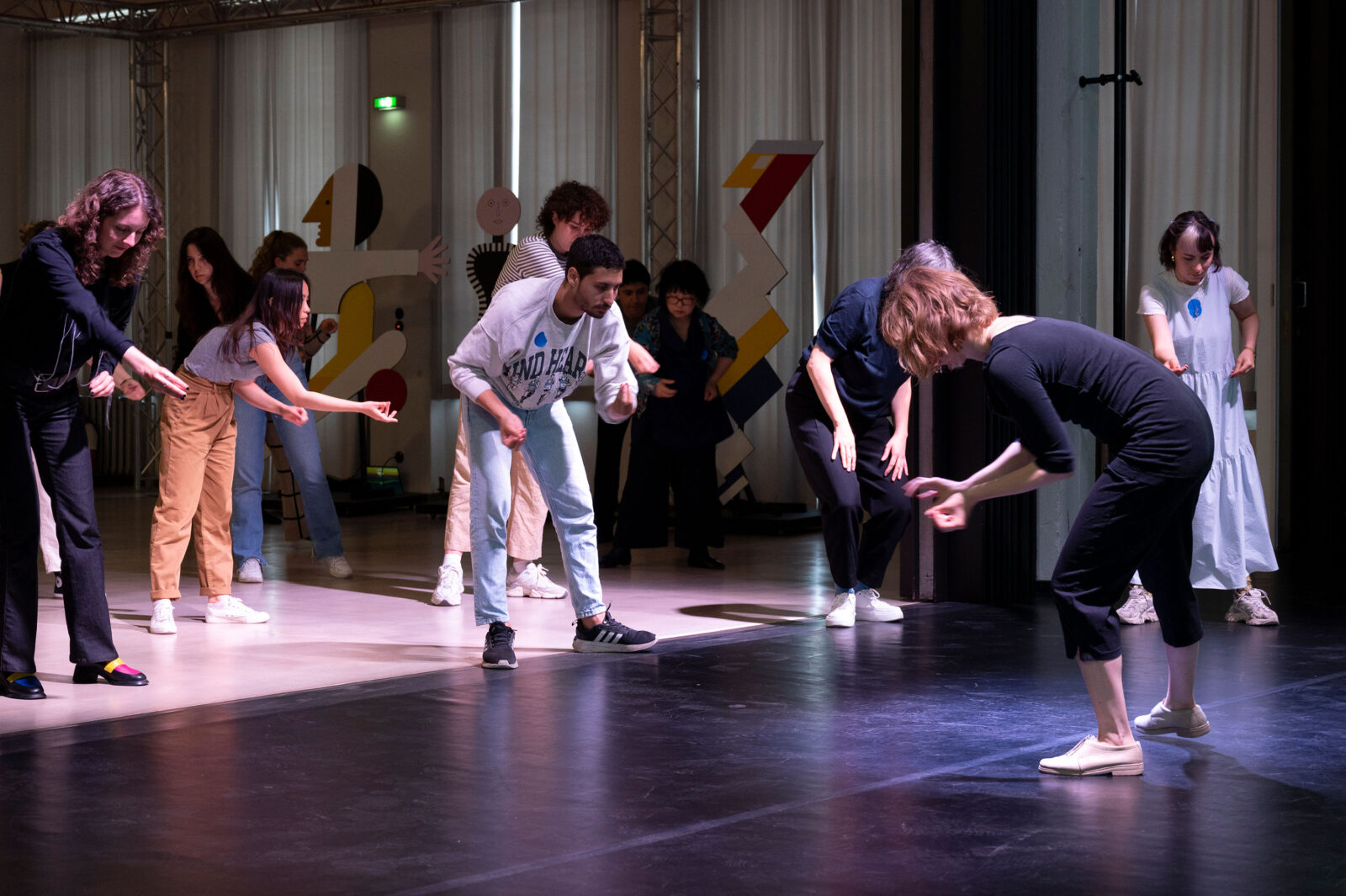
Up to and including the present day, the Bauhaus continues to be regarded as one of the most important institutions for artistic and design education. With the Open Studios – Teaching Models, the Bauhaus Dessau Foundation builds on its educational legacy. Students and teachers from universities, art academies, and educational initiatives are invited to work in the historic Bauhaus workshops, developing and applying contemporary models of creative education. Themes shift between the past and the present, taking their inspiration from both the historic Bauhaus and contemporary debates on the training of designers.

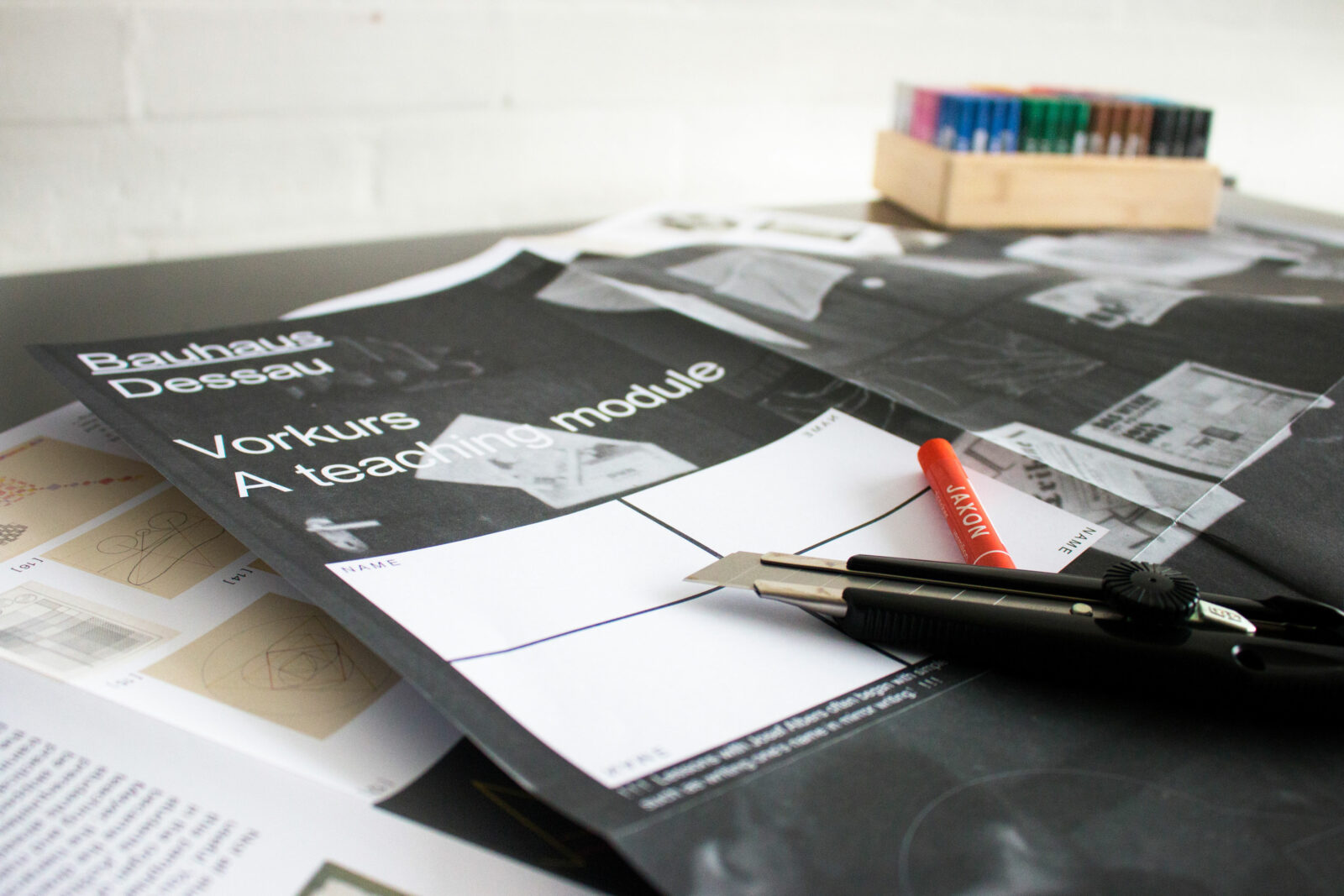
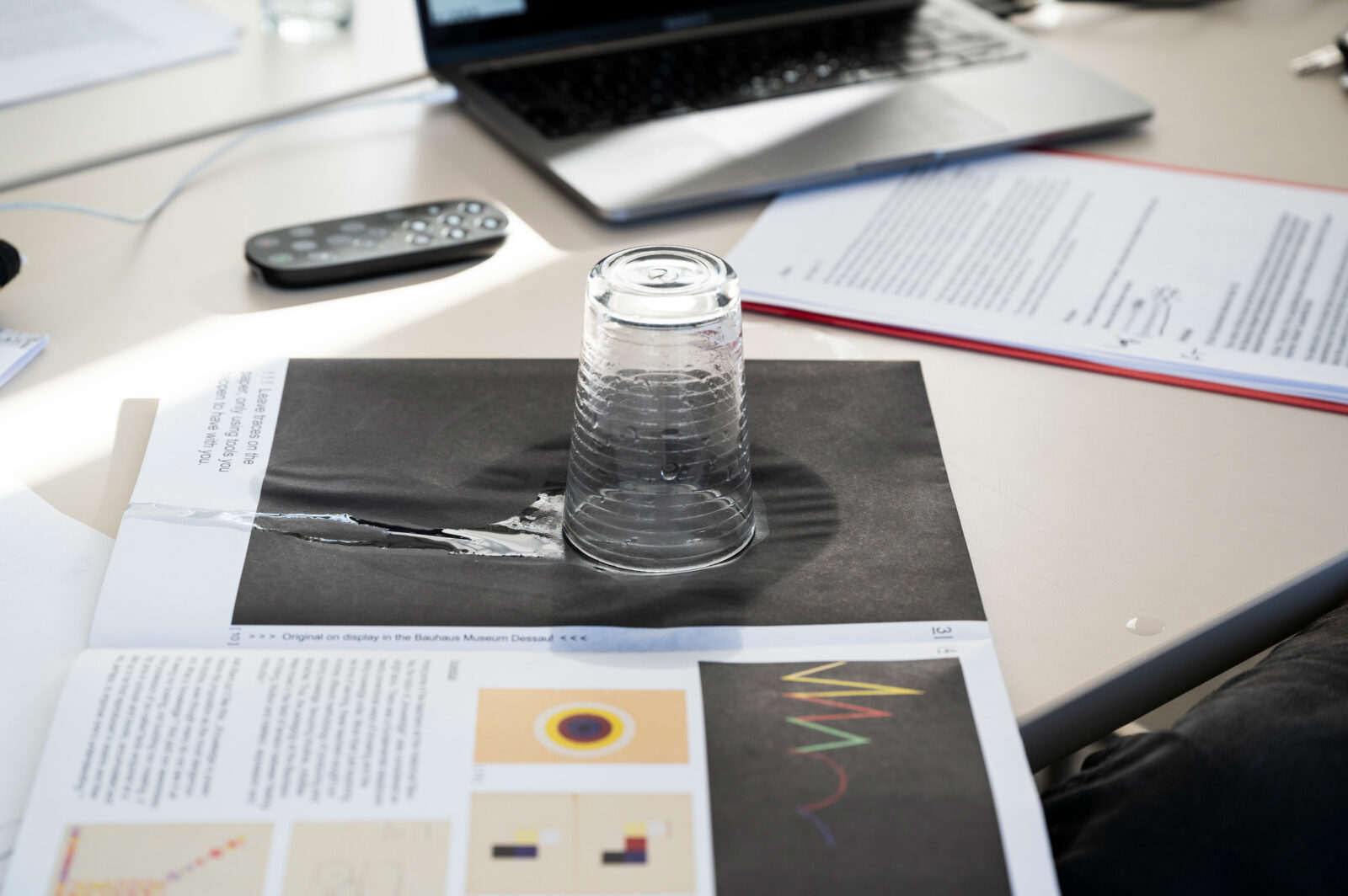
The preliminary course module of the Open Studios addresses the question of what significance the teaching models applied in the preliminary course at the historic Bauhaus have for the present day. Using selected student works taken from the Bauhaus Dessau Foundation’s collection, various historic assignments on the subjects of material, knowledge, and humankind are examined and transferred in a speculative manner. In this way, participants experience Bauhaus teaching in a multi-sensory way, and can compare it to current approaches in design education.

The preliminary course module can be conducted on site at the Bauhaus Building or digitally.

Language
English or German
Duration
2 to 7 days
Target group
International student groups in the fields of architecture or design, cultural studies or comparable degree programmes
Conditions
The Bauhaus Dessau Foundation provides a suitable room in the Bauhaus building free of charge and offers individually tailored academic support for the programme. Travelling, accommodation and material costs for the studio are to be borne by the participants themselves or financed via their university.
Provider
Academy of the Bauhaus Dessau Foundation
Application period
possible all year round for university lecturers
Period of time
Spring and autumn

The Bauhaus Dessau Foundation welcomes applications for the programme. Please send your application or questions to: klaus@bauhaus-dessau.de

Prof. Regina Bittner, PhD
Project leadership
bittner@bauhaus-dessau.de

Katja Klaus
Research associate
klaus@bauhaus-dessau.de

COOP Design Research – Master of Science

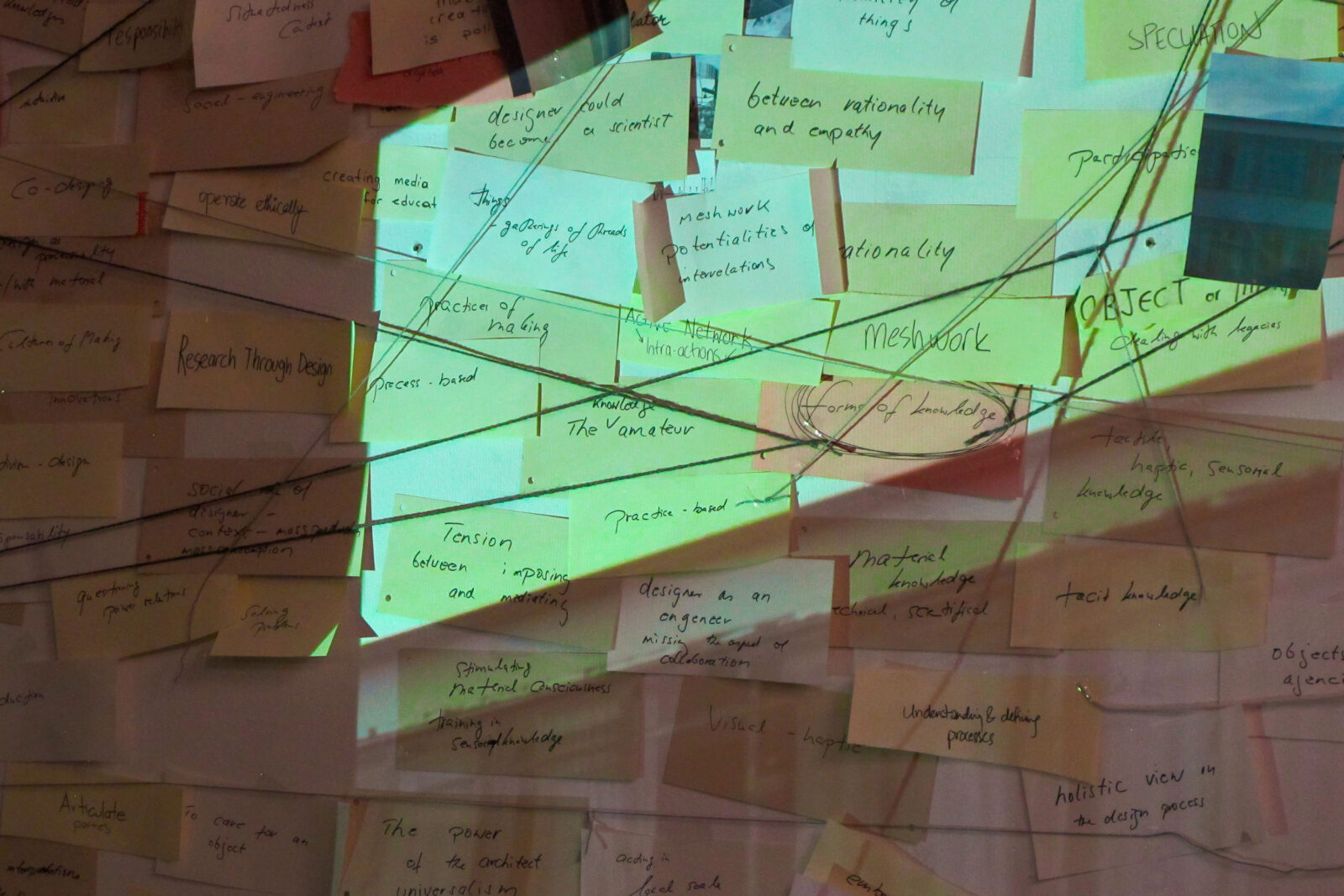
What constitutes the knowledge cultures of design? How have designers’ concepts of knowledge changed, and what are the consequences? Is designing a research activity, and how do designers “do” research?
The one-year COOP Design Research MSc integrates design and research as transdisciplinary fields at the intersection of design anthropology, material culture studies, architecture and design research, history and theory, as well as social sciences. The program critically engages with current concerns in design studies and architectural research, departing from the multiple modern legacies unfolding around the Bauhaus, as design’s status as a clearly defined discipline has been challenged along with the anthropocentric notion of its power to shape an exclusively man-made environment.

The COOP Design Research MSc is a collaborative program offered by the departments of Architecture and Design at Anhalt University of Applied Sciences and the Bauhaus Dessau Foundation, in cooperation with Humboldt University Berlin (Research Cluster Matters of Activity / Department of Cultural History and Theory). Courses and thesis supervision are jointly provided by professors and lecturers affiliated with the three institutions as well as international guests.
The Master of Science degree in Design Research opens pathways in academic research and teaching and provides a foundation for potential doctoral studies. Equally, it charts avenues towards reflexive architectural and design practice as well as in the curatorial field and cultural production.

Qualification
Master of Science
Language
English, thesis can also be written in German
Duration
two semesters (60 ECTS)
Contents
Design research
Target group
international students
Costs
tuition fees EUR 1,250.00 per semester
Admission requirements
Bachelor (240 ECTS) or Master’s degree in architecture or design, cultural studies, or comparable study courses or at least one year’s work experience
Provider
Bauhaus Dessau Foundation and the Anhalt University of Applied Sciences, in collaboration with the Humboldt University of Berlin
Application period
16 December 2025 to 15 May 2026
Study period
1 October 2026 to 30 September 2027

Prof. Regina Bittner, PhD
Bauhaus Dessau Foundation
bittner@bauhaus-dessau.de

Dr. Vera Lauf
Stiftung Bauhaus Dessau
lauf@bauhaus-dessau.de

Prof. Dr. Elke Beyer
Hochschule Anhalt
info@coopdesignresearch.de

Cooperation partners

Study Rooms

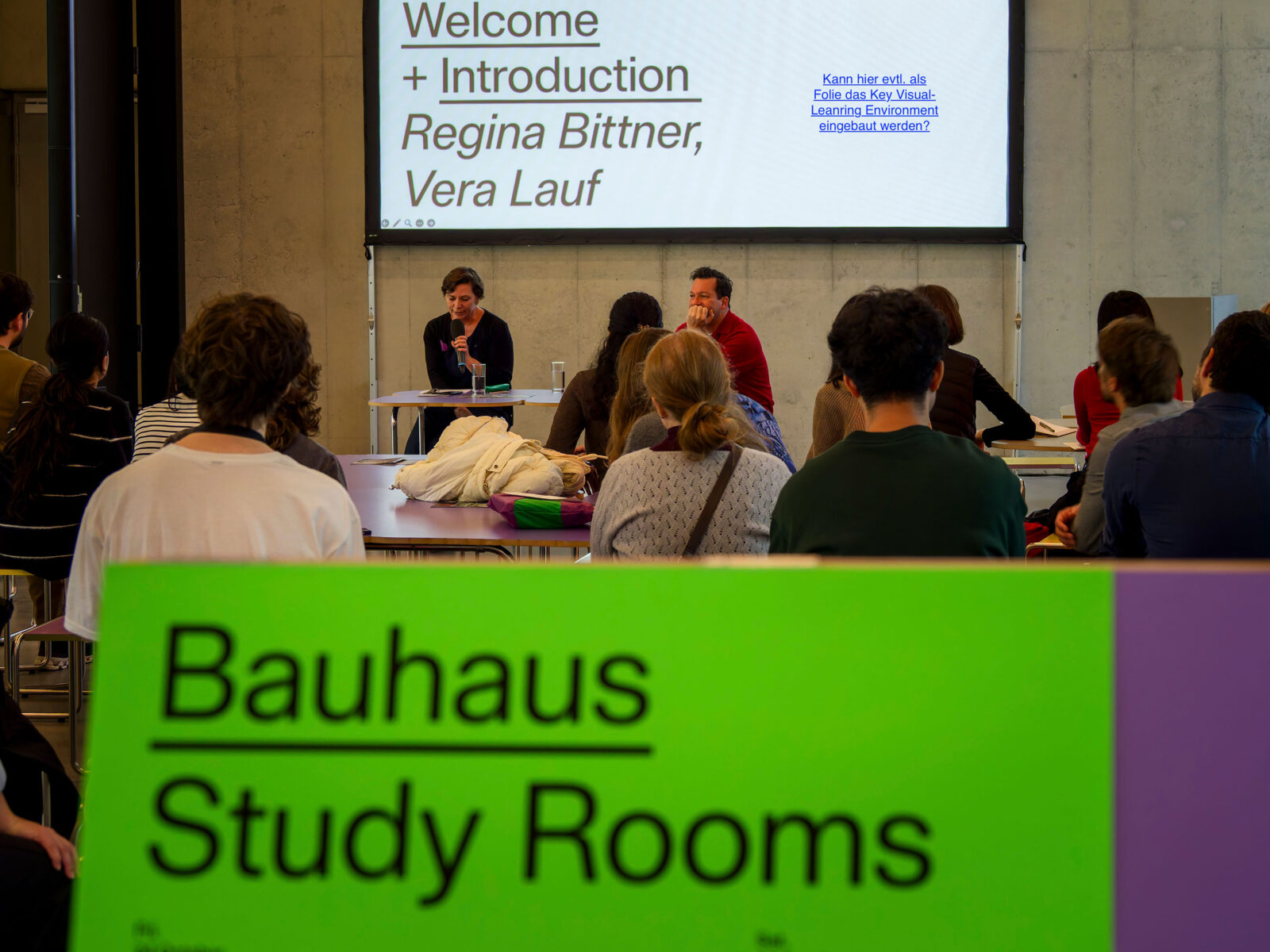
Every year, over a hundred people from all over the world are directly involved in the various educational programmes of the Bauhaus Dessau Foundation: The Bauhaus Study Rooms offer graduates of the Bauhaus programmes an opportunity to network and at the same time address an interested local and international public. They create temporary transversal learning spaces in which the conditions of collective knowledge production can be explored and experienced. In experimental workshops, round tables and tours, current issues of the foundation are discussed from the perspective of the various programmes.

Vera Lauf, PhD
Research associate
lauf@bauhaus-dessau.de

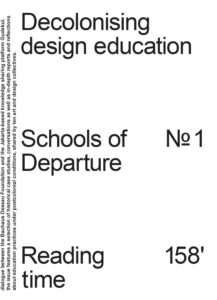
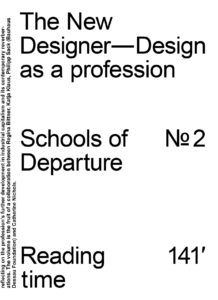
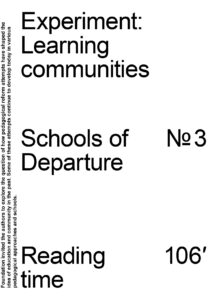
Schools of Departure – A digital Bauhaus atlas for co-editing

What knowledge do architects and designers need? How have study programmes, job profiles and curricula developed worldwide? The Bauhaus Dessau Foundation has developed a digital atlas entitled “Schools of Departure” that seeks answers to these questions. The role played here by the Bauhaus and other prominent school experiments is reflected in the atlas in a variety of ways. In short portraits, photo essays, case studies, historical film sequences and journal articles, reform-oriented educational concepts that have shaped design education around the world over the last 100 years are brought together.

As part of a one-year project funded by the Ministry of Infrastructure and Digital Affairs of the State of Saxony-Anhalt in 2021 and a grant from the German Federal Cultural Foundation, this digital atlas has been developing since 2022 as a constantly growing network that brings together research on the global interrelationships of the Bauhaus with other reform projects in design education in the 20th and 21st centuries. Instead of assuming the “influence” and the Bauhaus as a “centre” with movement into the non-European “periphery”, the atlas makes a variety of interdependencies and parallel developments visible.

The digital atlas depends above all on user participation: In the “Notes” online communication area, users are given the opportunity to edit content, supplement research and prepare data material. The digital atlas is aimed at students, teachers, academics, curators and Bauhaus researchers.

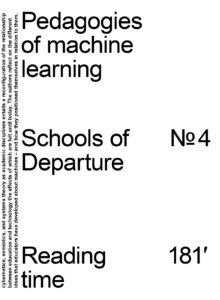
In addition, an annual e-journal will be launched in the atlas. The fourth issue of the journal “Machine learning” focuses on the relationship between design education and technology. The belief in knowledge, technology and progress emerged primarily in the second half of the 20th century in the form of a large-scale wave of cybernetisation in universities and research institutions. The journal contains historical and contemporary articles on particularly technology-orientated school experiments and designers and the different ideas they developed about machines.

The e-journals are published in the Digital Atlas in German and English and are published in a paperback edition by Spector Books Leipzig.

The current 4th e-journal on “Pedagogies of machine learning” is available online.

In a series of essays, interviews with contemporary witnesses, photographic and film documentation of archive materials, international school experiments are presented and mapped in the network. Modern mapping techniques create a dynamic spatial visualisation of data sets on art and design schools after the Bauhaus. They illustrate to users in which way, in which institutional forms and in which particular local or geopolitical context aspects of Bauhaus pedagogy were translated and thereby further developed. The design and programming of the platform was the responsibility of the “Offshore Studio” from Zurich. A graphic user interface was developed that is characterised by an experimental, at the same time memorable and intuitive design.

Consequently, the project can open up entirely new narratives on the cultural impact of the Bauhaus as a pedagogical model. Instead of assuming the “influence” of the Bauhaus and the Bauhaus as a “centre” with movement to the non-European “periphery”, the digital atlas makes the manifold interconnections visible.

Schools of Departure is aimed at students, teachers, academics, curators and Bauhaus researchers from Germany and abroad as well as at a general audience interested in culture. In addition to the open application on the online platform, the atlas will also be used in the educational programmes of the Academy of the Bauhaus Dessau Foundation (Bauhaus Open Studios, Bauhaus Master Programme Coop Design Research, Bauhaus Lab). Within the framework of existing and future project collaborations, external young academics and students can also be invited on an ad hoc basis to edit content, supplement their own research and curate data material using the visualisation tool in order to generate thematic online presentations for the digital atlas. Thanks to funding from the German Federal Cultural Foundation, the digital atlas will be supplemented by two editions of an e-journal as well as further educational modules.

The project Schools of Departure was funded by the Ministry of Infrastructure and Digital Affairs of Saxony-Anhalt as part of the Digital Agenda for the State of Saxony-Anhalt. Travelling Concepts: Art and Design Education Beyond the Bauhaus is being developed as part of “dive in. Programm für digitale Interaktionen” of the German Federal Cultural Foundation, funded by the Minister of State for Culture and the Media (BKM) in the NEUSTART KULTUR programme.

sponsored by:

Katja Klaus
Project managers
klaus@bauhaus-dessau.de

Philipp Sack
Research associate
sack@bauhaus-dessau.de