Out of the Display Case: Tubular steel chairs in wide use
Out of the Display Case: Tubular steel chairs in wide use
Object Talk
Out of the Display Case: Tubular steel chairs in wide use
9 Sep 20266 pm
Bauhaus Museum Dessau
Based on a folding chair design by Bauhaus artist Alfred Arndt, this edition of “Out of the Display Case” explores the global fascination with tubular steel furniture.
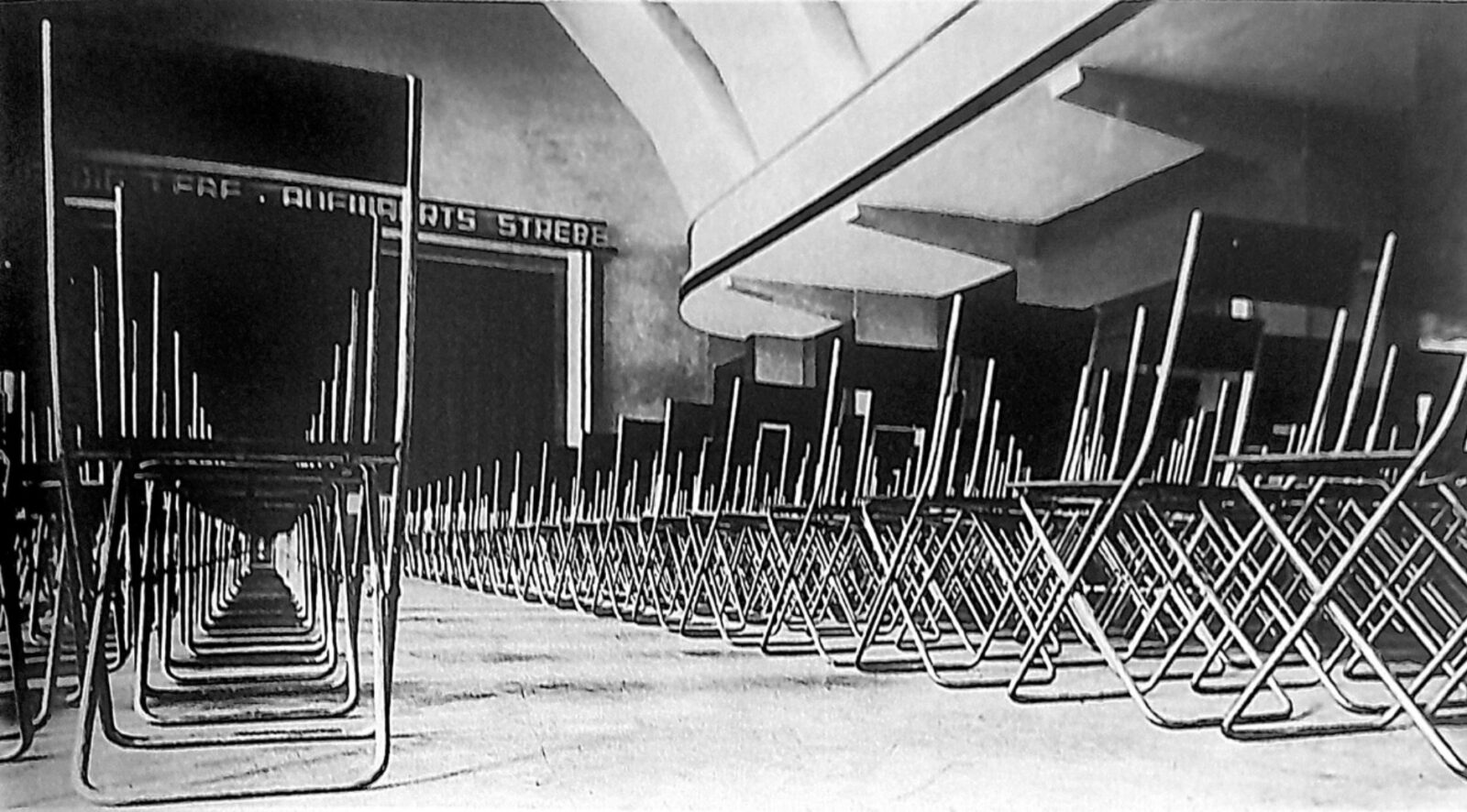
In 1928, Bauhaus student Alfred Arndt designed a folding chair for the “Haus des Volkes” in Probstzella, which he had also designed. Like the attempt to create a socially emancipatory culture of education and recreation, the furnishing of public spaces with metal furniture did not become a mass phenomenon. Nevertheless, the aim of marketing functional and affordable tubular steel furniture – not just to private customers – gradually took shape around 1930.
Andreas Butter, of the Bauhaus Dessau Foundation, traces a picture of the worldwide fascination with the gleaming chrome cantilever chair – caught between avant-garde aspirations, fashion trends and pragmatism – by comparing Arndt’s design with chair models by Marcel Breuer, Mart Stam and others. Against the backdrop of the prevailing ideologies, the question is raised as to how widespread its use really was in restaurants, theatres and lecture theatres.
Language: German
Related events

Object Talk
Out of the Display Case: A promotional film for Dessau
7 Oct 20266 pm
Bauhaus Museum Dessau