Welcome
Theresia Ilchmann, Bauhaus Dessau Foundation
The Unpredictability of Materials in the Törten Experimental Housing Estate
Sven Gesse, freelance employee at Bauhaus Dessau Foundation
The experimental houses in Törten were the subject of studies into the use of different materials, which were scientifically analysed and documented. The report by the Reichsforschungsgesellschaft on the Törten housing estate includes a section entitled “Building materials, construction methods and components”. Reflecting the spirit of the 1920s, the focus was primarily on cost and time efficiency in the use of new materials and technologies.
Digital lecture:
Simple Building! Research Buildings 1–3 in Bad Aibling and the large scale
Florian Nagler, Florian Nagler Architects
In 2020, three residential buildings were completed in Bad Aibling, originating from a research project at the Technical University of Munich. The project explored how to respond, in terms of planning, to increasingly complex construction processes. The answer is “Simple Building”, which is conceived as a holistic strategy for energy-efficient, straightforward construction.
Interaction:
Hemp-based products
Ivette and Susanne Bartholomé, Hanffaser Geiseltal eG
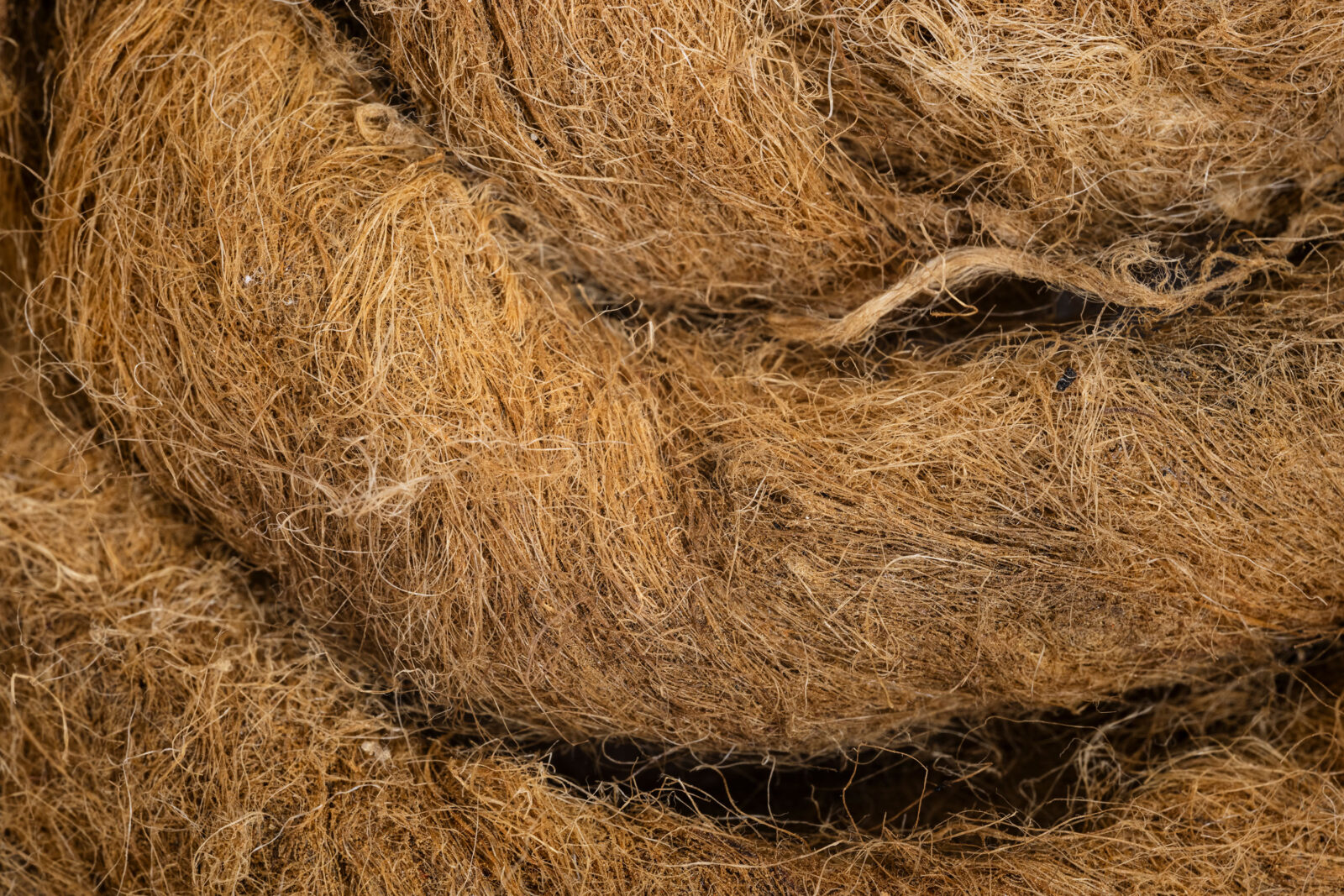
The Hanffaser Geiseltal co-operative produces sustainable building and insulation materials from hemp. Grown locally and processed in Saxony-Anhalt, the products promote healthy building and contribute to a climate-friendly transition in the construction sector. In this Friday group session, Ivette and Susanne Bartholomé will introduce us to the versatility of hemp.
Food and drink
Urban Farm Dessau
Plants are structurally perfect creations, displaying astonishing structural integrity and aesthetic beauty. Architecture has often taken its cue from the structures found in nature, whether in the case of columns, supporting structures or façades. Processing the fruits of plants requires specialised technologies: pressing, drying, steam juicing … In this Friday group session, we will focus on elderberries as a subject through which exemplary design and technology can be illustrated.
Impulse 1:
Building with GIMA clay bricks
Björn Klug, GIMA Girnghuber GmbH
The long-established company GIMA Girnghuber GmbH in Marklkofen, Bavaria, has been making valuable contributions to building culture for four generations. In 2025, the German Institute for Building Technology granted GIMA general type approval for load-bearing clay brickwork using the thin-bed method. At the same time, the unfired GIMA high-perforation clay bricks received building authority approval. As a result, the clay brick can be used without restriction for all buildings up to building class 5.
Impulse 2:
Basalt: sustainable, environmentally friendly and profitable
Georgi Gogoladze, Deutsche Basalt Faser GmbH
Since 2008, Deutsche Basalt Faser GmbH in Sangerhausen has been manufacturing continuously drawn basalt fibres from molten volcanic rock. The products, which offer significant advantages over steel reinforcement, glass fibres and carbon fibres – particularly in terms of corrosion resistance, tensile strength, and resistance to temperature and UV radiation – are used in a wide range of applications across the shipbuilding, aerospace, architectural and textile industries.
Discussion:
Technology versus sustainable building?
with Barbara Steiner, Bauhaus Dessau Foundation, and the participants
Walter Gropius spoke of reinforced concrete and glass as new materials that had superseded the old ones, such as clay and timber. Clay and timber buildings seemed unsuitable for industrial-scale construction; they were not modern. Today, the potential of timber and clay for mass housing construction is recognised. Does building with natural materials of plant, animal or mineral origin rule out technological applications, or does it also open up new opportunities for industrial production? Does the use of technology help to save energy and resources?