Invisible Bauhaus Dessau (Bauhaus Taschenbuch 31)
Invisible Bauhaus Dessau (Bauhaus Taschenbuch 31)
Invisible Bauhaus Dessau (Bauhaus Taschenbuch 31)
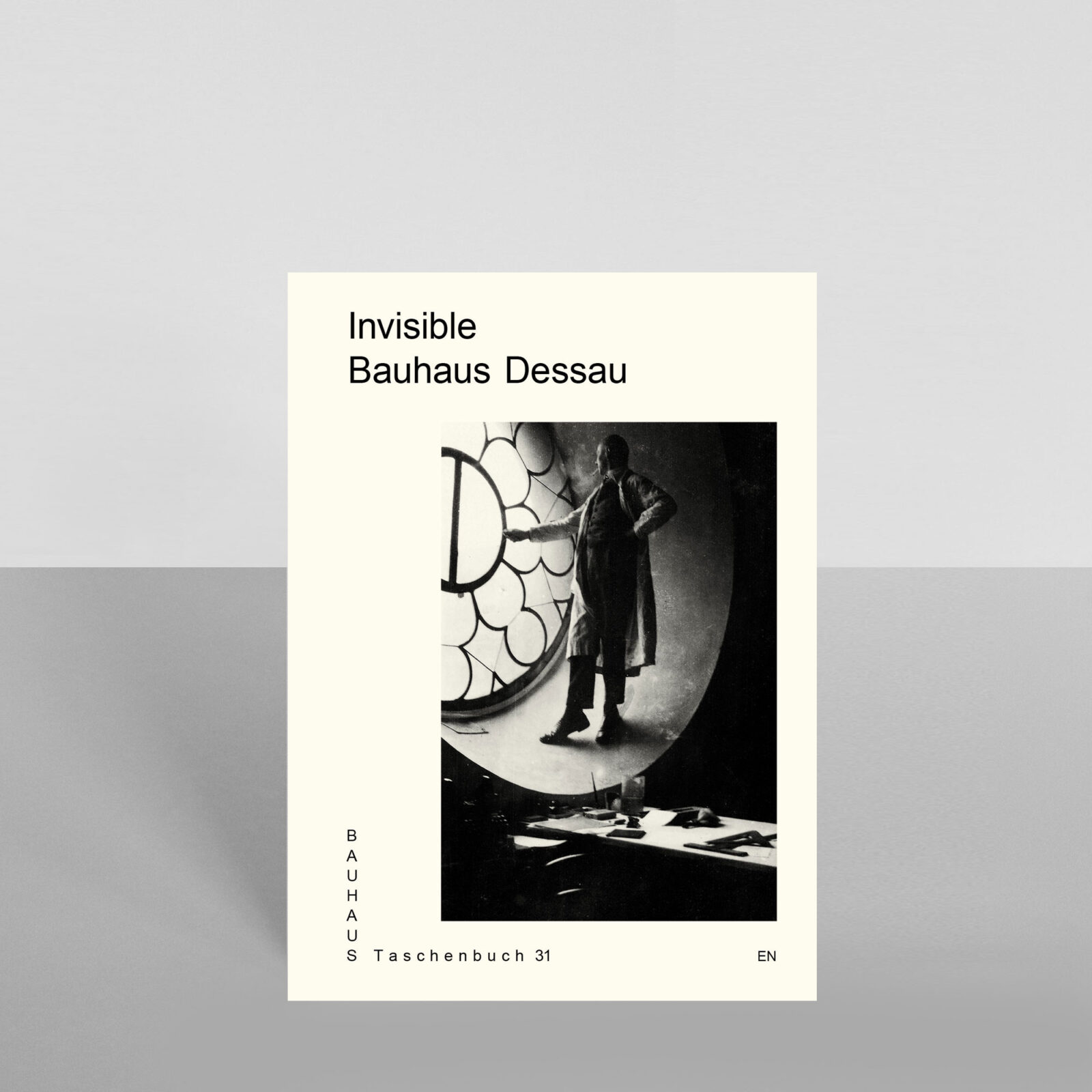
‘This situation could present opportunities for the development of the city of Dessau that are unlikely to arise again.’ This summary by Dessau‘s mayor Fritz Hesse in response to the closure of the State Bauhaus in Weimar proved to be true in many respects. In 1925, the Bauhaus moved to the up-and-coming industrial city of Dessau and also underwent a strategic change, in line with the slogan ‘Art and Technology – A New Unity’. Even before the school building and the Masters‘ Houses were inaugurated, the Bauhaus members set up their apartments, studios and workshops in the centre of Dessau. The Bauhaus soon received its first commissions: here, a café was refurbished; there, the tourist office‘s shop window was redesigned to be more eye-catching. The Bauhaus made its mark on the city with façade designs, stage sets, furniture, advertising art, and urban development projects. Meanwhile, Paul Klee fell in love with Dessau‘s Georgengarten, where he would stroll for hours and develop a new understanding of landscape painting. This book explores the now often invisible places where the Bauhaus and the city of Dessau influenced one another and together created a testing ground for modernity.
Edited by
Bauhaus Dessau Foundation
Texts by
Elisabeth Kremer, Wolfgang Thöner, Frank Kreißler, Sylvia Ziegner, Andreas Butter
Graphic design
Yvonne Tenschert, based on a concept by HORT, Berlin
Layout
208 pages, numerous b&w illustrations, softcover
Languages
English and German
ISBN (de)
978-3-00-085282-4
ISBN (en)
978-3-00-085283-1
Price
7,90 Euro
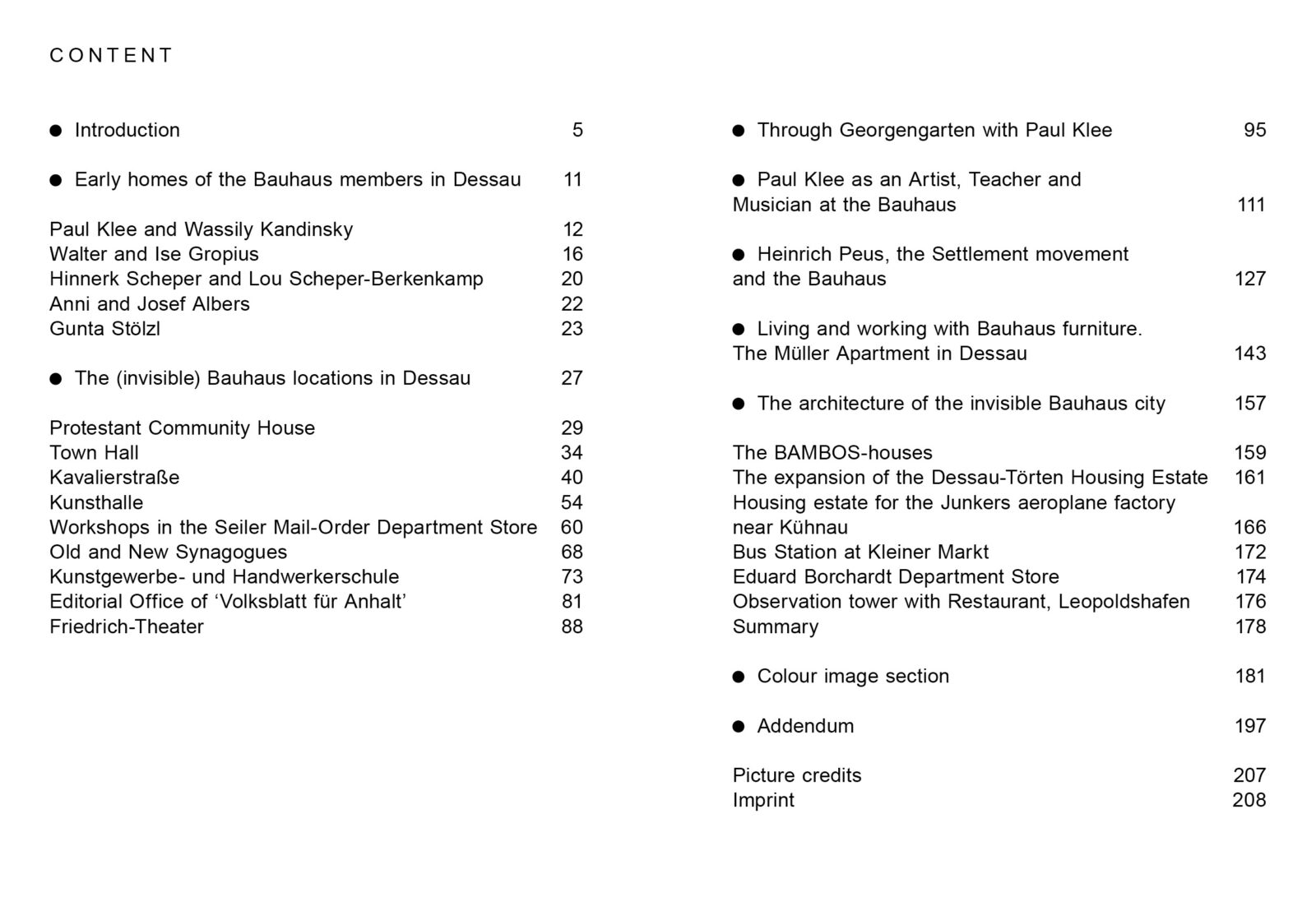
Contents page from Bauhaus Pocket Book 31, ‘The Invisible Bauhaus Dessau’
© Bauhaus Dessau Foundation, design concept: HORT, Berlin
© Bauhaus Dessau Foundation, design concept: HORT, Berlin
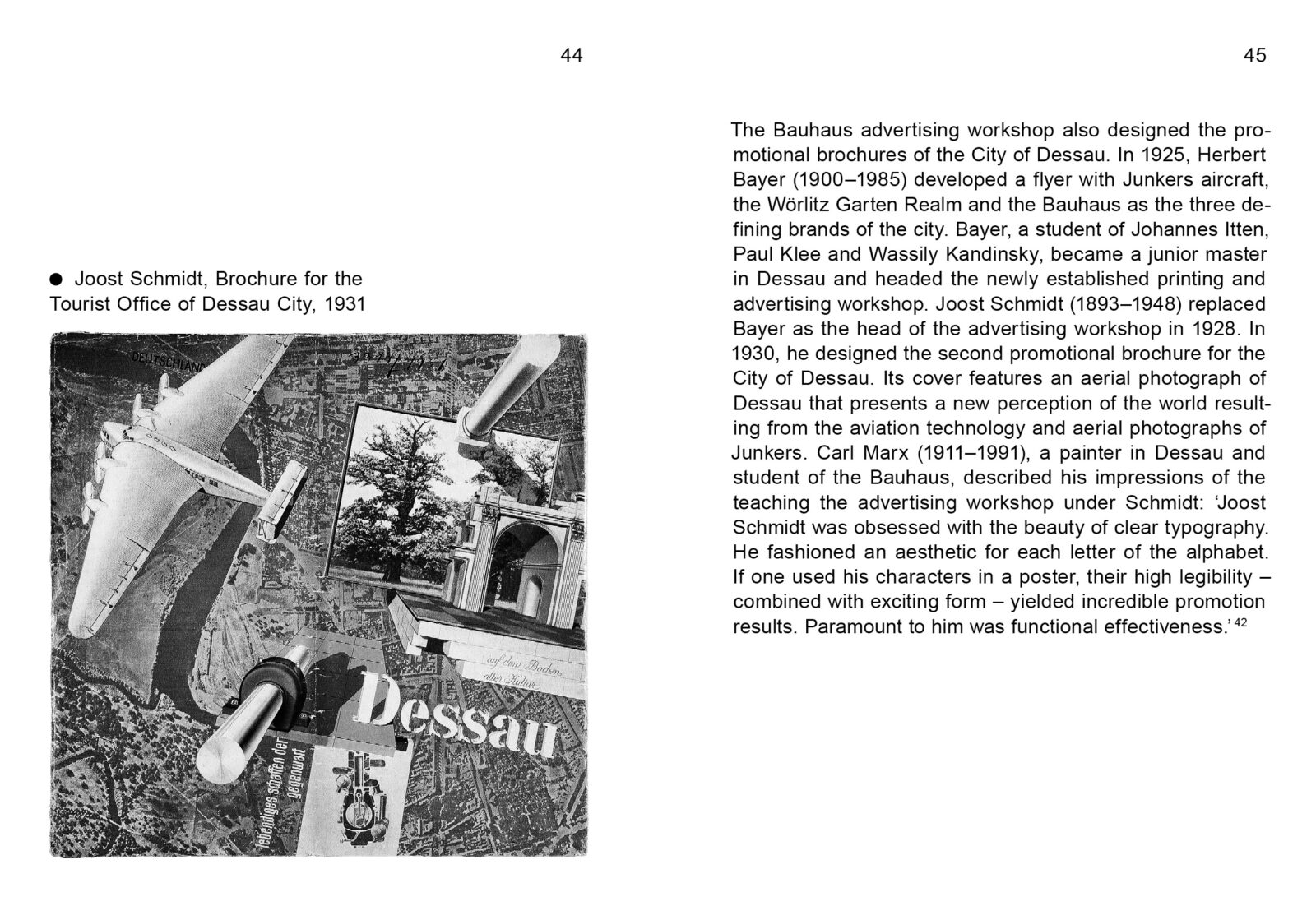
Contents page from Bauhaus Pocket Book 31, ‘The Invisible Bauhaus Dessau’
© Bauhaus Dessau Foundation, design concept: HORT, Berlin
© Bauhaus Dessau Foundation, design concept: HORT, Berlin
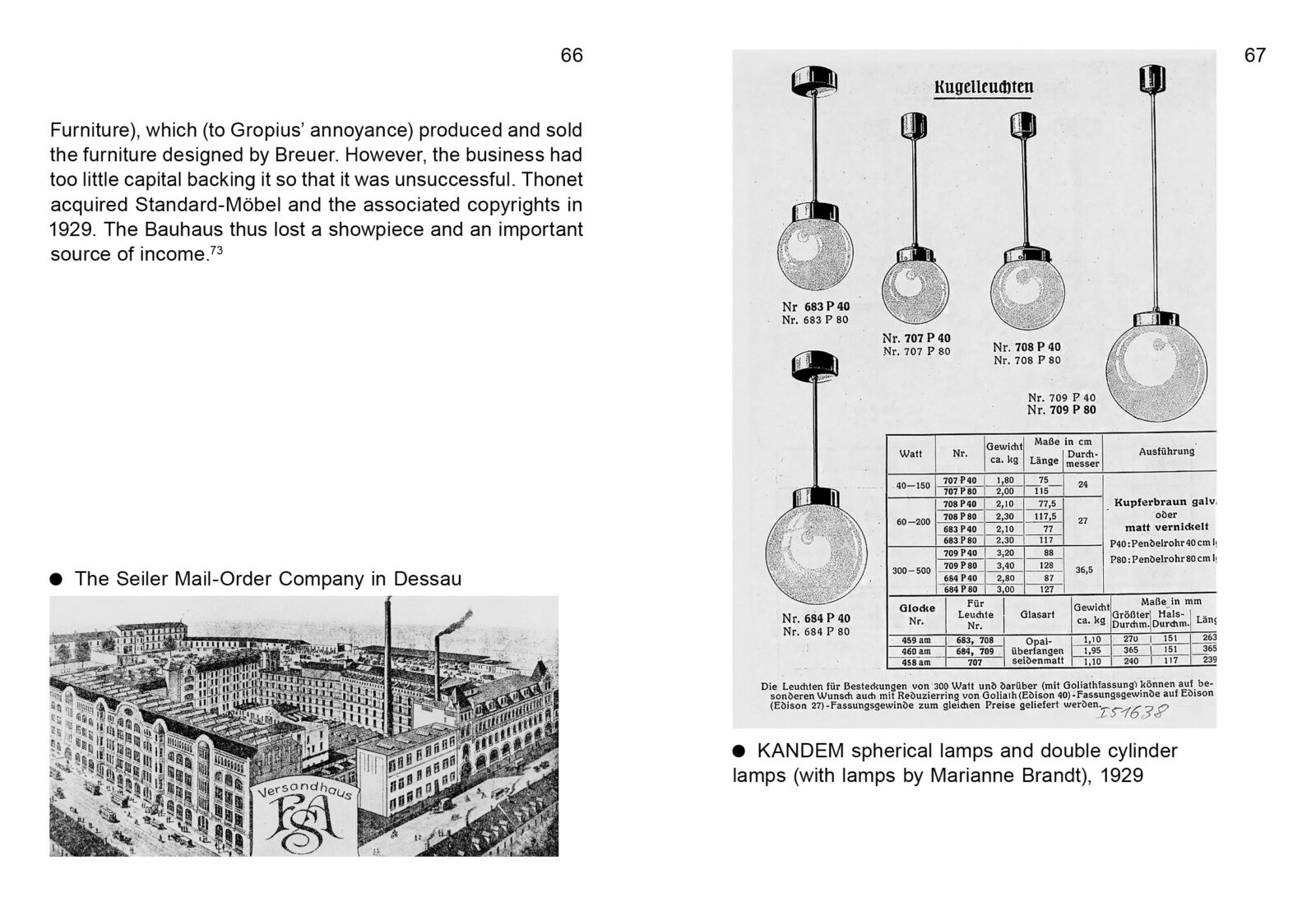
Contents page from Bauhaus Pocket Book 31, ‘The Invisible Bauhaus Dessau’
© Bauhaus Dessau Foundation, design concept: HORT, Berlin
© Bauhaus Dessau Foundation, design concept: HORT, Berlin
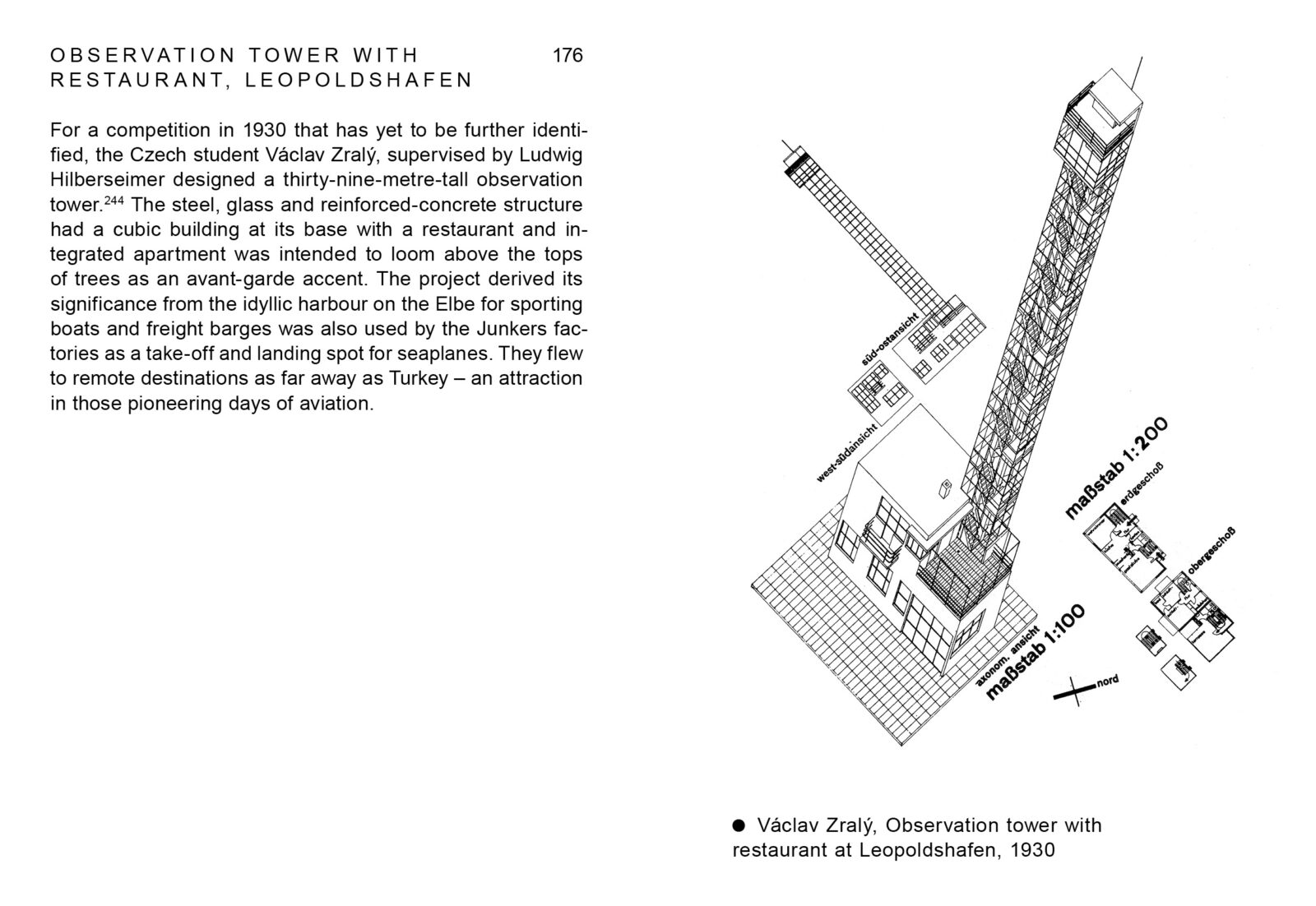
Contents page from Bauhaus Pocket Book 31, ‘The Invisible Bauhaus Dessau’
© Bauhaus Dessau Foundation, design concept: HORT, Berlin
© Bauhaus Dessau Foundation, design concept: HORT, Berlin
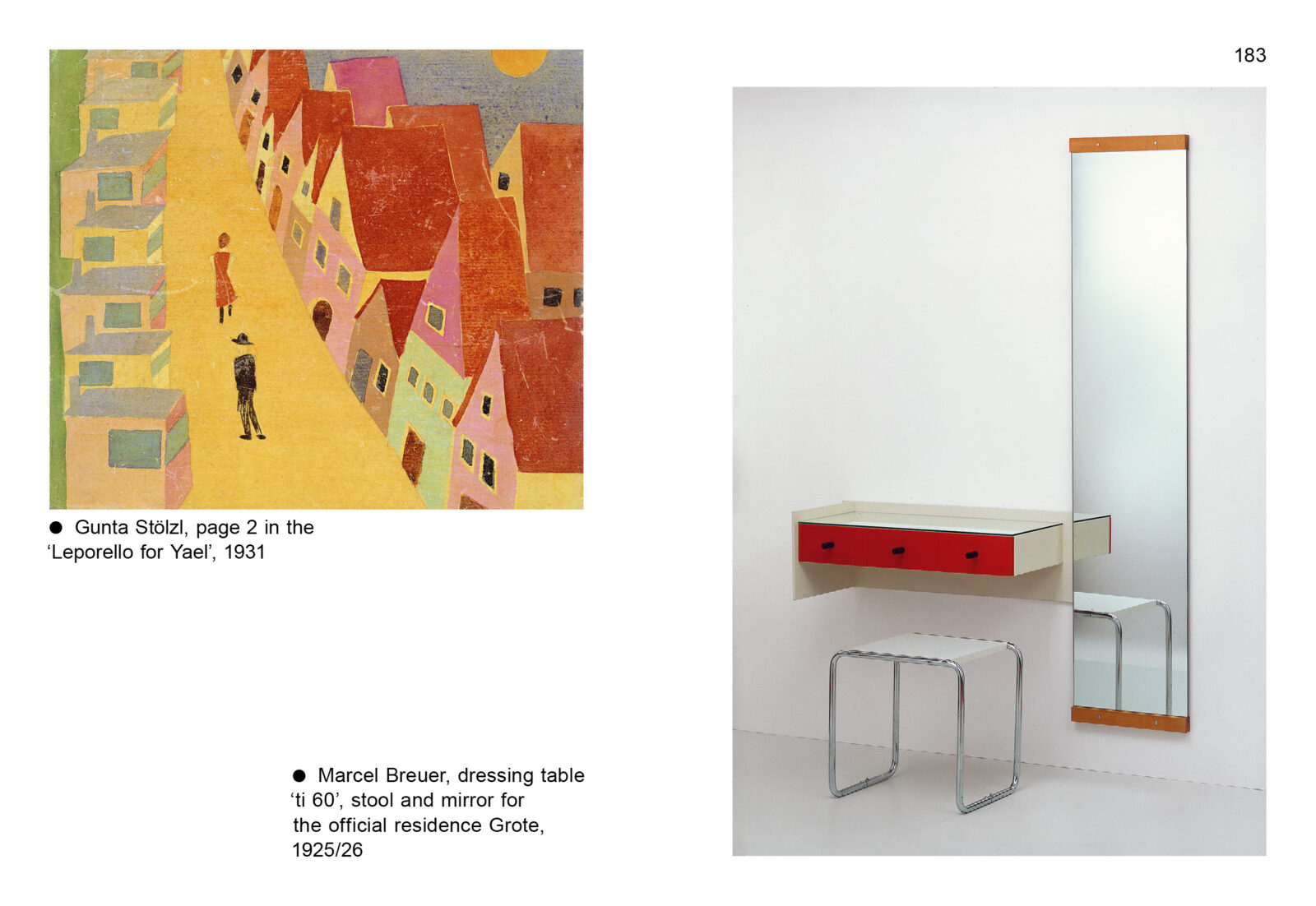
Contents page from Bauhaus Pocket Book 31, ‘The Invisible Bauhaus Dessau’
© Bauhaus Dessau Foundation, design concept: HORT, Berlin
© Bauhaus Dessau Foundation, design concept: HORT, Berlin